

Introduction
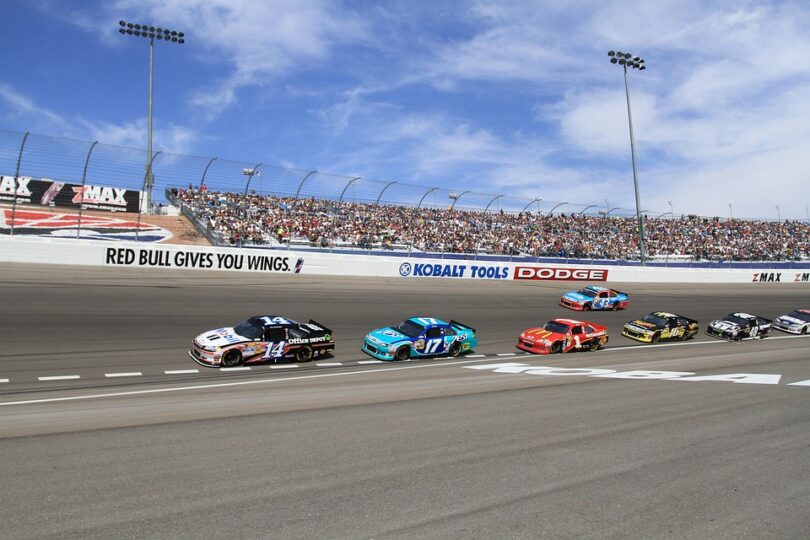
NASCAR, the National Association for Stock Car Auto Racing, has undergone a remarkable transformation since its inception in the late 1940s. Beginning as an informal gathering of racing enthusiasts, it has evolved into one of the most popular sports in America and a globally recognized brand. This article explores NASCAR’s journey from humble beginnings to becoming a multi-billion dollar entity, along with the technological advancements, cultural impact, and future endeavors that accompany its evolution.
The Humble Beginnings
The roots of NASCAR trace back to the moonshine runners of the Prohibition era, who modified their cars to evade law enforcement. The first official NASCAR race was held in 1948 at the Charlotte Motor Speedway. With a focus on stock cars—vehicles that were originally available for purchase by the public—NASCAR quickly established rules and regulations that would standardize the racing experience.
Growth in Popularity
In the 1950s and 1960s, NASCAR began to gain significant traction. Events like the Daytona 500 attracted fans nationwide, bolstered by the growing media coverage. During this period, the likes of legendary drivers such as Richard Petty, Dale Earnhardt, and Bobby Allison emerged, further elevating the sport’s status.
Technological Advancements
The evolution of NASCAR would not be complete without acknowledging the technological advancements that transformed the vehicles on the race track. From the introduction of fuel-injected engines in the 1960s to the latest advancements in aerodynamics and safety features, technology has played a crucial role in shaping the sport. Modern cars are now equipped with advanced telemetry systems, allowing teams to analyze data in real-time for better performance.
Global Expansion
As NASCAR matured, its horizon expanded beyond domestic borders. The introduction of the NASCAR Whelen Euro Series and collaborations with international motorsport events signaled NASCAR’s ambition to become a global phenomenon. Racing events are now held in various countries, engaging a broader audience and fostering international partnerships.
Cultural Impact
NASCAR’s influence is not confined to the racetrack. The sport has made significant cultural inroads, particularly in the Southern United States, where it has become a way of life for many fans. Tailgating, fan festivals, and family-oriented events have expanded NASCAR’s reach, making it a community activity that transcends the act of racing. Concerts, merchandise, and social media engagement further connect fans to their favorite teams and drivers, making NASCAR a cultural phenomenon.
Challenges and Controversies
Despite its success, NASCAR has faced challenges, including controversies surrounding diversity and inclusivity. In recent years, the organization has made concerted efforts to broaden its appeal, welcoming fans from various backgrounds. Initiatives focused on community outreach and engagement have been introduced to attract a more diverse fan base.
The Future of NASCAR
As NASCAR looks to the future, it continues to innovate and adapt. The advent of electric racing vehicles and sustainable practices is on the horizon, aimed at attracting a younger generation of fans who are environmentally conscious. NASCAR’s commitment to sustainability and inclusion will play a crucial role in its next chapter.
Conclusion
From its grassroots beginnings to becoming a global icon of motorsport, NASCAR’s evolution is a testament to the sport’s enduring appeal. With a rich history and promising future, NASCAR is poised to captivate fans for generations to come. As it continues to innovate and break boundaries, the relationship between technology, culture, and racing will undoubtedly shape its trajectory in the ever-evolving world of motorsport.
FAQs
1. What does NASCAR stand for?
NASCAR stands for the National Association for Stock Car Auto Racing.
2. When was NASCAR founded?
NASCAR was founded in 1948.
3. Who is the most successful NASCAR driver?
Richard Petty, Dale Earnhardt, and Jimmie Johnson are often cited as the most successful drivers in NASCAR history, with seven championships each.
4. How many races are in a typical NASCAR season?
A typical NASCAR season consists of around 36 points races, culminating in the NASCAR Cup Series playoffs.
5. What are some technological advancements in NASCAR?
Technological advancements in NASCAR include improved safety features, fuel injection, and in-car telemetry systems, which allow teams to analyze performance in real time.