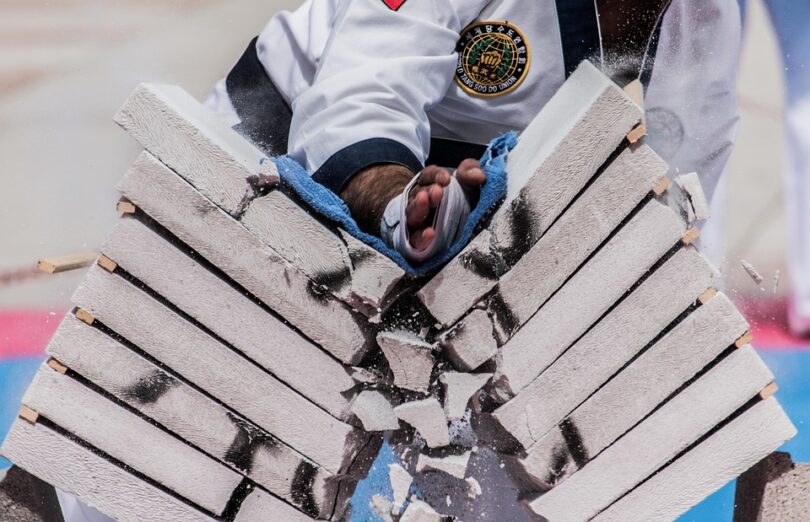


Martial arts have a rich and intricate history that spans thousands of years, developing from ancient combat techniques into modern disciplines that celebrate both physical prowess and philosophical growth. This evolution not only reflects the changes in society and culture but also highlights the adaptability and resilience of these practices.
Ancient Origins
The roots of martial arts can be traced back to prehistoric times, where early humans engaged in combat as a means of survival. These primitive fighting techniques laid the groundwork for more structured forms of combat. Ancient civilizations such as China, India, Greece, and Japan began to codify their martial arts, as evidenced by historical texts and artifacts.
In China, martial arts began evolving significantly around 500 BC, with the emergence of various styles influenced by philosophical teachings like Confucianism and Taoism. The concept of balance, harmony, and respect for nature played a crucial role in shaping these early martial systems.
The Influence of Philosophy
One of the most notable influences on martial arts was the integration of philosophical thought, particularly in East Asian traditions. In India, the ancient practice of Kalaripayattu emerged, combining physical discipline with spiritual and philosophical teachings. Similarly, Chinese martial arts are deeply intertwined with Taoist and Buddhist philosophies, emphasizing mental and spiritual development alongside physical skill.
In Japan, the development of martial arts during the Samurai era introduced a highly structured approach to combat, focused on bushido or the “way of the warrior.” This period saw the rise of disciplines such as Kendo, Judo, and Aikido, where the philosophy of honor, discipline, and self-improvement was paramount.
Martial Arts in the Modern Era
As societies evolved, so too did martial arts. The 19th and 20th centuries witnessed a resurgence and globalization of martial arts, largely influenced by western interest and the spread of information. Practices such as karate, judo, and taekwondo began to gain international popularity, leading to the establishment of formal competitions and organizations.
- Karate: Originating from Okinawa, Japan, karate combines striking techniques with a strong emphasis on mental training and respect.
- Judo: Developed by Jigoro Kano in the late 19th century, judo focuses on throws and grappling, emphasizing the principle of using an opponent’s force against them.
- Taekwondo: This Korean martial art emphasizes high, fast kicks and jumping kicks, reflecting the evolution of traditional foot-fighting techniques.
Martial Arts in Contemporary Society
Today, martial arts have transcended their combative origins; they are now practiced for fitness, self-defense, and personal development. The rise of mixed martial arts (MMA) has further popularized the genre, blending techniques from various disciplines and elevating martial arts into a mainstream sport.
Furthermore, martial arts are increasingly recognized for their mental and physical health benefits, including improved discipline, focus, and physical fitness. Classes cater to all ages, promoting a sense of community, confidence, and empowerment.
Conclusion
The evolution of martial arts is a testament to human ingenuity and resilience. From ancient survival techniques to modern practices that promote physical well-being and mental discipline, martial arts serve as a reflection of cultural values and societal changes. As we look to the future, it is essential to preserve the rich traditions while embracing the innovation that keeps these practices alive and relevant.
FAQs
1. What is the oldest form of martial arts?
The oldest form of martial arts is believed to be Kalaripayattu, which originated in India around 3,000 years ago.
2. What are the benefits of practicing martial arts?
Practicing martial arts can improve physical fitness, build self-discipline, enhance mental clarity, and provide self-defense skills.
3. Can anyone learn martial arts?
Yes, martial arts can be practiced by individuals of all ages and fitness levels, with many classes designed specifically for beginners.
4. How has martial arts influenced popular culture?
Martial arts have significantly influenced popular culture through films, television shows, and books, showcasing their techniques and philosophies to a global audience.
5. Is Mixed Martial Arts (MMA) considered a traditional martial art?
While MMA incorporates techniques from various traditional martial arts, it is a modern sport that emphasizes competition and holistic training.