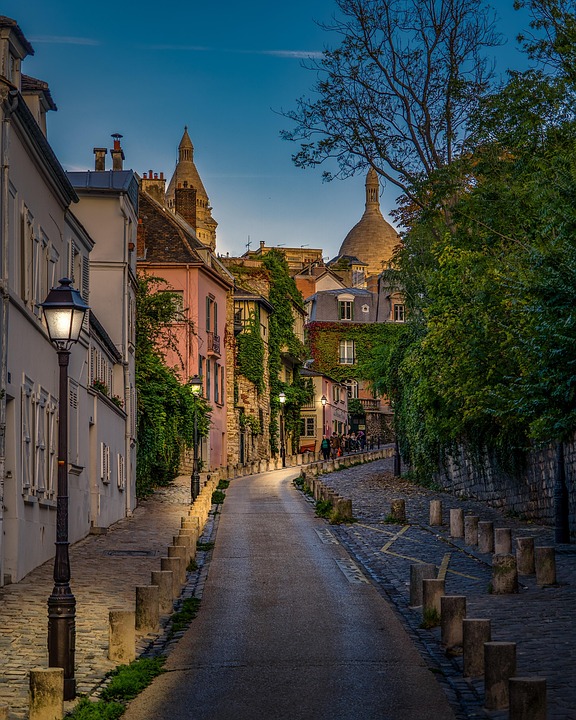


French cinema has been at the forefront of film innovation since its inception in the late 1890s. From silent films, which laid the groundwork for visual storytelling, to the modern masterpieces of today, French cinema reflects cultural, social, and technological changes over time.
<h2>The Silent Era (1895 - 1929)</h2>
<p>The roots of French cinema can be traced back to the Lumière brothers, Auguste and Louis, who invented the Cinématographe in 1895. This device allowed for the projection of moving images, leading to the first public screening of films in Paris.</p>
<p>During this period, filmmakers like Georges Méliès emerged, using cinematic techniques to tell fantastical stories. His film <em>A Trip to the Moon</em> (1902) is one of the earliest science fiction films, showcasing innovative special effects and imaginative narratives.</p>
<p>In stark contrast to Méliès’ fantasy genre, filmmakers like Louis Feuillade produced serial films, the most famous being <em>Les Vampires</em> (1915-1916). This series captivated audiences and set the stage for future cinematic storytelling.</p>
<h2>The Rise of Sound and the Poetic Realism (1930s)</h2>
<p>The transition to sound in the 1930s revolutionized cinema, with French films embracing this new technology. Movies like <em>La Chanson de l'Adieu</em> (1930) showcased how sound could enhance storytelling.</p>
<p>During this decade, the movement known as Poetic Realism gained traction, combining lyrical narrative styles with themes of social realism. Key directors included Jean Renoir, known for films such as <em>La Grande Illusion</em> (1937) and <em>La Règle du Jeu</em> (1939), which reflected the complexities of human relationships and societal issues in pre-war France.</p>
<h2>The New Wave (1950s - 1960s)</h2>
<p>The 1950s brought about a radical shift in French cinema with the emergence of the Nouvelle Vague (New Wave) movement. This era saw filmmakers like François Truffaut and Jean-Luc Godard challenging conventional storytelling methods.</p>
<p>In <em>À bout de souffle</em> (1960), Godard's innovative use of jump cuts and improvisational dialogue redefined cinematic techniques. This period was characterized by a blend of personal expression and a rejection of established norms, often influenced by the sociopolitical climate of post-war France.</p>
<p>These filmmakers explored themes of love, existentialism, and the human condition, all while experimenting with narrative structures. Their movies became essential references for future generations of filmmakers worldwide.</p>
<h2Modern French Cinema (1970s - Present)</h2>
<p>Following the New Wave, French cinema continued to evolve, exploring various genres and narratives. The 1970s and 1980s saw success with auteurs like Louis Malle and Claude Chabrol, who drew on elements of morality and thriller genres.</p>
<p>In the 1990s and 2000s, the emergence of new talents such as Luc Besson (*Léon: The Professional*) and Pierre Morel (*Taken*) introduced international audiences to French action cinema. Besson’s films often featured strong female protagonists, showcasing the versatility of French cinema.</p>
<p>The 21st century has been marked by a resurgence of high-quality French productions, such as <em>Amélie</em> (2001) and <em>The Artist</em> (2011). Films like these combine visual beauty with nuanced storytelling, celebrating the artistic heritage and innovative spirit of French cinema.</p>
<h2>Conclusion</h2>
<p>The evolution of French cinema mirrors the cultural and technological transformations that have occurred over the decades. From the silent masterpieces of the early 1900s to the groundbreaking New Wave and contemporary films that continue to push boundaries, French cinema remains a vital pillar of global filmmaking. As it continues to evolve, the influence of French cinema on the world can be felt through its artistic innovation and storytelling mastery.</p>
<h2>FAQs</h2>
<h3>1. What was the first French film?</h3>
<p>The first French film is generally considered to be <em>La Sortie de l'Usine Lumière à Lyon</em>, released in 1895 by the Lumière brothers.</p>
<h3>2. What is the French New Wave?</h3>
<p>The French New Wave (Nouvelle Vague) was a film movement that emerged in the late 1950s, characterized by a departure from traditional filmmaking conventions.</p>
<h3>3. What are some iconic French films?</h3>
<p>Aside from the New Wave classics, iconic French films include <em>La Haine</em>, <em>Amélie</em>, and <em>The Intouchables</em>.</p>
<h3>4. How has technology influenced French cinema?</h3>
<p>Technological advancements have significantly influenced editing, sound, and special effects, allowing French filmmakers to experiment and innovate continuously.</p>
<h3>5. Are there any prominent contemporary French directors?</h3>
<p>Yes! Contemporary directors like Jacques Audiard, Céline Sciamma, and Alice Winocour have garnered international acclaim for their work.</p>
<footer>
<p>© 2023 The Evolution of French Cinema. All rights reserved.</p>
</footer>