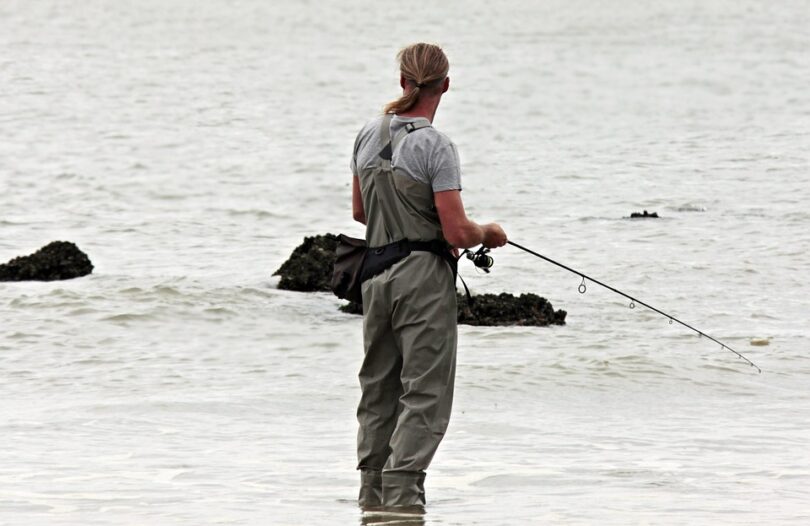


Fishing has always been more than just a means of sustenance; it has evolved into a recreational activity and a competitive sport enjoyed by millions worldwide. This article delves into the fascinating journey of fishing, tracing its roots from ancient traditions to modern-day competitions.
1. Historical Context of Fishing
The history of fishing dates back to prehistoric times, where early humans relied on fishing to supplement their diets. Evidence of fishing dates back over 40,000 years, with early techniques involving simple hand-catching and the use of rudimentary tools.
1.1 Ancient Techniques
In ancient civilizations, fishing techniques began to diversify:
- Ancient Egypt: Fishermen utilized nets and traps along the Nile River.
- Roman Empire: Fishing became a more organized practice, with methods like fish farming emerging.
- Indigenous Cultures: Various indigenous groups developed unique fishing techniques that were intertwined with their cultural beliefs and practices.
2. The Birth of Recreational Fishing
As societies progressed, fishing transitioned from a necessity to a leisure activity. The 17th century marked a significant turning point, particularly in Europe.
2.1 Developments in Fishing Equipment
The invention of the fishing rod in the 15th century changed the game. By the 18th century, specialized tackle such as reels and hooks became prevalent, allowing for more sophisticated fishing methods.
2.2 Fishing Literature
The publication of various fishing literature, such as Izaak Walton’s “The Compleat Angler,” popularized fishing as a recreational pursuit. It provided insights into fly fishing, a technique that was rapidly gaining attention.
3. The Rise of Competitive Fishing
By the late 19th and early 20th centuries, fishing took on a new dimension as competitive sport. Organized competitions emerged, catering to anglers seeking not just relaxation but also a challenge.
3.1 Formation of Fishing Clubs
Fishing clubs began to form, with members participating in competitions. The first recorded fishing contest was held in 1861 in England, attracting numerous anglers. Such events helped establish rules and regulations governing competitive fishing.
3.2 Introduction of Tournaments
By the mid-20th century, fishing tournaments became commonplace. The format varied—some focused on the heaviest catch, while others emphasized catch-and-release techniques, promoting conservation. Tournaments like the Bassmaster Classic began to draw spectators, transforming fishing into a spectator sport.
4. The Modern Era of Fishing Sports
Today, fishing is more than just a hobby; it is a global phenomenon. With advancements in technology, fishing has also evolved, giving rise to modern-day fishing sports.
4.1 Technological Advances
Modern equipment has transformed fishing techniques:
- Smartphone Apps: Applications now help anglers locate fish, identify species, and track weather conditions.
- GPS and Sonar Technology: These tools have allowed anglers to find prime fishing locations with remarkable precision.
- High-Tech Gear: Innovations in fishing rods, reels, and lines have enhanced performance and decreased environmental impact.
4.2 The Influence of Social Media
Today’s anglers share their experiences through vibrant fishing communities online. Social media platforms have played an integral role in building awareness and excitement around fishing sports, showcasing exceptional catches and techniques.
4.3 Conservation Efforts
As competitive fishing has grown, so has awareness of conservation. Many tournaments now promote sustainable practices, highlighting the importance of preserving habitats and protecting fish populations for future generations.
5. Conclusion
The evolution of fishing sports signifies a remarkable transformation from mere survival to a competitive and recreational activity cherished globally. As angling continues to evolve through technological advancements and a greater emphasis on conservation, the future of fishing sports looks promising. Anglers today are not just participants but also stewards of the environment, ensuring that fishing’s rich heritage is preserved for future generations.
6. FAQs
6.1 What types of fishing are considered competitive?
Competitive fishing includes various formats such as bass fishing tournaments, fly fishing competitions, and ice fishing contests.
6.2 How can one get involved in fishing sports?
Getting involved typically requires joining local fishing clubs, participating in community events, and acquiring the necessary fishing licenses and equipment.
6.3 Are there age restrictions for competitive fishing?
Most fishing competitions accommodate all age groups, often having categories specifically for youth and juniors.
6.4 How do fishing tournaments promote conservation?
Many tournaments encourage catch-and-release practices, introduce limits on catches, and fund conservation efforts focused on aquatic ecosystems.