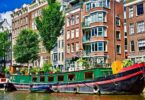
The Netherlands is renowned for its picturesque landscapes, and among its most captivating features are the elaborate canal systems that weave through cities and countryside. These enchanting waterways are not merely scenic; they embody the rich history and dynamic culture of the nation. In this article, we will explore the historical significance, architectural landscapes, and lasting charm of the Dutch canals, inviting readers to embark on a virtual journey through time.
A Brief Historical Overview
The origins of the Dutch canals date back to the Middle Ages when they were first constructed as a means of defense and drainage. The Low Countries, known for their low-lying topography, faced challenges with water management. Canals were developed primarily to move water away from cities, protect farmland, and facilitate trade.
During the 17th century, known as the Dutch Golden Age, the canal systems began to flourish. Cities like Amsterdam elaborated their networks, creating intricate designs that served both functional and aesthetic purposes. The built environment evolved, with grand merchant houses lining the banks, showcasing the wealth generated from maritime trade.
The Engineering Marvels
The canals of the Netherlands are not only a testament to historical ingenuity; they also reflect remarkable engineering. The intricate designs are meticulously planned, with a series of waterways, bridges, and quays working harmoniously. Key elements such as locks, sluices, and dikes are strategically placed to maintain water levels and allow for smooth navigation.
Amsterdam’s famous canal ring (Grachtengordel), constructed in the 17th century, is a UNESCO World Heritage site. It features three major canals: Herengracht, Prinsengracht, and Keizersgracht, designed in a semi-circle. The layout provides both beauty and functionality, allowing merchants to navigate through the city with ease.
Architectural Significance
The architectural styles that line the canals are as varied as the history they encompass. The iconic narrow houses of Amsterdam, with their gabled facades, serve multiple functions: they reflect the wealth of the owners and were designed to accommodate the narrow streets. These buildings often feature large windows, providing light and ventilation to the interiors.
Other cities, such as Utrecht and Leiden, showcase different architectural styles that illustrate local histories and traditions. In Utrecht, for example, the wharves along the canals feature unique sunken storefronts, allowing easy access to the water, transforming them into bustling trade spots.
Canal Tours: Exploring the Waterways
Embarking on a canal tour is one of the most intimate ways to experience the essence of Dutch cities. Tour operators offer a range of options, from intimate boat trips to larger cruise experiences. Travelers can witness the architecture up close, glide past historic landmarks, and hear the stories behind them.
Even in the off-season, many canals transform into a winter wonderland, especially during chilly months when the canals freeze over. Ice skating becomes a popular pastime, allowing locals and visitors alike to interact in a unique way amid the stunning backdrop of historical architecture.
The Modern-day Importance of Canals
The canals are still vital to the Dutch way of life today. Beyond their touristic allure, they continue to serve as essential waterways for transportation, freight, and recreation. Sustainable urban planning initiatives are continually being implemented to preserve these historical treasures while adapting to modern needs.
Canals also play a crucial role in local ecology and biodiversity. Efforts to maintain clean waterways contribute to the overall health of the environment and reflect the Dutch commitment to innovation in water management.
Conclusion
The enchanting canals of the Netherlands stand as a vibrant testament to the country’s history, culture, and architectural ingenuity. They offer a unique lens through which to understand the evolution of urban landscapes and the role of water in shaping civilizations. Whether gliding quietly along the waterway, admiring the gabled facades, or learning about the stories embedded in the city’s fabric, the canals weave a narrative that continues to inspire and captivate all who visit. As time marches on, these waterways will remain a symbol of the Dutch spirit—innovative, resourceful, and enchanting.
FAQs
Q: When is the best time to explore the canals of the Netherlands?
A: The best time to visit is during spring and summer (April to September) when the weather is pleasant, and flowers are in bloom. However, winter offers a unique charm as well, particularly for ice skating.
Q: Are the canals suitable for boating and water activities?
A: Yes, the canals are navigable and popular for various water activities, including kayaking and paddle boarding. Boat rentals and guided tours are widely available.
Q: Is there a specific etiquette to follow while on the canals?
A: Yes, it is important to be respectful of the local traffic (both boats and cyclists) and to always follow the signs regarding speed limits and navigation rules.
Q: How do the Dutch manage the water levels in the canals?
A: Through a sophisticated network of locks, sluices, and dikes, the Dutch manage water levels effectively to prevent flooding and ensure smooth transportation.
Q: What are some must-see landmarks along the canals?
A: Key landmarks include the Anne Frank House, the Rijksmuseum, and the twenty-seven bridges at Reguliersgracht in Amsterdam, as well as the Dom Tower in Utrecht.