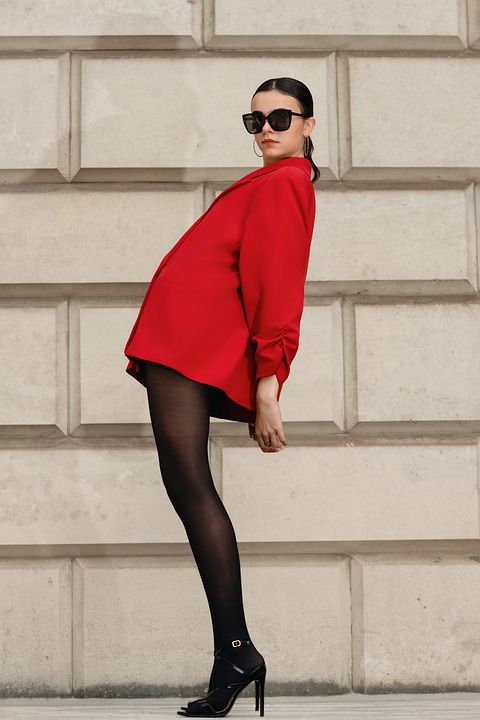


The concept of power dressing transcends mere clothing choices; it is a strategic approach to communication and influence through style. The way we dress can significantly impact how we are perceived in social and professional environments. This article explores the elements of power dressing, its psychological effects, and practical tips to master this art form.
Understanding Power Dressing
Power dressing emerged in the 1980s, championed by career-oriented individuals who sought to project authority and competence. It involves selecting attire that conveys confidence, professionalism, and influence. Power dressing is not confined to any specific gender; both men and women can use fashion as a tool to command respect.
The Psychological Impact of Clothing
Our clothing choices affect not only how others perceive us but also how we perceive ourselves. Research has shown that wearing formal attire can enhance abstract thinking and empower individuals to take charge. This phenomenon, known as “enclothed cognition,” illustrates how clothing can shape our mental state and self-image. When you look good, you feel good, and this confidence can translate into better performance in both personal and professional settings.
Key Elements of Power Dressing
1. Tailoring
Fit is crucial when it comes to power dressing. Clothes that are well-tailored project an image of professionalism. Ensure your garments fit your body shape and size accurately. Custom-tailored outfits can make a significant difference in the way you carry yourself and how others perceive your competence.
2. Color Psychology
Colors can evoke emotions and convey messages. For instance, blue is often associated with trust and stability, while red signifies power and passion. Understanding the psychological effects of colors can help you make informed choices about what to wear. In a boardroom, a navy suit may project confidence, while a red tie might assert authority.
3. Quality Fabrics
Investing in high-quality fabrics is essential for power dressing. Natural materials like wool, cotton, and silk not only look better but also last longer. When clothing is made from quality fabric, it drapes better and enhances your appearance, adding to your commanding presence.
4. Accessories and Footwear
Accessories play a pivotal role in finishing a power-dressing look. A well-chosen watch, a leather briefcase, or tasteful jewelry can enhance your outfit without overpowering it. Additionally, the right pair of shoes can make or break your look. Opt for polished, professional footwear that complements your attire and provides comfort, especially if you’ll be on your feet throughout the day.
5. Grooming and Personal Hygiene
No outfit is complete without proper grooming. A neat hairstyle, well-maintained nails, and subtle makeup all contribute to a polished look. Personal hygiene is equally important; the way you carry yourself and your attention to detail can amplify the overall impact of your outfit.
Developing Your Personal Style
Finding your unique style within the framework of power dressing is crucial. Take inspiration from others, but ensure your choices resonate with your personality and comfort. Create a wardrobe that reflects your professional goals while allowing you to remain authentic. Consider the following tips:
- Assess Your Wardrobe: Regularly review your clothing to determine what represents your best self.
- Create a Style Guide: Develop guidelines that align with your work environment and personal taste.
- Stay Updated: Fashion is ever-evolving; keep up with trends that can enhance your power-dressing arsenal, but don’t feel compelled to follow every trend.
Power Dressing in the Digital Age
In an increasingly digital world, power dressing also extends to virtual environments. As video calls become a staple in professional interactions, the idea of dressing for respect transcends physical meetings. Crafting a polished appearance on camera is just as important. Ensure your attire, lighting, and background project professionalism during online meetings.
Conclusion
The art of power dressing is more than just putting on clothes; it’s about projecting confidence and professionalism through your appearance. By understanding the psychological impact of what you wear and honing your personal style, you can command respect in any situation. Whether you’re heading to a corporate meeting or a casual lunch, your choice of attire speaks volumes about your self-worth and ambition. Take the time to invest in your wardrobe, as it is a powerful tool that can significantly influence both your personal and professional life.
Frequently Asked Questions (FAQs)
1. What is power dressing?
Power dressing refers to a style of clothing that helps individuals project authority, confidence, and professionalism, especially in a work environment.
2. How does clothing affect perception?
Clothing can dramatically shape how people perceive you. Well-chosen attire can enhance your confidence and influence others’ opinions about your competence.
3. What should I wear to a job interview to make a good impression?
Opt for professional, tailored attire in neutral or solid colors. Complements should be minimal, focusing on looking polished and put together.
4. Can I incorporate personal style into power dressing?
Absolutely! Finding a balance between personal style and professional appearance is key. Choose pieces that resonate with your identity while adhering to the principles of power dressing.