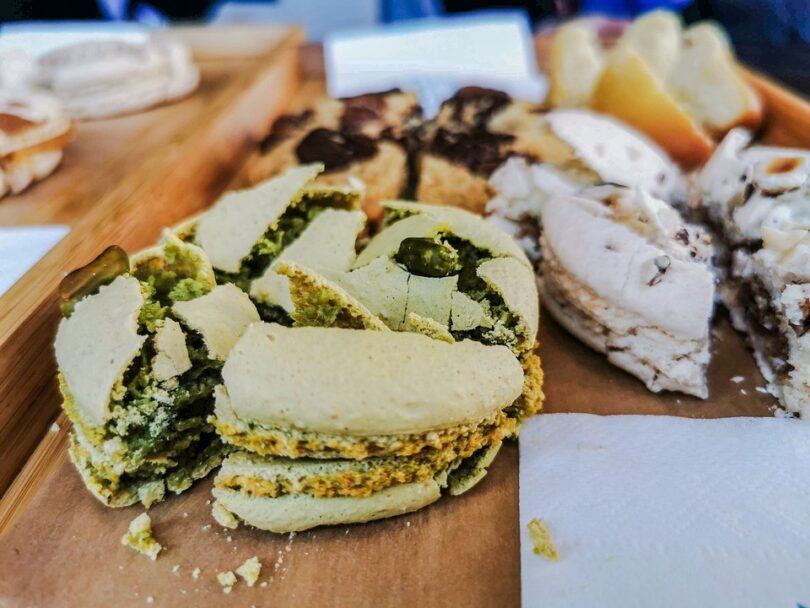


French pastry, an exquisite fusion of tradition, skill, and creativity, represents a hallmark of French culture. The art of pastry-making, or “pâtisserie,” is steeped in history and revered worldwide for its sophisticated techniques and delightful flavors. This article explores what makes French patisseries a cultural treasure, from the meticulous craftsmanship to the diverse array of pastries that celebrate the French love for art and cuisine.
A Rich History of Pâtisserie
The origins of French pastry can be traced back to the Middle Ages when the first forms of sweet baked goods were created. Initially, pastries were simple and rustic creations, often made with bread dough and filled with fruits and nuts. However, by the 16th century, techniques began to evolve, influenced by the Renaissance and the influx of sugar and spices from the East.
The introduction of puff pastry by the famous chef François Pierre La Varenne marked a turning point in the art of pastry-making. This technique laid the groundwork for modern French pastry, emphasizing flaky, rich textures. La Varenne’s cookbook, published in 1651, helped solidify the importance of pastry in French cuisine and set the stage for future chefs and patissiers.
Mastering the Techniques
The creation of French pastries requires precision and dedication. Techniques such as pâte à choux, crème pâtissière, and tempering chocolate are just a few examples of the skills necessary to produce these delectable treats. Each pastry is a labor of love, often taking hours or even days to perfect.
Pâte à Choux
Pâte à choux, or choux pastry, is the foundation for iconic desserts like éclairs and profiteroles. This light and airy dough is made from butter, water, flour, and eggs, which create a unique texture that puffs up beautifully when baked. Mastery of choux pastry is essential for any aspiring patissier.
Crème Pâtissière
Cream pastry, or crème pâtissière, is another cornerstone of French pastry. It’s a rich custard made with milk, sugar, and egg yolks, often flavored with vanilla. This luxurious cream is used to fill tarts, éclairs, and other pastries, providing a delightful contrast in texture and flavor.
Tempering Chocolate
Tempering chocolate is an art in itself. It requires heating and cooling chocolate to specific temperatures to stabilize it for coating or molding. This process produces shiny, snap-worthy chocolate perfect for decorating desserts, adding another layer of sophistication to French pastries.
The Culture of Pâtisserie
The significance of patisseries in French culture extends beyond exquisite flavors and presentation. Patisseries have become social hubs, where individuals gather not only to savor the delicacies but also to engage with the community. In cities like Paris, local patisseries are often a meeting point for friends, family, and even tourists seeking a taste of authentic French culture.
Furthermore, the French take immense pride in their culinary heritage. The “Baker’s and Pastry Chef’s Association” promotes traditional baking techniques and encourages innovation within the industry. Events such as the “Meilleur Ouvrier de France,” a prestigious competition for craftsmen in various fields, showcase the exceptional skills of patissiers and highlight the beauty of this culinary art.
Signature French Pastries
French pastry showcases a myriad of iconic creations, each telling a story of skill, tradition, and innovation. Some of the most notable include:
- Macarons: These delicate, meringue-based cookies filled with ganache or cream are renowned for their colorful appearance and delightful textures.
- Tarte Tatin: A caramelized upside-down apple tart that combines buttery pastry with sweet, tender fruit.
- Eclairs: Long, cream-filled pastries topped with glossy chocolate glaze, exemplifying the elegance of French pastry.
- Opera Cake: A multi-layered almond sponge cake with coffee and chocolate, celebrated for its intricate flavors and presentation.
Conclusion
The art of French pastry is a brilliant reflection of the rich cultural tapestry of France. It embodies a dedication to craft, a celebration of flavors, and an inherent love for beauty. Patisseries are not merely places to indulge in sweets; they are cultural landmarks that foster community and preserve a cherished culinary heritage. Whether it’s the swirling patterns of a mille-feuille or the vibrant colors of macarons, every pastry tells a story waiting to be enjoyed. As one savors these delightful treats, they partake in a cultural heritage that champions tradition, innovation, and the joy of sharing food.
FAQs
What is a patisserie?
A patisserie is a French bakery that specializes in pastries, cakes, and other baked goods, typically made with rich ingredients like butter and cream.
What makes French pastries unique?
French pastries are known for their precision and intricacy, requiring specialized techniques and high-quality ingredients that create uniquely flavorful and appealing desserts.
Can anyone learn the art of French pastry?
Yes! While mastering French pastry requires dedication and practice, many culinary schools and online courses offer training for aspiring patissiers of all skill levels.
Are French pastries healthy?
French pastries are typically rich in sugar and butter, making them indulgent treats rather than health foods. However, enjoying them in moderation is key to a balanced diet.