

In an age dominated by fast fashion, the resurgence of handmade clothing offers a refreshing alternative that celebrates individuality, sustainability, and creativity. Handmade clothing, often referred to as artisan or bespoke garments, emphasizes quality over quantity, making every piece a work of art. This article delves into the unique aspects of handmade clothing, its benefits, and the cultural significance it holds.
The Craftsmanship Behind Handmade Clothing
Creating handmade clothing requires skill, patience, and a deep understanding of the materials involved. Many artisans invest years honing their skills, whether through formal training or self-taught methods. From selecting the right fabric to mastering sewing techniques, the process is as intricate as the final product itself.
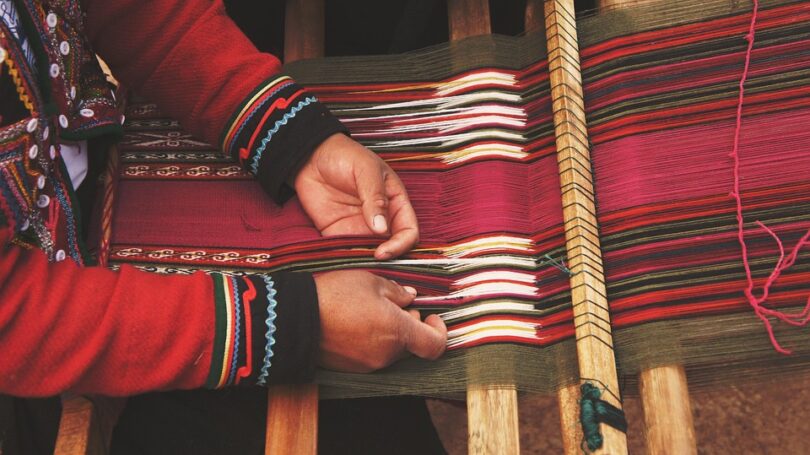
Unlike mass-produced garments, which emphasize efficiency, handmade clothing focuses on meticulous craftsmanship. Each stitch is executed with care, allowing the maker to imbue their work with personal touches, such as embroidery, unique cuts, or hand-painted designs. This level of attention to detail often results in clothing that tells a story—a narrative woven into the very fibers of the fabric.
The Benefits of Choosing Handmade Clothing
1. Quality and Durability
Handmade clothing is often crafted using higher-quality materials compared to mass-produced alternatives. Artisans typically select fabrics that not only feel good but also stand the test of time. The durability of these garments means that they can be cherished and passed down through generations, making them a sustainable choice in a throwaway culture.
2. Unique Designs
One of the most appealing aspects of handmade clothing is its uniqueness. Each piece is often one-of-a-kind, allowing wearers to express their personal style without conforming to mainstream trends. This individuality fosters a deeper connection between the wearer and the garment, as it reflects their personality and values.
3. Support for Local Artisans
Purchasing handmade clothing supports local artisans and small businesses, contributing to the economic health of communities. By choosing to invest in handmade, consumers can help preserve traditional crafts and empower artisans, ensuring that these age-old skills are passed down to future generations.
The Cultural Significance of Handmade Clothing
Handmade clothing is not just an aesthetic choice; it’s also a cultural statement. Many cultures around the world have rich traditions of textile arts, where clothing serves as a reflection of identity and heritage. From the intricate patterns of indigenous textiles to the sewing techniques of various regions, handmade clothing often carries cultural symbols and significances that connect the wearer to their roots.
Moreover, the process of creating handmade clothing can serve as a form of protest against the environmental and ethical implications of fast fashion. By embracing handmade garments, individuals can choose to take a stand for sustainability, fair labor practices, and environmental accountability.
How to Get Started with Handmade Clothing
If you’re interested in embracing handmade clothing, here are a few tips to get started:
- Research Local Artisans: Find local craft fairs, markets, or online platforms where artisans sell their handmade clothing.
- Learn Basic Sewing Skills: Consider taking a sewing class to understand the foundational techniques of garment-making.
- Choose Quality Fabrics: Familiarize yourself with different types of fabrics and their properties to make informed selections.
- Start Small: Begin by upcycling or customizing existing garments before diving into full-scale garment-making.
Conclusion
The art of handmade clothing is a celebration of creativity, individuality, and craftsmanship. In a world where mass production often prioritizes profit over passion, choosing handmade allows us to connect with the makers behind our clothes and appreciate the skill involved in their creation. By embracing handmade garments, we not only invest in unique and high-quality pieces but also support sustainable practices and local economies. Let us cherish the beauty of the craft and embrace the stories woven into every stitch.
FAQs
1. What materials are typically used in handmade clothing?
Artisans often use high-quality fabrics such as cotton, linen, silk, and wool. The choice of material depends on the type of garment being made and the desired aesthetic.
2. How can I find local artisans who create handmade clothing?
You can search for local craft fairs, farmers’ markets, or use social media platforms such as Instagram. Websites like Etsy also feature many artisans offering handmade clothing.
3. Is handmade clothing more expensive than mass-produced clothing?
Generally, handmade clothing can be more expensive due to the labor and quality of materials involved. However, the investment often pays off in terms of durability and uniqueness.
4. Can I commission a piece of clothing from an artisan?
Yes! Many artisans offer custom services where you can request specific designs, fabrics, or alterations according to your preferences.
5. How do I care for handmade clothing?
Caring for handmade clothing often depends on the type of fabric used. It’s best to read care labels and hand wash when necessary to preserve the garment’s quality.