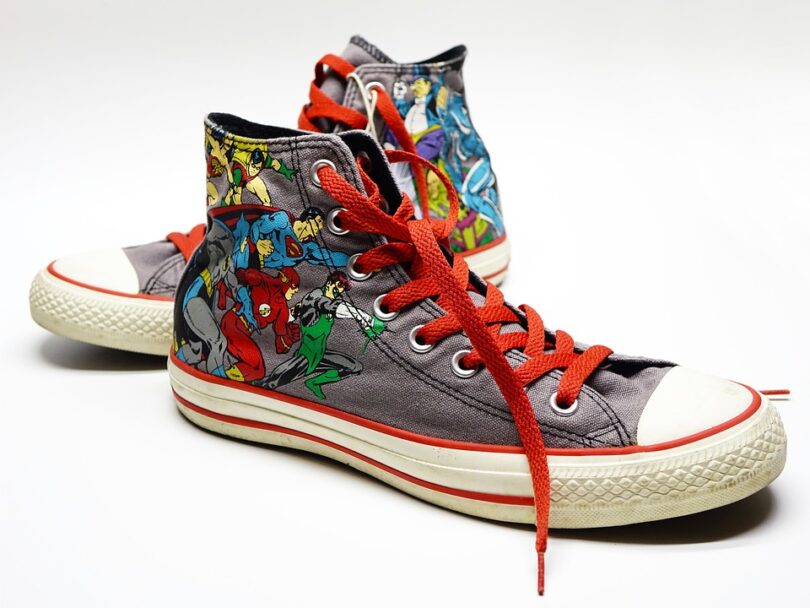


In a world driven by mass production and fast fashion, the charm of uniqueness stands tall. Limited edition fashion pieces have become highly sought after, appealing to a demographic that values exclusivity over abundance. The allure of wearing something rare drives desire, making consumers willing to invest in clothing that speaks to their individuality.
The Psychology Behind Limited Edition Fashion
Human psychology plays a significant role in the appeal of limited edition items. The principle of scarcity suggests that people place higher value on items that are less readily available. This idea is rooted in behavioral economics, where scarcity creates a sense of urgency and prompts consumers to act quickly before an item sells out.
- Fear of Missing Out (FOMO): In today’s social media landscape, consumers are constantly aware of what their peers own. The fear of missing out drives individuals to purchase limited edition pieces to maintain status or avoid regret.
- Identity Expression: Fashion is a medium of self-expression. Owning a unique piece allows individuals to showcase their personal style and differentiate themselves from the crowd.
- Social Status: Limited edition fashion often carries a perception of luxury and exclusivity, contributing to a sense of status among peers.
Branding and Marketing Strategies
Brands have harnessed the allure of uniqueness through clever marketing strategies. By positioning their limited edition items as exclusive or elite, they elevate consumer interest and desire.
- Collaborations: Fashion houses often collaborate with artists, celebrities, or influencers, creating pieces that are not only exclusive but also tell a story. Such partnerships amplify the desirability of the item.
- Exclusive Releases: Some brands create a buzz around upcoming releases by teasing their launches on social media. This strategy cultivates anticipation, ensuring that consumers are eager to purchase once items go live.
- Limited Availability: Brands may release a small quantity of an item worldwide, turning it into a collectible piece. The more limited the item, the higher the demand usually is.
The Role of Celebrity Endorsement
Celebrities significantly influence consumer behavior in fashion. When a well-known personality is seen wearing a limited edition piece, it often leads to increased demand. The following points illustrate this connection:
- Visibility: Celebrities have large followings, meaning that their fashion choices receive widespread coverage. A limited edition piece they wear can quickly become a trend.
- Social Proof: Consumers are more likely to invest in items that they see being embraced by others they admire.
- Brand Association: Collaborations with celebrities lend credibility to brands, making them more appealing to consumers.
Environmental and Ethical Considerations
Interestingly, the limited edition trend reflects a growing awareness of sustainable fashion. Consumers are increasingly seeking quality over quantity, leading to a demand for thoughtfully crafted pieces.
- Slow Fashion Movement: Limited editions often champion sustainable practices, as they focus on creating fewer, high-quality items that are ethically produced.
- Mindful Purchasing: Consumers are now encouraged to buy items that carry a story or environmental consciousness, creating a personal connection to the garment.
Conclusion
The allure of uniqueness in fashion is a complex interplay of psychology, branding, and social dynamics. Limited edition pieces offer consumers the chance to express their individuality, maintain social status, and join exclusive communities. While the market for fast fashion continues to dominate, the desire for distinctiveness reveals a shift towards mindful, unique purchasing. As consumers increasingly prioritize sustainability and ethical considerations, limited edition fashion will likely continue to flourish, leading to a more personalized and thoughtful approach to style.
FAQs
1. What is a limited edition fashion item?
A limited edition fashion item is a piece of clothing or accessory produced in a restricted quantity. These items are often released for a specific period or event, making them rare.
2. Why do people buy limited edition fashion?
People buy limited edition fashion for various reasons, including the desire for uniqueness, social status, identity expression, and the fear of missing out (FOMO).
3. How do brands market limited edition items?
Brands often use collaborations with celebrities, exclusive releases, and social media teasers to create buzz and anticipation for their limited edition items.
4. Are limited edition items more expensive?
Yes, limited edition items are often priced higher due to their rarity, the perception of luxury, and the quality of craftsmanship involved in their production.
5. How does sustainability play a role in limited edition fashion?
Many limited edition fashion items emphasize sustainable practices and ethical production, catering to consumers who are mindful of their environmental impact.