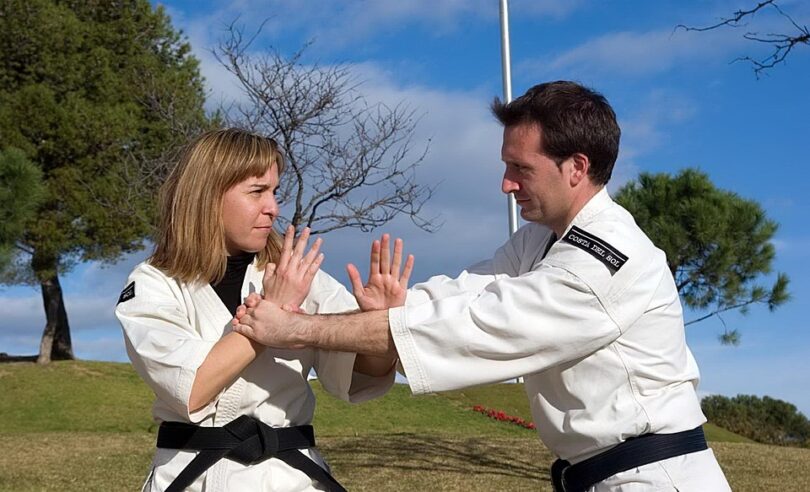
<h1>Self-Defense 101: Techniques Everyone Should Know</h1>
<p>Self-defense is a vital skill that can empower individuals and help them protect themselves in dangerous situations. While the best self-defense is often avoiding confrontation, knowing how to defend oneself can be crucial. This article will cover essential self-defense techniques that everyone should know, emphasize the importance of situational awareness, and provide tips on how to stay safe in various environments.</p>
<h2>Understanding the Concept of Self-Defense</h2>

<p>Self-defense encompasses various strategies and techniques designed to protect oneself from harm. Whether facing an aggressor or escaping a threatening situation, the goal of self-defense is to prevent injury and ensure safety.</p>
<h2>Key Principles of Self-Defense</h2>

<p>Before diving into specific techniques, it’s important to understand some key principles of self-defense:</p>

<ul>

    <li><strong>Awareness:</strong> Stay alert to your surroundings. Recognizing potential threats early can help you avoid dangerous situations.</li>

    <li><strong>De-escalation:</strong> Whenever possible, try to resolve conflicts without physical confrontation. Verbal communication can often diffuse tension.</li>

    <li><strong>Proportional Response:</strong> Your reaction should match the threat level. If you can escape, do so; physical techniques should be a last resort.</li>

</ul>
<h2>Essential Self-Defense Techniques</h2>

<h3>1. Basic Stances</h3>

<p>Adopting a defensive stance can prepare you to react if needed. Stand with your feet shoulder-width apart, knees slightly bent, and hands up to protect your face. This position allows you to respond to an attack while being balanced and mobile.</p>
<h3>2. Targeting Vulnerable Areas</h3>

<p>If you find yourself in a confrontation, targeting vulnerable areas of your attacker can buy you time to escape. Focus on:</p>

<ul>

    <li><strong>Eyes:</strong> A strong poke or jab can temporarily blind or disorient your attacker.</li>

    <li><strong>Throat:</strong> A quick strike to the throat can incapacitate someone momentarily.</li>

    <li><strong>Groin:</strong> A kick or strike to the groin can deter an attacker and allow you to flee.</li>

</ul>
<h3>3. Escaping Grabs</h3>

<p>If someone grabs your arm or wrist, use the principle of leverage. Rotate your wrist towards their thumb, which is the weakest point of their grip. This technique can help you break free and create distance between you and your attacker.</p>
<h3>4. Basic Strikes</h3>

<p>Learning a few basic strikes can be helpful:</p>

<ul>

    <li><strong>Palm Strike:</strong> Use the heel of your palm to strike an attacker’s nose or chin. This can effectively stun them.</li>

    <li><strong>Elbow Strike:</strong> Use your elbow to strike an attacker's face or body if they are close.</li>

    <li><strong>Knee Strike:</strong> A quick knee strike to the groin or abdomen can be very effective.</li>

</ul>
<h3>5. Learning to Fall</h3>

<p>In the event that you are pushed or knocked down, knowing how to fall properly can prevent injury. Tuck your chin to your chest and roll, absorbing the impact with your body rather than hitting the ground flat.</p>
<h2>Practicing Self-Defense</h2>

<p>Self-defense techniques should be practiced regularly to become instinctive. Consider enrolling in a self-defense class or martial arts program. Training not only teaches techniques but also enhances your confidence and situational awareness.</p>
<div class="conclusion">

    <h2>Conclusion</h2>

    <p>Self-defense is an essential skill that anyone can learn. By understanding key principles and practicing basic techniques, individuals can empower themselves and enhance their personal safety. Remember, the primary goal is to avoid confrontation, but knowing how to defend yourself can make all the difference in a critical situation.</p>

</div>
<div class="faqs">

    <h2>FAQs</h2>

    <h3>1. Do I need to be physically strong to learn self-defense?</h3>

    <p>No, self-defense techniques are often designed to leverage body mechanics, not brute strength. Anyone can learn these techniques.</p>
<h3>2. Can self-defense techniques be learned online?</h3>

    <p>While online resources can provide valuable information, practical training with a qualified instructor is recommended for effective learning.</p>
<h3>3. Are there legal implications to using self-defense?</h3>

    <p>Yes, it’s important to understand the laws regarding self-defense in your area. Generally, self-defense must be proportional to the threat faced.</p>
<h3>4. How can I improve my situational awareness?</h3>

    <p>Practice being observant in your daily life. Take note of your surroundings, and identify exits and potential threats when in public spaces.</p>
<h3>5. What should I do after a self-defense encounter?</h3>

    <p>Seek safety, assess your situation, and if necessary, report the incident to local authorities. It's also important to process your emotions after such an encounter.</p>

</div>