


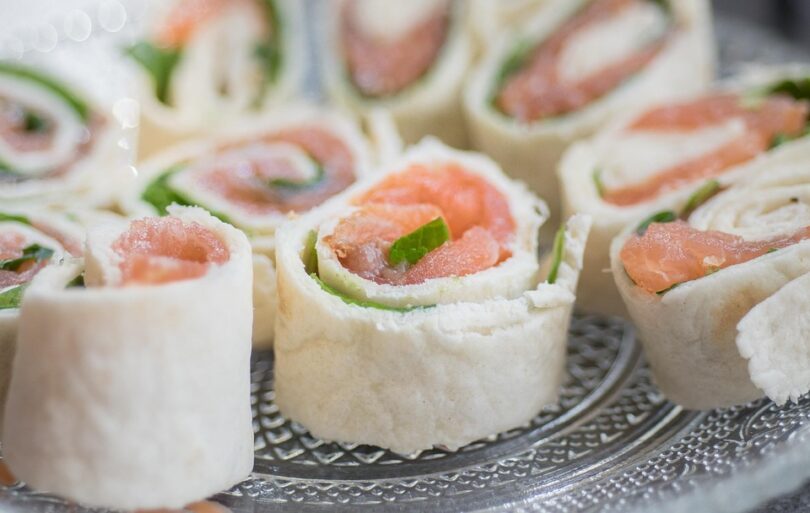


Japanese cuisine is renowned for its emphasis on freshness, simplicity, and seasonality. It offers a vibrant variety of flavors and textures that can be enjoyed in many forms. Here are ten authentic Japanese recipes that will transport your taste buds straight to Japan!
1. Sushi (寿司)
Sushi is perhaps the most iconic Japanese dish, consisting of vinegared rice accompanied by a variety of ingredients, including seafood, vegetables, and occasionally tropical fruits. Try making nigiri or sushi rolls (makis) at home!
Ingredients:
- 2 cups sushi rice
- 1/4 cup rice vinegar
- 1 teaspoon sugar
- 1/2 teaspoon salt
- Fresh fish (salmon, tuna)
- Nori (seaweed)
- Wasabi and soy sauce (for serving)
Instructions:
- Rinse the sushi rice under cold water until it runs clear.
- Cook the rice according to the package instructions.
- In a small bowl, mix rice vinegar, sugar, and salt. Heat slightly to dissolve.
- Once rice is cooked, mix in the vinegar mixture and let it cool.
- Cut fish into slices and roll rice with nori for maki or shape rice with fish for nigiri.
2. Ramen (ラーメン)
The beloved noodle dish ramen comes in various regional styles, with rich broth, soft noodles, and toppings like sliced pork, green onions, and boiled egg.
Ingredients:
- 4 cups chicken or pork broth
- 2 servings ramen noodles
- Sliced pork belly
- Soft-boiled eggs
- Green onions
- Nori and menma (bamboo shoots)
Instructions:
- Boil broth and prepare ramen noodles according to package instructions.
- In a bowl, add cooked noodles and pour hot broth over them.
- Top with pork slices, a soft-boiled egg, green onions, nori, and menma.
3. Okonomiyaki (お好み焼き)
Often referred to as Japanese savory pancakes, okonomiyaki is a versatile dish that can include various ingredients such as seafood, vegetables, and meat.
Ingredients:
- 1 cup all-purpose flour
- 1/2 cup dashi broth
- 1 cup shredded cabbage
- 1/2 cup seafood (shrimp, squid)
- Okonomiyaki sauce and mayonnaise (for topping)
Instructions:
- Mix flour and dashi in a bowl, then fold in cabbage and seafood.
- Heat a skillet and pour in the batter, shaping it into a pancake.
- Cook until golden brown on both sides and drizzle with sauce and mayonnaise.
4. Tempura (天ぷら)
Tempura is a method of frying vegetables and seafood in a light batter, resulting in a crispy texture. It’s served with a dipping sauce called tentsuyu.
Ingredients:
- 1 cup ice-cold water
- 1 cup all-purpose flour
- Vegetables (sweet potato, bell pepper)
- Shrimp
- Oil (for frying)
Instructions:
- Heat oil in a deep pan.
- Mix cold water and flour, leaving it slightly lumpy.
- Dip vegetables and shrimp in the batter, then fry until golden.
- Serve with tentsuyu sauce.
5. Miso Soup (味噌汁)
This traditional Japanese soup is made with miso paste and dashi and often contains tofu, seaweed, and green onions.
Ingredients:
- 4 cups dashi broth
- 3 tablespoons miso paste
- 1 cup cubed tofu
- Seaweed (wakame)
- Green onions
Instructions:
- Heat dashi in a pot and add cubed tofu.
- In a bowl, dissolve miso paste with some hot broth, then add to the pot.
- Add seaweed and green onions just before serving.
6. Gyoza (餃子)
These Japanese dumplings are filled with minced meat and vegetables, pan-fried to achieve a crispy base.
Ingredients:
- 1 pack gyoza wrappers
- 1/2 pound ground pork
- 1 cup cabbage, finely chopped
- 1 tablespoon ginger, grated
- Soy sauce and sesame oil
Instructions:
- Mix pork, cabbage, ginger, soy sauce, and sesame oil in a bowl.
- Place a small amount in the center of each wrapper and fold.
- Pan-fry in a skillet until crispy and serve with a dipping sauce.
7. Chirashi Sushi (散らし寿司)
This scattered sushi dish is a colorful bowl of sushi rice topped with various ingredients like sashimi, vegetables, and eggs.
Ingredients:
- 2 cups sushi rice
- 1/4 cup rice vinegar
- Assorted sashimi (salmon, tuna, etc.)
- Vegetables (cucumber, avocado)
- Japanese omelette (tamago)
Instructions:
- Prepare sushi rice as in the first recipe.
- Top the rice with sashimi and vegetable slices.
- Finish with strips of tamago for a colorful presentation.
8. Tonkatsu (とんかつ)
Tonkatsu is a breaded and deep-fried pork cutlet, typically served with shredded cabbage and tonkatsu sauce.
Ingredients:
- 1 pork loin chop
- Salt and pepper
- Flour, egg, and panko breadcrumbs
- Vegetable oil (for frying)
- Tonkatsu sauce
Instructions:
- Season pork with salt and pepper.
- Dredge in flour, dip in egg, and coat with panko.
- Fry until golden, then slice and serve with tonkatsu sauce.
9. Daifuku (大福)
Daifuku is a rice cake stuffed with sweet fillings, usually red bean paste, and often dusted with cornstarch.
Ingredients:
- 1 cup sweet rice flour (mochi)
- 1/4 cup sugar
- 1/2 cup water
- Red bean paste
Instructions:
- Mix sweet rice flour, sugar, and water in a bowl and microwave for 1 minute.
- Stir, then microwave again until it thickens.
- Cool slightly, then knead and roll into circles with red bean paste inside.
10. Matcha Green Tea (抹茶)
No Japanese meal is complete without a warm bowl of matcha tea. It’s rich in antioxidants and known for its soothing properties.
Ingredients:
- 1 tsp matcha green tea powder
- 1 cup hot water
Instructions:
- Sift matcha powder into a bowl.
- Add hot water and whisk until frothy.
- Enjoy warm!
Conclusion
Exploring Japanese cuisine is a delightful journey filled with a variety of flavors and culinary techniques. The ten recipes shared above are just a glimpse of the rich tapestry of Japanese cooking. Each dish offers unique tastes and textures that are not just nourishing but also a joy to prepare and share with others. Whether you’re a seasoned cook or just starting, these dishes will enhance your culinary skills and provide a taste of authentic Japan.
FAQs
What is the most popular Japanese dish?
Sushi is widely considered the most popular Japanese dish globally, but ramen and tempura are also beloved by many.
Are these recipes suitable for beginners?
Yes! Many of these recipes are beginner-friendly, with simple instructions to help you start your Japanese cooking journey.
Where can I find authentic Japanese ingredients?
Look for Asian grocery stores or online shops that specialize in Asian foods for authentic Japanese ingredients.
Can I substitute ingredients in these recipes?
Yes, feel free to substitute ingredients based on your preferences or dietary needs, but it may alter the final taste.


