Introduction
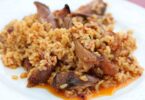
Paella Valenciana is not just a dish; it’s a culinary tradition steeped in history and rich flavors that encapsulates the heart of Spain. Originating from the Valencia region, this dish has evolved into a symbol of Spanish cuisine worldwide. In this article, we will explore the origins, ingredients, techniques, and cultural significance of Authentic Paella Valenciana.
The Historical Background of Paella
The roots of paella can be traced back to the mid-19th century in Valencia. Farmers and laborers would prepare meals in a flat, wide pan over an open fire, utilizing locally sourced ingredients. Traditional ingredients include rice, saffron, and a variety of meats such as rabbit and chicken. Over time, paella became a dish that represented communal gatherings, symbolizing the sharing and celebration of food among families and friends.
Essential Ingredients
To create an authentic Paella Valenciana, it’s crucial to use the right ingredients. Here are the key components:
- Rice: The type used is typically Bomba or Senia, both short-grain varieties known for their ability to absorb flavors.
- Saffron: This golden spice is essential for color and flavor, lending its unique aroma to the dish.
- Meats: Traditional recipes often call for chicken and rabbit, but variations may include duck or even snails.
- Vegetables: Green beans and garrofón (a type of white bean) are commonly used.
- Olive Oil: A staple in Spanish cuisine, it adds richness to the dish.
Preparation Techniques
The method of preparing Paella Valenciana is as crucial as the ingredients. Here’s a step-by-step guide:
- Start by heating olive oil in a paellera, a specific type of pan designed for making paella.
- Add the meat and sear until golden brown.
- Introduce the vegetables and sauté for a few minutes.
- Pour in the rice, mixing it with the other ingredients to coat the grains.
- Add saffron and simmer with broth, allowing the rice to absorb flavors without stirring excessively.
- Once the rice is cooked, let it rest for a few minutes before serving.
Cultural Significance
Paella is more than just a dish; it is a cultural identity for the Valencianos. Each year, the city of Valencia holds festivals celebrating this beloved dish, where chefs compete to create the best versions. The communal style of eating, often enjoyed outdoors with family and friends, emphasizes bonding and social connections. Paella Valenciana signifies gatherings, making it more than a meal but a shared experience.
Variations of Paella
While Paella Valenciana is the traditional form, various adaptations exist across Spain and the world. Here are a few popular variations:
- Seafood Paella: Uses a mix of fresh seafood, including shrimp, mussels, and clams instead of meat.
- Mixed Paella: A combination of meat and seafood, providing a rich and diverse flavor.
- Vegetable Paella: An excellent option for vegetarians, featuring seasonal vegetables and no meat.
Conclusion
Paella Valenciana is a culinary masterpiece that embodies the essence of Spanish culture, history, and community. With the perfect balance of ingredients and a traditional cooking method, it invites everyone to gather and share a meal. Whether you’re enjoying it at a local restaurant in Valencia or attempting to create it at home, the experience of savoring authentic Paella Valenciana is truly unforgettable. Embrace the flavors of Spain and bring a piece of Valencia into your kitchen!
FAQs
1. What makes Paella Valenciana different from other types of paella?
Paella Valenciana is characterized by its specific ingredients, including rabbit and chicken, and is typically made without seafood, which differentiates it from other popular versions like seafood paella.
2. Can I make Paella Valenciana without a paellera?
While a paellera is ideal for making paella, you can use a wide skillet or a flat baking dish to achieve similar results. The key is to ensure even cooking and enough surface area for the rice.
3. What is the best rice to use for paella?
The best rice for paella is Bomba or Senia, which absorb liquid well and maintain their texture. Avoid long-grain rice, as it does not provide the same result.
4. Is it necessary to use saffron in Paella Valenciana?
Saffron is a traditional ingredient that adds unique flavor and color to the dish. While you can make paella without it, omitting saffron may not give you the authentic experience.
5. What is the best way to serve paella?
Paella is traditionally served directly from the pan. Allow guests to serve themselves, enhancing the communal experience of enjoying the dish together.