

Munich, the capital of Bavaria, is a city known for its rich history, stunning architecture, and vibrant culture. While many travelers flock to its popular sites, this article will not only highlight the top attractions but also uncover some hidden gems that make Munich a unique destination.
Top Attractions in Munich
1. Marienplatz
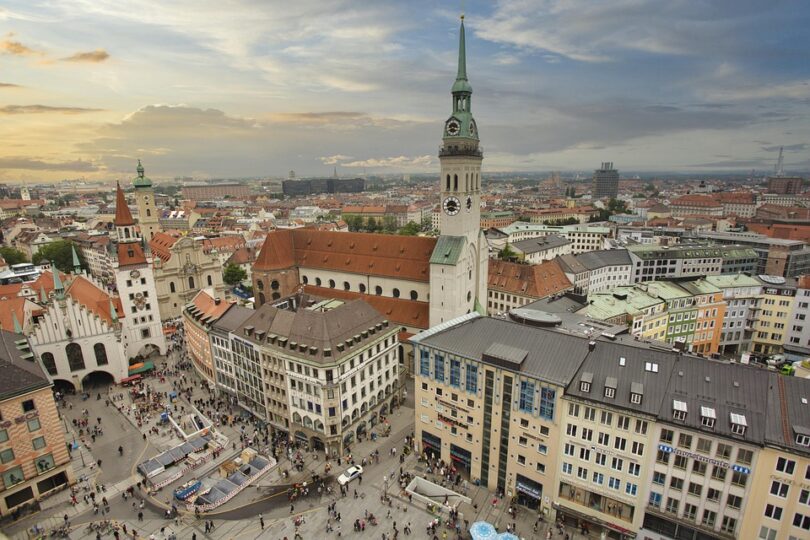
The heart of Munich, Marienplatz, is a bustling square surrounded by stunning architecture, including the Gothic Neues Rathaus (New Town Hall). The daily Glockenspiel show at 11 a.m. is a must-see, featuring life-sized figures that reenact historical events.
2. English Garden
One of the largest urban parks in the world, the English Garden (Englischer Garten) offers a peaceful escape from the city hustle. Visitors can stroll along winding paths, relax by the lake, or enjoy a refreshing beer at one of its traditional beer gardens.
3. Nymphenburg Palace
This magnificent Baroque palace was once the summer residence of the Bavarian kings. The opulent rooms, extensive gardens, and an impressive collection of porcelain make it a vital piece of Munich’s history that shouldn’t be missed.
4. Deutsches Museum
As the world’s largest museum dedicated to science and technology, the Deutsches Museum showcases an array of exhibits ranging from aviation to renewable energy. It appeals to both adults and children, making it perfect for family visits.
5. Hofbräuhaus
Visiting Munich wouldn’t be complete without experiencing its famous beer culture. Hofbräuhaus, the city’s most famous beer hall, offers a lively atmosphere with traditional Bavarian food, music, and, of course, beer brewed on-site.
Hidden Gems in Munich
1. The Residenz
While many know of Nymphenburg, the Residenz is often overlooked. This former royal palace features a fascinating museum showcasing opulent rooms, art collections, and the stunning Cuvilliés Theatre, a masterpiece of Rococo architecture.
2. Asam Church (Asamkirche)
This Baroque church, built by the Asam brothers in the 18th century, is a hidden treasure. Tucked away in the busy Sendlinger Straße, the church’s ornate interior and elaborate decorations will take your breath away.
3. Fürstenried Palace
Another lesser-known palace, Fürstenried is a beautiful 18th-century building located in the southern part of Munich. Its tranquil gardens and exquisite architecture provide a serene escape and a chance to glimpse Bavaria’s royal past.
4. St. Anna’s Church
Located near the famous Viktualienmarkt, St. Anna’s Church offers a quiet space for reflection. Its impressive frescoes and peaceful atmosphere make it a perfect stop after exploring the market’s vibrant food stalls.
5. The Glockenbachviertel District
This trendy neighborhood is known for its eclectic art scene, unique boutiques, and vibrant cafes. A walk through the streets of Glockenbachviertel reveals street art, charming shops, and a blend of multicultural influences, making it a favorite among locals.
Travel Tips for Exploring Munich
To make the most of your Munich experience, here are some travel tips:
- Public Transport: Munich has an excellent public transport system. Consider getting a day pass for unlimited travel on trams, buses, and the U-Bahn.
- Language: While many locals speak English, learning a few basic German phrases can enhance your experience and interactions.
- Currency: Germany uses the Euro. Ensure you have some cash, as not all establishments accept credit cards.
- Timing: Visit during the week to avoid large crowds, especially at major attractions.
- Local Cuisine: Don’t miss out on trying Weisswurst, pretzels, and other Bavarian specialties.
Conclusion
Munich is a city that adeptly balances its historical significance with a modern, vibrant culture. From the majestic Marienplatz to the serene English Garden, and the hidden jewels like Asam Church, there is much to discover beyond the well-trodden tourist paths. By exploring both the top attractions and lesser-known gems, you will gain a deeper appreciation for this Bavarian metropolis.
FAQs
1. What is the best time to visit Munich?
The best time to visit Munich is during the late spring (May to June) and early fall (September to October) when the weather is pleasant and various festivals, including Oktoberfest, take place.
2. Is Munich safe for tourists?
Yes, Munich is generally considered safe for tourists. However, like any major city, it’s wise to remain alert, especially in crowded areas.
3. Can I use credit cards in Munich?
While many establishments accept credit cards, some places, particularly small restaurants and markets, may only accept cash, so it’s advisable to carry some Euros.
4. How do I get around in Munich?
Munich boasts an efficient public transport system, including trams, buses, and the U-Bahn (subway). A day pass offers unlimited travel options, making it easy to navigate the city.
5. Are there English-speaking tours available?
Yes, many tour companies offer English-speaking guided tours covering key attractions and hidden gems throughout Munich.