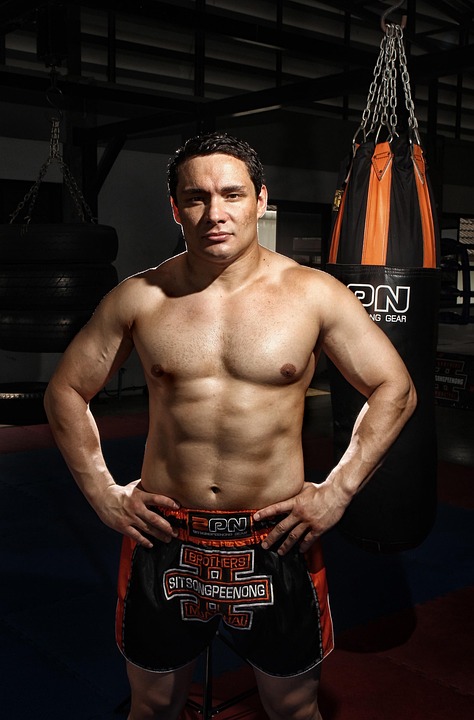


Muay Thai, known as the “Art of Eight Limbs,” is a striking martial art from Thailand that utilizes fists, elbows, knees, and shins. As a complete workout and effective self-defense technique, it has gained popularity worldwide. If you’re a beginner looking to dive into Muay Thai, this guide will provide you with essential techniques and tips.
1. Understanding the Basics of Muay Thai
Before you step into the training ring, it’s important to understand the fundamentals of Muay Thai:
- Stance: The traditional stance in Muay Thai is known as the “stance.” Stand with your feet shoulder-width apart, knees slightly bent, and your dominant foot positioned slightly back.
- Eight Limbs: Unlike many martial arts that focus primarily on punches and kicks, Muay Thai incorporates strikes with fists, elbows, knees, and shins.
- Footwork: Good footwork allows for better positioning and evasion. Practice moving in and out while maintaining your balance.
2. Essential Techniques for Beginners
2.1 Punches
There are several essential punches in Muay Thai:
- Jab: A quick, straight punch from your lead hand aimed at your opponent’s face or body.
- Cross: A powerful punch thrown with your rear hand, usually following a jab.
- Hook: A punch that comes around from the side, targeting the head or body.
- Uppercut: A punch thrown upwards, often used in close-range combat.
2.2 Kicks
Kicks are an integral part of the sport:
- Roundhouse Kick: Striking with the shin, aimed at the opponent’s head or body.
- Teep (Front Kick): A push kick used to gain distance or keep an opponent at bay.
2.3 Elbows and Knees
Both elbows and knees can cause significant damage and are critical for close-range combat:
- Elbow Strikes: Allow for quick, devastating strikes, targeting the head or face.
- Knee Strikes: Used to strike an opponent’s body or head while engaging in clinch fighting.
3. Tips for Effective Training
To make the most of your Muay Thai training, here are some tips to keep in mind:
- Find a Good Gym: Look for a reputable gym with qualified instructors. A supportive environment can enhance your learning experience.
- Practice Regularly: Consistency is key. Train at least two to three times a week to build and maintain your skills.
- Focus on Technique: Don’t rush through techniques. Focus on executing them correctly rather than just hitting hard.
- Conditioning: Muay Thai demands a high level of fitness. Incorporate strength training, cardio, and flexibility exercises into your routine.
- Stay Hydrated: Drink plenty of water before, during, and after your training sessions to stay hydrated.
4. The Importance of Sparring
Sparring allows you to apply what you’ve learned in a controlled setting. Start slow, and focus on technique rather than power. Work with different partners to adapt to various fighting styles.
Conclusion
Muay Thai is an exciting and rewarding martial art that offers numerous physical and mental benefits. By mastering the essential techniques and incorporating the tips provided, you’ll be well on your way to becoming proficient in Muay Thai. Always remember that practice, patience, and persistence are your best allies on this journey. So, lace up your gloves, step onto the mat, and embrace the challenge ahead!
FAQs
1. Is Muay Thai suitable for beginners?
Yes, Muay Thai is suitable for beginners of all fitness levels. Classes are often structured to accommodate new practitioners.
2. Do I need special equipment to start training?
Generally, you’ll need hand wraps, gloves, and comfortable training attire. Some gyms provide necessary equipment for beginners.
3. How long does it take to learn Muay Thai?
The time it takes to learn varies; however, consistent training can lead to noticeable improvements within a few months.
4. Can Muay Thai help with fitness?
Absolutely! Muay Thai is a full-body workout that improves strength, endurance, flexibility, and overall fitness.
5. Is sparring mandatory for beginners?
Sparring is typically introduced after basic techniques are learned. It’s essential for practical application but not mandatory right away.