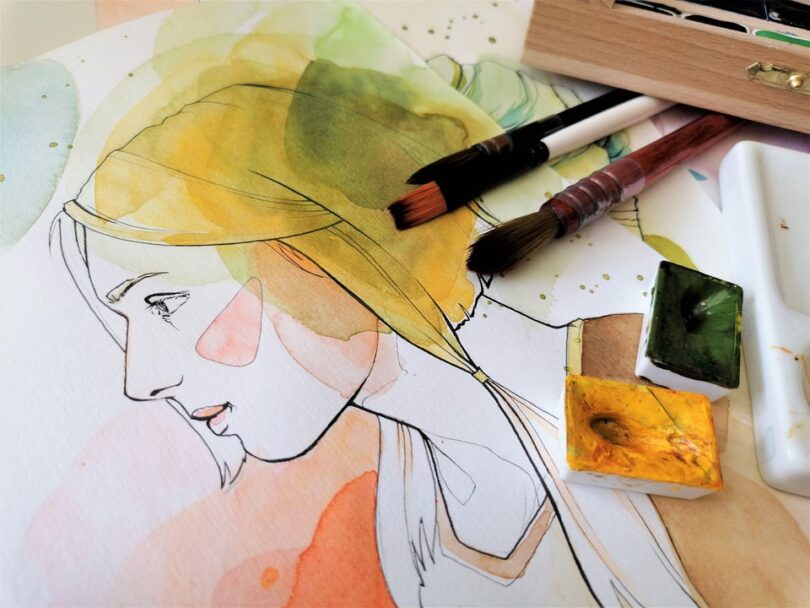


Painting is an age-old form of expression that transcends cultures and generations. For aspiring painters, mastering foundational techniques is crucial for bringing your artistic vision to life. In this article, we’ll delve into essential painting techniques that serve as a stepping stone for beginners, empowering them to explore their creativity with confidence.
1. Understanding Your Tools
The first step in your painting journey is understanding the tools at your disposal. This includes brushes, paints, canvases, and palettes.
Brushes
Brushes come in various shapes and sizes, each serving different purposes. Flat brushes are ideal for broad strokes, while round brushes are perfect for detailing. Invest in a few quality brushes and get accustomed to how they handle different types of paint.
Paints
Whether you choose acrylics, watercolors, or oils, each type of paint behaves differently and offers unique qualities. Acrylics dry quickly, making them great for layering, while oils take longer to dry, allowing time for blending.
Canvases and Palettes
Select the right canvas that suits your painting style. For beginners, a beginner-grade canvas is suitable, but as you advance, consider more professional-grade options. Palettes help you mix colors and can be made from various materials.
2. Color Theory Basics
Understanding color theory is fundamental in painting. The color wheel is an essential tool that illustrates the relationship between colors.
Primary, Secondary, and Tertiary Colors
Primary colors (red, blue, yellow) can be mixed to create secondary colors (green, orange, purple). Tertiary colors are made by mixing primary and secondary colors.
The Importance of Color Harmony
Color harmony is key to creating aesthetically pleasing artworks. Complementary colors (opposite each other on the color wheel) create contrast, while analogous colors (next to each other) provide a more harmonious look.
3. Mastering Brush Techniques
Brush techniques can significantly influence the texture and style of your painting. Here are some essential techniques to practice:
Dry Brushing
This technique involves using a brush with minimal paint to create a textured effect. It’s especially effective for adding highlights or rough textures.
Wet-on-Wet
Applying wet paint onto wet paint allows colors to blend seamlessly, creating soft transitions. This technique is perfect for landscapes and softer imagery.
Stippling and Dabbing
Using the tip of the brush to dab paint can create interesting effects and textures. This is often used in foliage or background elements.
4. Practicing Composition and Perspective
Understanding composition is crucial in guiding the viewer’s eye through your artwork.
The Rule of Thirds
Dividing your canvas into thirds both horizontally and vertically creates a grid. Positioning key elements along these lines can enhance the composition.
Creating Depth
To create depth, use techniques like diminishing size (objects appear smaller as they recede into the background) and atmospheric perspective (fading colors to suggest distance).
5. Engaging in Experimentation
Creativity thrives on experimentation. Don’t hesitate to try new techniques, color combinations, and styles. Consider attending workshops or watching online tutorials to broaden your skill set.
6. Developing a Routine
Consistent practice is the key to improvement in painting. Establish a routine that allows you to regularly dedicate time to paint. Whether it’s creating a piece daily or weekly, what matters is building a habit that supports your growth.
Conclusion
Embarking on your journey as an aspiring painter is an exciting venture. Mastering the basics—understanding your tools, grasping color theory, and honing techniques—will provide you with a solid foundation. Remember, the most important aspect of painting is to enjoy the process. Allow your creativity to flourish and don’t fear mistakes; they are often the stepping stones to mastery. With regular practice and a willingness to learn, you will continue to evolve as an artist.
FAQs
1. What type of paint is best for beginners?
Acrylic paint is often recommended for beginners due to its quick drying time, ease of use, and ability to be mixed with water for different effects.
2. How can I improve my painting skills?
Regular practice, studying the work of other artists, and experimenting with different techniques can significantly improve your skills.
3. Do I need to attend art school to become a good painter?
No, while formal education can be beneficial, many successful painters are self-taught. The key is practice, dedication, and a willingness to learn.
4. How can I overcome painter’s block?
Take a break, seek inspiration from other artists, or try a different medium or technique to reignite your creativity.