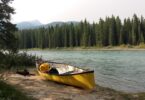
Kayaing is an exhilarating outdoor activity that allows you to explore lakes, rivers, and even oceans. For those new to the sport, the idea of getting started can be overwhelming. This guide aims to simplify kayaking, making it accessible for beginners. Whether you’re looking for a leisurely paddle on calm waters or planning to tackle some waves, this guide will equip you with the essential knowledge to get going.
1. Types of Kayaking
Before you hit the water, it’s crucial to understand the different types of kayaking available:
- Recreational Kayaking: Ideal for beginners, this type involves calm lakes and gentle rivers.
- Touring Kayaking: For longer trips on oceans or lakes, requiring more advanced skills and equipment.
- Whitewater Kayaking: Involves navigating moving water and requires specialized skills and gear.
- Sea Kayaking: Takes place in ocean waters and may encounter waves and currents.
2. Basic Equipment
For a successful kayaking experience, you’ll need some essential equipment:
- Kayak: Choose one based on your type of paddling. Recreational kayaks are wider and stable, while touring kayaks are longer and faster.
- Paddle: The size and weight of the paddle will depend on your kayak and your paddling style.
- Personal Flotation Device (PFD): A must-have for safety, choose one that fits comfortably and is Coast Guard-approved.
- Clothing: Wear lightweight, moisture-wicking clothing appropriate for the weather.
- Safety Gear: A whistle, a bilge pump, and a first-aid kit can be crucial.
3. Safety First
Safety should always be your top priority. Here are some essential safety tips:
- Always wear a life jacket.
- Let someone know your plans before heading out.
- Avoid paddling alone, especially in unfamiliar waters.
- Be aware of weather conditions and potential hazards.
4. Basic Paddling Techniques
Once you have your gear and safety measures in place, it’s time to hit the water. Here are some basic paddling techniques:
4.1 Holding the Paddle
Grip the paddle with both hands, keeping your elbows slightly bent. Your hands should be shoulder-width apart.
4.2 The Forward Stroke
To move forward, dip the blade into the water in front of you, then pull it through the water while rotating your torso. Alternate sides to maintain a straight path.
4.3 The Reverse Stroke
To slow down or move backward, place the paddle behind you and pull it towards your body. This technique is essential for steering.
5. Navigating the Water
As you become comfortable with basic strokes, pay attention to your surroundings. Learn to recognize currents, ripples, and any obstacles in your path. Practice steering your kayak by leaning slightly in the direction you wish to go.
6. Conclusion
Kayaking is a rewarding activity that combines adventure, relaxation, and a connection to nature. As you learn the fundamentals of kayaking, take your time and enjoy the process. Start on calmer waters, and as your confidence grows, consider exploring more challenging environments. Always prioritize safety, invest in the right gear, and have fun on your paddling adventures!
FAQs
1. Do I need prior experience to go kayaking?
No, kayaking is accessible for beginners. Start with calm waters and seek guidance from experienced paddlers if needed.
2. What should I wear while kayaking?
Wear comfortable, moisture-wicking clothing suitable for the weather. Quick-dry fabrics are preferred. Always have a PFD on.
3. Can I kayak alone?
While it’s possible, it’s safer to kayak with a companion, especially in unknown waters. Always inform someone of your plans.
4. How do I choose the right kayak for me?
Consider the type of kayaking you want to do, your size, and your comfort level in the water. Rental shops can provide guidance.
5. What is the purpose of a Personal Flotation Device (PFD)?
A PFD keeps you safe by providing buoyancy in case of capsizing or falling into the water. It’s essential for all paddlers.