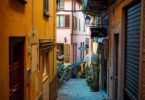
Seville, the capital of Andalusia, is famous for its stunning architecture, flamenco dancing, and vibrant culture. While tourists flock to iconic landmarks such as the Cathedral and Alcázar, there are countless hidden gems waiting to be discovered. This article dives into some lesser-known spots that reveal the authentic spirit of Seville.
1. Metropol Parasol
Often referred to as “Las Setas,” Metropol Parasol is a modern architectural marvel located in the old quarter of Seville. Designed by Jürgen Mayer, this wooden structure contrasts beautifully with the surrounding historic buildings. Visitors can ascend to the rooftop for panoramic views of the city and enjoy a peaceful walk along the elevated walkway. Make sure to explore the local market underneath, where you can sample traditional tapas.
2. Hospital de los Venerables
This 17th-century baroque building is a hidden treasure tucked away in the Santa Cruz neighborhood. Once a hospital for aging priests, it now serves as a cultural center. The tranquil courtyard, adorned with lush gardens and ornate fountains, is the perfect spot to escape the hustle of the city. The hospital also hosts art exhibitions and events that celebrate the rich cultural heritage of Seville.
3. Palacio de las Dueñas
A stunning example of Gothic and Mudejar architecture, the Palacio de las Dueñas is a lesser-known palace that offers a glimpse into Seville’s aristocratic history. The serene gardens, lavish rooms, and impressive art collections make it a peaceful retreat from busy tourist areas. Guided tours provide insight into the palace’s fascinating stories and the families that once inhabited it.
4. Casa de Pilatos
This exquisite Renaissance mansion is often overshadowed by larger attractions. Combining Italian Renaissance and Spanish Mudejar styles, Casa de Pilatos boasts beautiful courtyards and a stunning collection of art. Visitors can wander through the expansive gardens, filled with a variety of plants and flowers, while enjoying the serene atmosphere away from the crowds.
5. Las Setas de la Encarnación
Another architectural masterpiece, this is a massive wooden structure in La Encarnación square that features a public plaza, market, and stunning views of the city. While it has become a known spot, many fail to explore its various levels and the archaeological museum hidden beneath. Take a moment to enjoy a coffee at one of the cafes while soaking up the vibrant atmosphere of the square.
6. Plaza de España
While not completely off the tourist trail, this stunning square often gets overlooked in favor of more well-known sites. The square features remarkable tilework representing different provinces of Spain, and its semi-circular design provides a stunning visual experience. Rent a paddleboat to enjoy the flamenco and the picturesque surroundings, making it a perfect mix of local culture and relaxation.
7. Barrio Santa Cruz
This historic Jewish quarter is filled with narrow streets, whitewashed buildings, and charming plazas. Wander through its maze-like streets and discover local artisan shops, quaint cafes, and hidden corners that reveal the rich history of Seville. Unlike more prominent tourist locations, Santa Cruz offers an intimate glimpse into the daily lives of Sevillanos.
8. Mercado de Triana
Located across the river from the city center, this traditional market showcases the best of local produce, seafood, and meats. The bustling atmosphere is perfect for food lovers eager to taste fresh tapas and enjoy authentic Spanish dishes. Don’t forget to try the famous fish and seafood specialties that Triana is known for.
9. Parque de María Luisa
This vast park is a perfect escape from the city’s hustle and bustle. Lush greenery, picturesque ponds, and beautiful fountains create a peaceful environment where you can relax or go for a stroll. The park is home to beautiful monuments, including the iconic Plaza de España, and offers various walking paths filled with history and charm.
10. Capilla de los Marineros
Located in the Triana neighborhood, this hidden chapel is dedicated to the Brotherhood of La Esperanza de Triana. The chapel features stunning religious art, including the famous image of the Virgin of Hope. It’s a beautiful place for reflection and allows visitors to connect with the deep religious traditions of Seville.
Conclusion
Seville is a city that pulsates with life, culture, and history. While the iconic sights are breathtaking, the true essence of the city is often found in its hidden gems. From serene gardens to stunning architectural marvels, these lesser-known spots offer a unique perspective on Seville. By venturing off the beaten path, travelers can connect with the local culture and enjoy a richer experience, making their visit to Spain’s captivating capital truly unforgettable.
FAQs
1. What is the best time to visit Seville?
The best time to visit Seville is during the spring (March to June) and fall (September to November) when the weather is mild and pleasant. These seasons also align with local festivals, adding to the city’s vibrancy.
2. Are there any guided tours for hidden gems in Seville?
Yes, several companies offer guided tours focusing on the hidden gems of Seville. These tours provide insightful information about the history and significance of each location.
3. How can I find authentic tapas restaurants in Seville?
Explore local markets and smaller neighborhoods away from tourist hotspots. Asking locals for recommendations is a great way to discover authentic tapas bars.
4. Is it safe to walk around Seville at night?
Seville is generally safe for tourists. However, it’s always wise to stay in well-lit areas and be aware of your surroundings, especially in less crowded neighborhoods.
5. What traditional dishes should I try in Seville?
Make sure to try local specialties such as jamón ibérico, gazpacho, salmorejo, and the wide variety of tapas available at local bars.