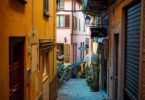
Luxembourg, a small yet charming country nestled between Belgium, France, and Germany, is often overshadowed by its more famous neighbors. However, beneath its surface lies a treasure trove of hidden gems. In this article, we will explore some of the lesser-known attractions in Luxembourg that are worth discovering.
1. Vianden Castle
Perched on a hill overlooking the town of Vianden, this stunning medieval castle is a testament to the region’s rich history. Dating back to the 11th century, Vianden Castle has been meticulously restored and offers breathtaking panoramic views. Visitors can explore the extensive grounds and learn about the history of the castle through informative exhibits.
2. The Moselle Valley
The Moselle Valley is a picturesque region known for its wine production. While many tourists flock to the larger vineyards, this area is home to small, family-run wineries that produce exquisite wines, particularly Riesling. A leisurely visit to towns like Grevenmacher and Remich along the river is perfect for savoring local wines while enjoying the serene landscapes.
3. Mullerthal Region
Often referred to as “Little Switzerland,” the Mullerthal Region is a hiker’s paradise. Known for its unique rock formations, lush forests, and winding trails, this area offers various routes for all fitness levels. Trails such as the Mullerthal Trail provide not just stunning views but also an opportunity to connect with nature away from bustling tourist sites.
4. Clervaux
The charming town of Clervaux is home to the impressive Benedictine Abbey and the renowned Family of Man photography exhibition. Set against a backdrop of rolling hills and lush greenery, Clervaux offers a peaceful atmosphere perfect for a leisurely stroll. Don’t miss the opportunity to explore the town’s historic buildings and quaint cafes, showcasing local cuisine.
5. The American Cementery Memorial
Located in Hamm, the American Cemetery Memorial is a solemn reminder of the sacrifices made during World War II. This meticulously maintained site honors the American soldiers who fought in the Battle of the Bulge. Visitors can reflect on history while walking among the rows of white tombstones, and the site also features a visitor center that provides further insight into the events of the war.
6. Echternach’s Abbey
The Abbey of Echternach is Luxembourg’s oldest abbey, founded in the 7th century. This UNESCO World Heritage site is an architectural marvel, featuring Romanesque and Gothic styles. The abbey is surrounded by beautiful gardens and is the ideal starting point for walks along the Sauer River. The town of Echternach itself is charming, with its lively market square and inviting cafes.
7. Beaufort Castle
Beaufort Castle combines medieval history with stunning natural beauty. This castle consists of both a lower and upper castle and offers guided tours that delve into its fascinating past. The surrounding park, with its hiking trails, is perfect for picnics and relaxation, making it one of the must-see hidden gems in Luxembourg.
8. The Dali Museum in Echternach
For art enthusiasts, the Dali Museum in Echternach is a unique experience. Featuring a collection of works by the famous surrealist artist Salvador Dalí, this museum showcases a fascinating blend of art and history. The museum’s location in the picturesque town of Echternach makes it an excellent stop on any cultural itinerary.
Conclusion
Luxembourg may be small, but it is brimming with hidden treasures waiting to be explored. From stunning castles and serene landscapes to rich history and local delicacies, the country offers a diverse array of experiences beyond the usual tourist trail. Discovering these gems provides insights into Luxembourg’s culture and heritage that are sure to make your visit memorable. Whether you’re an avid hiker, a history buff, or a wine aficionado, Luxembourg’s best-kept secrets are ready to be unearthed.
FAQs
Q1: What’s the best time to visit Luxembourg?
A1: The best time to visit Luxembourg is during the spring (April to June) and fall (September to October) when the weather is mild and the natural scenery is vibrant.
Q2: How can I get around Luxembourg?
A2: Luxembourg offers a well-connected public transport system, including trains and buses. Many towns are also accessible on foot, making it easy to explore.
Q3: Are there any local dishes I should try?
A3: Yes! Be sure to try Gromperekichelcher (potato fritters), Judd mat Gaardebounen (smoked pork with broad beans), and local wines like Riesling and Pinot Gris.