




Doughnuts have long been a beloved treat, celebrated for their sweetness and variety. Whether you enjoy them glazed, filled, or crumbled, mastering the art of homemade doughnuts can offer a gratifying culinary experience. In this article, we will dive into the history of doughnuts, explore various types, and provide step-by-step instructions to make your own delicious creations.
History of Doughnuts
The origins of doughnuts can be traced back to ancient cultures. The Dutch settlers introduced “olykoeks” (oily cakes) to America in the 19th century. However, it was not until 1847 that the modern doughnut, with its characteristic hole, came into existence. Invented by a New England ship captain named Hanson Gregory, the doughnut hole was created to ensure even cooking and to make the treat more portable.
Types of Doughnuts
Doughnuts come in many shapes, sizes, and flavors. Understanding different types can help you choose what you want to make:
- Glazed Doughnuts: The classic sweet treat coated in sugar glaze.
- Filled Doughnuts: Doughnuts stuffed with cream, jelly, or custard.
- Baked Doughnuts: A healthier version made in the oven, reducing the oil content.
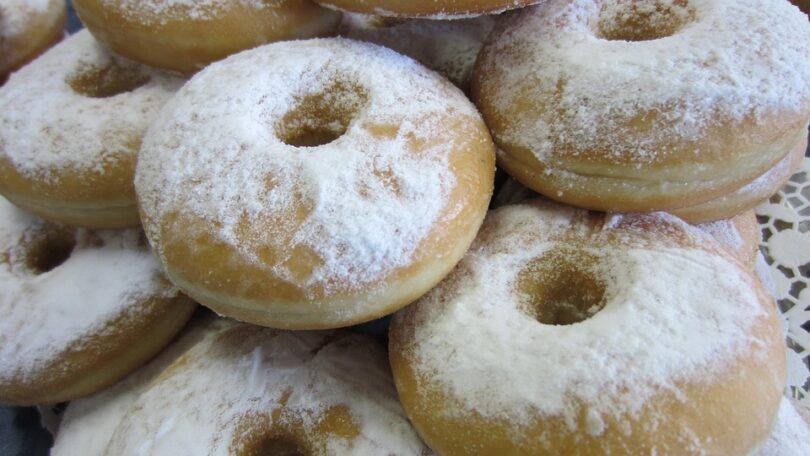
- Old-Fashioned Doughnuts: Dense and cake-like, often dusted with powdered sugar.
- Crullers: Twisted doughnuts with a light, airy texture.
Essential Ingredients
To create the perfect homemade doughnut, you will need to gather the following ingredients:
- 2 cups all-purpose flour
- 1/2 cup granulated sugar
- 1 tablespoon baking powder
- 1/2 teaspoon salt
- 1/2 teaspoon ground nutmeg (optional)
- 1/2 cup milk
- 2 large eggs
- 1/4 cup unsalted butter, melted
- Vegetable oil for frying
Step-by-Step Instructions to Make Homemade Doughnuts
Step 1: Prepare Your Doughnut Mixture
In a large bowl, combine the flour, sugar, baking powder, salt, and nutmeg (if using). In a separate bowl, whisk together the milk, eggs, and melted butter. Pour the wet ingredients into the dry ingredients and mix until just combined. Be careful not to overmix!
Step 2: Shape the Doughnuts
Turn the dough out onto a floured surface. Roll it out to about 1/2 inch thick. Use a doughnut cutter or two different-sized round cookie cutters to cut out doughnut shapes. Collect the scraps and re-roll to make more doughnuts.
Step 3: Heat the Oil
In a deep pot or fryer, heat about 2-3 inches of vegetable oil to 350°F (175°C). Use a thermometer for accuracy, as maintaining the right temperature is crucial for perfect frying.
Step 4: Fry the Doughnuts
Carefully place the doughnuts in the hot oil, frying only a few at a time to avoid overcrowding. Fry for about 1-2 minutes on each side, until golden brown. Use a slotted spoon to remove them and place them on a paper towel-lined plate to drain excess oil.
Step 5: Glaze Your Doughnuts
For a simple glaze, mix 2 cups of powdered sugar with 1/4 cup of milk and a splash of vanilla extract. Dip the warm doughnuts in the glaze, allowing the excess to drip off. You can also roll them in granulated sugar or cinnamon sugar for a different flavor.
Conclusion
Homemade doughnuts are a delightful treat that can be enjoyed by everyone. With just a few ingredients and some simple steps, you can create a variety of delectable treats in your own kitchen. The satisfaction of biting into a freshly made doughnut is unparalleled. So gather your ingredients, invite some friends over, and have fun mastering the art of homemade doughnuts!
Frequently Asked Questions (FAQs)
1. Can I bake doughnuts instead of frying them?
Yes! If you want a healthier alternative, you can bake your doughnuts in a doughnut pan. The texture will be different, but they’ll still be delicious.
2. How do I store leftover doughnuts?
Store leftover doughnuts in an airtight container at room temperature for up to two days. For longer storage, consider freezing them. Just be aware that glazing may not hold up well after freezing.
3. Can I customize the flavors of my doughnuts?
Absolutely! Add flavorings like chocolate, vanilla, or spices to the batter, or experiment with fillings and toppings, such as sprinkles, nuts, or flavored glazes.
4. What oil is best for frying doughnuts?
Vegetable oil, canola oil, or peanut oil are excellent choices for frying doughnuts due to their high smoke points.
5. Why did my doughnuts turn out dense?
Your doughnuts may be dense if overmixed or if they didn’t rise properly. Make sure to measure your ingredients accurately and avoid overworking the dough.


