


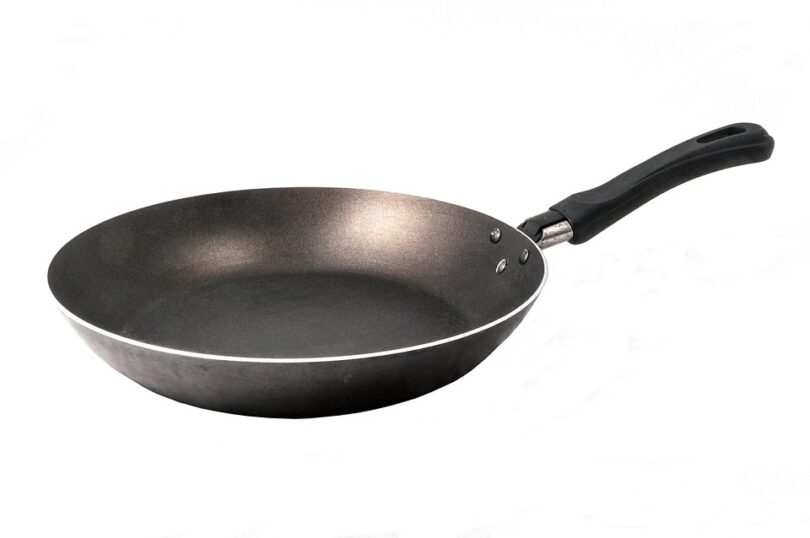


Frying is one of the most popular cooking methods, known for its ability to create delicious, crispy meals. Whether you’re frying chicken, doughnuts, or vegetables, the key to achieving that perfect crispy texture lies in understanding the basics. This guide will provide you with essential tips and techniques to help you master the art of frying.
Understanding the Frying Process
Frying involves cooking food in hot oil or fat, which can create a distinctive flavor and texture. The high temperature causes moisture in the food to evaporate quickly, leading to a crispy exterior. Here are some essential concepts to grasp:
- Temperature: The oil must be hot enough to crisp up the food without absorbing too much oil, usually between 350°F (175°C) and 375°F (190°C).
- Type of Oil: Choose oils with high smoke points, such as canola, peanut, or sunflower oil, for frying.
- Food Preparation: Preparing your food correctly can make a significant difference in the final texture and flavor.
Essential Tips for Perfectly Crispy Results
1. Choose the Right Oil
The choice of oil can greatly affect the flavor and cooking temperature. High smoke point oils, like those mentioned earlier, will ensure that you achieve that crispy texture without burning the oil.
2. Preheat the Oil
Always preheat your oil. Use a thermometer to monitor the temperature, and make sure it reaches at least 350°F (175°C) before adding the food. If the oil is too cool, your food will absorb too much oil, making it greasy. If it’s too hot, it can burn quickly.
3. Don’t Overcrowd the Pan
When frying, avoid overcrowding the pan. Adding too much food at once will lower the oil temperature, leading to soggy results. Fry in small batches to maintain consistent temperature and even cooking.
4. Coat Your Food
Using a coating, whether it be batter or breadcrumbs, can significantly enhance the crispiness. Consider using a flour-based batter, seasoned crumbs, or even a simple dusting of flour for a light crust.
5. Drain Excess Oil
After frying, place your food on a wire rack or paper towels to drain excess oil. This helps keep the food crispy by preventing steam buildup.
6. Season Immediately
Season your food right after frying while it’s still hot. This ensures that the seasoning sticks well and enhances the overall flavor.
7. Keep Watch on Cooking Time
Each type of food has a different cooking time. Use a timer and keep the food moving in the oil to prevent uneven cooking or burning.
8. Experiment with Temperature Variations
Different foods may require slightly different frying temperatures. For example, delicate items like fish may need a lower temperature, while sturdier items like potatoes can handle higher. Don’t be afraid to experiment!
9. Maintain Oil Quality
Filter and store used oil to prolong its life. Strain out food particles after frying and store it in a cool, dark place for later use. However, be aware that oil will degrade over time, so take note of its freshness.
10. Safety First!
Frying can be hazardous, especially with hot oil. Always use a deep fryer or a heavy pot with deep sides, and keep a lid nearby in case of emergencies. Never leave hot oil unattended.
Conclusion
Mastering the art of frying is all about attention to detail. By following these essential tips, you can achieve perfectly crispy results every time. Remember to choose the right oil, preheat properly, and avoid overcrowding for the best outcomes. Happy frying!
FAQs
1. What is the best oil for frying?
High smoke point oils like canola, peanut, and sunflower oil are ideal for frying due to their ability to withstand high temperatures without burning.
2. How do I know when the oil is ready?
A thermometer is the best way to check oil temperature. Alternatively, you can drop a small piece of food in the oil; if it sizzles and bubbles, the oil is hot enough.
3. Can I reuse frying oil?
Yes, you can reuse frying oil, provided you strain out food particles and store it properly. However, keep in mind that oil will degrade over time.
4. Why is my fried food soggy?
Soggy fried food may result from overcrowding the pan, using oil that’s too cool, or not draining excess oil after frying.
5. How can I make battered food crispy?
For crispy battered food, ensure your batter is cold, use ice-cold water in the batter mix, and fry in batches to maintain temperature.


