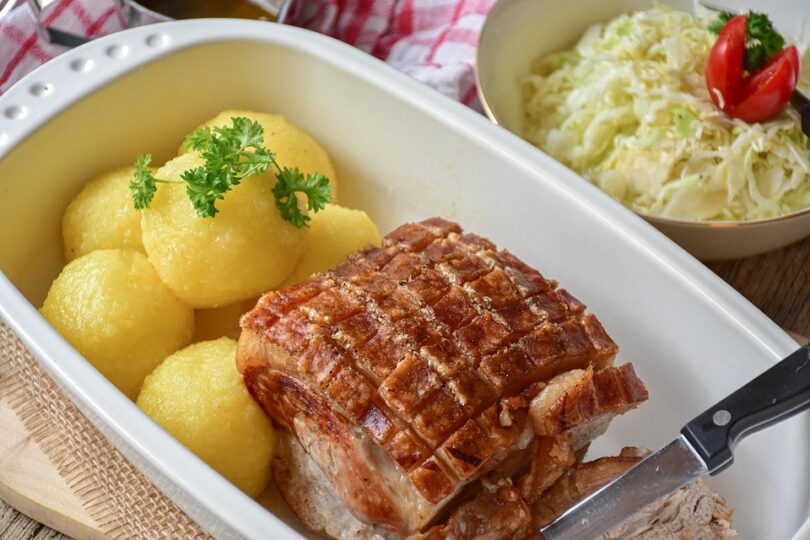


German cuisine is a treasure trove of robust flavors, hearty dishes, and traditional methods that have been passed down through generations. From tangy sauerkraut to artisanal sourdough bread, the culinary landscape of Germany reflects its rich history and regional diversity. This article explores these signature elements and delves into their cultural significance.
The History of German Cuisine
German cuisine has roots that stretch back thousands of years. Influenced by various cultures, including the Romans and the Celts, it has evolved through the ages. Ingredients such as grains, potatoes, and cabbage are staples, owing to their availability in the colder, northern climates.
The unification of Germany in the 19th century led to a more homogenized national cuisine, but regional specialties still prevail. Whether it’s the spicy sausages of Bavaria or the egg noodles of Swabia, each area offers unique flavors that contribute to the nation’s culinary identity.
Sauerkraut: A Traditional Fermented Marvel
Sauerkraut translates to “sour cabbage” in German. It is made through a fermentation process that transforms shredded cabbage into a tangy, flavorful side dish. Rich in probiotics, sauerkraut has gained popularity as a health food, but its cultural significance runs much deeper.
Originating as a means to preserve cabbage during winter months, sauerkraut became a staple in German households. It pairs wonderfully with meats, especially sausages, and is often served during festive occasions such as Oktoberfest. The fermentation process not only enhances its shelf life but also enriches its nutritional profile, making it a beloved dish among health-conscious individuals today.
How Sauerkraut is Made
The traditional method involves finely shredding cabbage and mixing it with salt. The salt draws out moisture, allowing the cabbage to ferment in its own juices. This process can take anywhere from a few weeks to several months, developing complex flavors over time.
Sourdough: A Bread with Character
Sourdough bread, known as “Sauerteig” in German, is a hallmark of German baking. Its unique flavor profile comes from the natural fermentation process that uses wild yeast and lactic acid bacteria. This method not only enhances the taste but also contributes to the bread’s texture, creating a delightful crust and chewy interior.
Germany is home to a variety of sourdough breads, each reflecting local ingredients and traditions. Popular types include Vollkornbrot (whole grain bread) and Roggenbrot (rye bread), both of which are staples in many German households.
The Art of Sourdough Baking
To make traditional German sourdough, bakers create a “starter” made from flour and water, which ferments and develops the necessary wild yeast. After a period of rising fermentation, the starter is mixed with more flour and water and kneaded into a dough. After shaping, the dough is allowed to rise before baking, which results in a dense, flavorful loaf.
Cultural Significance
Both sauerkraut and sourdough embody the spirit of German cuisine: preservation, community, and tradition. They represent a way of connecting with the past, showcasing not only culinary techniques but also the importance of sustainability and home cooking in German culture.
Community events often center around the preparation of these foods, whether it’s a family gathering to make sauerkraut or a workshop on sourdough baking. This collective culinary effort fosters a sense of belonging and cultural pride.
Modern Adaptations & Global Influence
In recent years, there has been a resurgence of interest in traditional foods, with chefs and home cooks alike experimenting with new flavors and techniques. Fusion cuisine has introduced sauerkraut to new dishes, such as tacos and sliders, while sourdough has become a global phenomenon, inspiring countless variations across different cultures.
The emphasis on locally sourced ingredients and artisanal methods has revived interest in these traditional staples. Many bakeries and restaurants are now dedicated to crafting authentic sourdough or offering house-made sauerkraut, appealing to a demographic eager to embrace authenticity and flavor.
Conclusion
From the tangy bite of sauerkraut to the robust character of sourdough, German cuisine offers a rich tapestry of flavors and traditions. These dishes are not just food; they represent a deep-seated cultural heritage that resonates with both locals and the global community. Embracing these flavors connects us to the past while inviting us to savor the present.
FAQs
1. What is the difference between sauerkraut and kimchi?
Both are fermented cabbage dishes, but kimchi typically includes various spices and ingredients like garlic and chili pepper, whereas sauerkraut is mainly made from cabbage and salt.
2. Can I make sourdough bread without a starter?
No, a sourdough starter is essential for creating the unique flavors and textures characteristic of sourdough bread. You can create your own starter at home using flour and water.
3. Is sauerkraut healthy?
Yes, sauerkraut is rich in vitamins (like Vitamin C) and probiotics, which can aid digestion and promote gut health.
4. How long does it take to ferment sauerkraut?
The fermentation time can vary; typically, it takes about 1 to 4 weeks depending on the temperature and desired tanginess.
5. What are some popular German dishes that include sauerkraut?
Popular dishes include sausages with sauerkraut, Reuben sandwiches, and German potato salad.