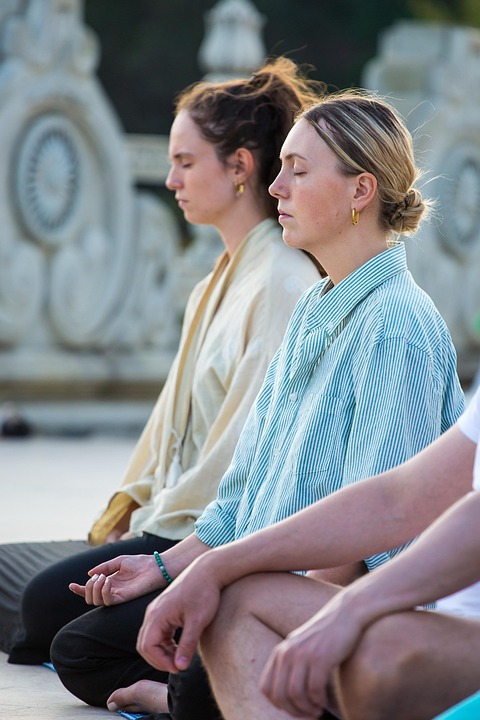


In a world full of distractions, stress, and the constant urge to do more, finding a moment of peace can feel nearly impossible. The concept of mindfulness, derived from ancient meditation practices, offers a pathway to greater tranquility by helping individuals cultivate awareness in the present moment. This article explores the journey into mindfulness, highlighting its benefits, techniques, and how it can serve as a lifelong companion in the quest for peace.
What is Mindfulness?
Mindfulness is the practice of being fully present and engaged in the current moment, free from judgment or distraction. Rooted in Buddhist traditions, mindfulness has gained traction in modern psychology for its mental health benefits. It enables individuals to observe their thoughts and feelings without becoming overwhelmed or reactive. By recognizing thoughts as mere mental events rather than absolute truths, one can find a sense of calm amidst chaos.
The Benefits of Mindfulness
The journey into mindfulness offers numerous benefits, which can positively impact both mental and physical well-being. Here are some key advantages:
- Reduced Stress: Mindfulness techniques help lower stress levels by promoting relaxation and decreasing the body’s stress response.
- Improved Focus: Regular practice enhances concentration and attention, allowing individuals to be more productive in their daily tasks.
- Emotional Regulation: Mindfulness cultivates awareness of emotions, providing tools to manage them effectively and reducing anxiety and depression.
- Increased Self-Awareness: Mindfulness encourages reflection and introspection, leading to a deeper understanding of oneself.
- Enhanced Relationships: By fostering empathy and compassion, mindfulness can improve interpersonal relationships.
Getting Started with Mindfulness
Beginning the journey into mindfulness does not require a long-term commitment or extensive training. Here are several techniques to help you get started:
1. Mindful Breathing
One of the simplest ways to practice mindfulness is through mindful breathing. Find a quiet place, close your eyes, and take deep breaths. Focus your attention on your breath as it flows in and out. If your mind starts to wander, gently bring your focus back to your breath.
2. Body Scan Meditation
This technique involves paying attention to different parts of your body, from head to toe. Lie down comfortably and mentally scan your body, releasing any tension as you focus on each area. This promotes relaxation and enhances body awareness.
3. Mindful Walking
Walking can be a form of meditation when done mindfully. Pay attention to the sensations of your feet touching the ground, the rhythm of your breath, and the sights and sounds around you. Try to remain present and avoid distractions.
4. Journaling
Writing can be an excellent way to cultivate mindfulness. Spend a few minutes each day writing down your thoughts and feelings without judgment. This practice can clarify your thoughts and foster self-awareness.
Overcoming Challenges in Mindfulness Practice
While the benefits of mindfulness are substantial, many individuals encounter challenges during their practice. Common issues include restlessness, difficulty concentrating, and self-doubt. Here’s how to address these hurdles:
- Start Small: Begin with just a few minutes each day and gradually increase the duration as you become more comfortable.
- Be Patient: Understand that mindfulness is a practice; it takes time to see significant changes.
- Seek Guidance: Consider attending a mindfulness class or using apps designed to guide you in your practice.
Integrating Mindfulness into Daily Life
Mindfulness is not just a practice to be done in isolation; it can be integrated into daily activities. Here are some tips:
- Routine Activities: Practice mindfulness while doing everyday chores, such as washing dishes or brushing your teeth, focusing on the sensations and actions.
- Mindful Eating: Pay attention to the flavors, textures, and smells of your food. This can help you develop a healthier relationship with eating.
- Mindfulness Breaks: Take short breaks throughout your day to breathe deeply and check in with your thoughts and feelings.
Conclusion
Finding peace in the present through mindfulness is a transformative journey that can lead to profound personal growth and emotional well-being. By incorporating mindfulness techniques into your daily life, you can cultivate awareness and resilience, allowing you to navigate life’s challenges with grace and calmness. Remember, it is not about achieving perfection but about being present and compassionate with yourself throughout the process.
FAQs
1. How long do I need to practice mindfulness to see results?
Results can vary from person to person, but many individuals report feeling more relaxed and focused after just a few minutes of daily practice. Consistency is key.
2. Can mindfulness help with anxiety and depression?
Yes, numerous studies have shown that mindfulness can help reduce symptoms of anxiety and depression, allowing individuals to manage their emotions more effectively.
3. Do I need to sit in silence to practice mindfulness?
No, mindfulness can be practiced in various forms, including movement-based practices like yoga or even mindful walking. The key is to focus on the present moment.
4. Is mindfulness a religious practice?
While mindfulness has roots in Buddhism, it has been adapted into secular practices that can be beneficial to anyone, regardless of their religious beliefs.
5. How often should I practice mindfulness?
Even a few minutes a day can be beneficial. The important aspect is to create a regular habit that fits your lifestyle.