


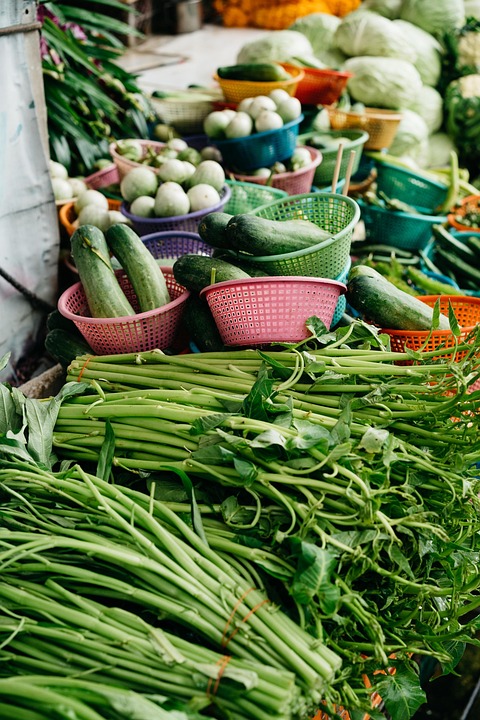


The farm-to-table movement emphasizes the importance of sourcing ingredients directly from local farms and producers. This method not only supports sustainable agriculture but also promotes healthier eating habits. With a focus on organic, seasonal produce, we can create mouthwatering dishes that are good for both the body and the planet. In this article, we’ll explore delicious organic recipes suitable for every season, ensuring that you can savor fresh flavors year-round.
Spring Recipes
Spring is the time of renewal, with vibrant greens and fresh herbs making their appearance. Here’s a delightful recipe to celebrate the season.
Spring Vegetable Risotto
Ingredients:
- 1 cup Arborio rice
- 4 cups vegetable broth
- 1 onion, finely chopped
- 2 cups mixed spring vegetables (asparagus, peas, spinach)
- 2 tablespoons olive oil
- Salt and pepper to taste
- Fresh parsley, for garnish
Instructions:
- Heat the olive oil in a large pan. Add the onion and sauté until translucent.
- Add the Arborio rice and cook for 1-2 minutes until slightly toasted.
- Gradually add the warm vegetable broth, one ladle at a time, stirring continuously.
- When the rice is nearly cooked, stir in the spring vegetables and cook until tender.
- Season with salt and pepper, and garnish with fresh parsley before serving.
Summer Recipes
Summer brings a bounty of colorful fruits and vegetables. Here’s a refreshing salad that embodies the season’s flavors.
Caprese Salad with a Twist
Ingredients:
- 2 large tomatoes, sliced
- 1 ball of fresh mozzarella, sliced
- 1 avocado, sliced
- Fresh basil leaves
- Balsamic glaze
- Salt and pepper to taste
Instructions:
- On a serving platter, alternate layers of tomatoes, mozzarella, and avocado.
- Top with fresh basil leaves.
- Drizzle balsamic glaze over the salad and season with salt and pepper.
- Serve chilled for a refreshing summertime treat.
Fall Recipes
As the leaves change color, fall offers hearty root vegetables and comforting flavors. A perfect dish to embody this season is:
Pumpkin and Sage Pasta
Ingredients:
- 8 oz pasta of your choice
- 1 cup pumpkin puree
- 1/4 cup heavy cream
- 2 tablespoons fresh sage, chopped
- Parmesan cheese, for serving
- Salt and pepper to taste
Instructions:
- Cook the pasta according to package instructions and drain.
- In a pan, heat the pumpkin puree and cream over low heat until combined.
- Add the cooked pasta and sage to the pan, mixing well.
- Season with salt and pepper, and serve topped with grated Parmesan cheese.
Winter Recipes
Winter calls for warming dishes that nourish the soul. Comfort food at its best:
Root Vegetable Stew
Ingredients:
- 2 carrots, diced
- 2 potatoes, diced
- 1 parsnip, diced
- 1 onion, chopped
- 4 cups vegetable broth
- 2 cloves garlic, minced
- Herbs (thyme, rosemary) for seasoning
Instructions:
- In a large pot, sauté the onion and garlic until fragrant.
- Add the carrots, potatoes, and parsnip, cooking for a few minutes.
- Pour in the vegetable broth and add herbs. Simmer until vegetables are tender.
- Season with salt and pepper, and enjoy a warm bowl of goodness.
Conclusion
Incorporating farm-to-table recipes into your culinary repertoire not only enhances your meals but also supports sustainable agricultural practices. Each season brings unique flavors and ingredients, allowing for a diverse and exciting menu throughout the year. By focusing on organic produce that is in season, we contribute to a healthier lifestyle and environment. So roll up your sleeves, visit your local farmer’s market, and experiment with these delicious recipes!
FAQs
1. What does farm-to-table mean?
Farm-to-table refers to a movement that promotes sourcing food directly from local farms, ensuring freshness and sustainability.
2. Why is it important to eat organic produce?
Eating organic produce reduces exposure to pesticides and promotes farming practices that are beneficial to the environment.
3. How do I find local farms to purchase from?
Check local farmer’s markets, community-supported agriculture (CSA) programs, or online directories that list farms in your area.
4. Can I adapt these recipes to include non-seasonal ingredients?
While you can substitute ingredients, using seasonal produce enhances flavor and supports local agriculture.


