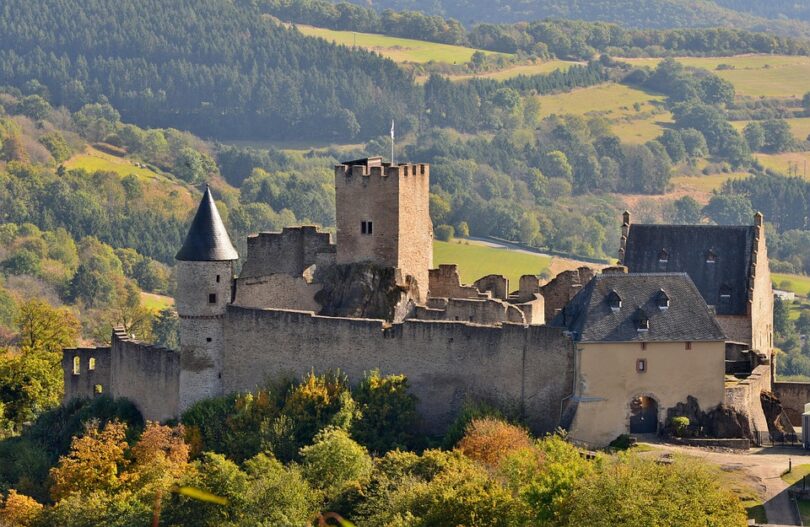


Luxembourg, a small yet captivating European nation, boasts a rich historical tapestry. Its landscape is punctuated by astonishing castles that tell the stories of centuries past. From medieval fortresses to picturesque ruins, these castles serve as a window into the grand history of the Grand Duchy of Luxembourg. In this journey, we will explore the most iconic castles, their historical significance, and their architectural grandeur.
The Historical Context of Luxembourg’s Castles
Luxembourg’s strategic location at the crossroads of Europe has made it a focal point for various cultures and powers throughout history. The construction of castles began in the early Middle Ages when the counts of Luxembourg sought to establish their dominance and protect their territories. Most castles were built in the 10th to 14th centuries and were strategically placed on hills or along rivers for defense.
1. Château de Luxembourg (Luxembourg City)
The centerpiece of Luxembourg City, the Château de Luxembourg is not just a castle; it’s an emblem of the nation’s identity. Originally built in the 10th century, this fortress underwent several modifications and expansions over the years. The fortress is known for its impressive ramparts and bastions, offering stunning views of the Alzette River valley.
Visitors can explore the Gëlle Fra memorial located nearby and take in the historical context of the city. While much of the original structure has been altered, the visitors can still admire remnants of the past and delve into the castle’s storied past through guided tours.
2. Château de Vianden
Perched high on a rocky hill, Château de Vianden is one of the most important medieval castles in Luxembourg. Its construction began in the 10th century, reflecting a mix of Romanesque and Gothic architectural styles. The castle was the residence of the Counts of Vianden for many years and features well-preserved rooms, including a chapel, great hall, and stunning towers.
A visit to this castle provides an enchanting journey through the medieval period, and the picturesque surrounding landscape of Vianden adds to its charm. In summer, the castle plays host to various cultural events and reenactments, allowing visitors to experience history in a lively manner.
3. Château de Beaufort
Located in the little village of Beaufort, this castle is a blend of medieval and Renaissance styles, showcasing the evolution of architecture over the centuries. Built in the 11th century, Château de Beaufort is unique because it encapsulates the ruins of the older medieval castle. Visitors can explore its beautiful grounds, which include gardens and serene ponds.
Today, the castle serves as a popular tourist attraction and a venue for various events. Its historical significance lies in its role as a residence for the local nobility and its contribution to the defense of the region.
4. Château de Clervaux
Château de Clervaux stands as a symbol of the region’s aristocratic history. Dating from the 12th century, it features a blend of architectural styles, including Romanesque and Gothic. The castle has been restored and is home to a museum that houses the famous “Family of Man” photography exhibition, created by Edward Steichen.
The picturesque setting and rich history make Clervaux Castle a must-see for anyone exploring Luxembourg. The guided tours provide insights into its medieval past and the significance of photography in modern culture.
5. Others to Explore
While the above are some of the most significant castles, many smaller gems dot the Luxembourg countryside, such as:
- Château de Mersch: A beautiful castle with distinct architectural features and lovely gardens.
- Château de Larochette: A captivating ruin that offers serene walking paths and historical intrigue.
- Château de Esch-sur-Sûre: Nestled in a picturesque village, this castle offers spectacular views of the Sûre River.
Conclusion
The majestic castles of Luxembourg are not merely structures of stone and mortar; they are a testament to the nation’s history, resilience, and artistic evolution. Each castle offers a unique glimpse into the past, making them essential stops for anyone looking to understand the rich cultural heritage of Luxembourg. As you walk through their halls and climb their towers, you’ll feel the echoes of history that resonate within these ancient walls. Whether you’re a history lover, an architecture enthusiast, or simply a curious traveler, Luxembourg’s castles promise an enchanting journey through time.
FAQs
1. What is the best time to visit the castles of Luxembourg?
The spring (April to June) and autumn (September to October) are ideal times to visit due to the pleasant weather and fewer crowds.
2. Are there guided tours available in the castles?
Yes, many castles offer guided tours that provide historical context and fascinating insights into their architecture.
3. Can I take photographs inside the castles?
Photography policies vary, but most castles allow photography in outdoor areas. It’s best to check specific guidelines before your visit.
4. Is there an entrance fee for the castles?
Many castles have a nominal entrance fee, while some might offer free admission, particularly during certain events. Always check ahead of your visit!
5. What should I wear when visiting the castles?
Comfortable walking shoes are recommended as some areas may involve walking on uneven terrain. Dress according to the weather, and consider layers if you plan to explore indoors and outdoors.