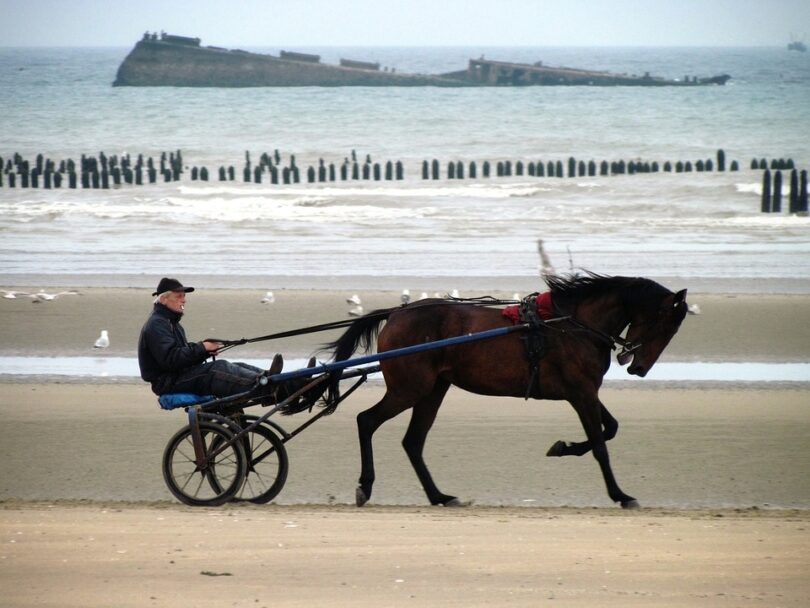


The beaches of Normandy hold a profound significance in the annals of World War II. Known primarily for the D-Day invasion, this stretch of coastline is more than just a beautiful location; it is a symbol of hope, sacrifice, and the relentless pursuit of freedom. The events that transpired on and around June 6, 1944, marked a turning point in the war and a pivotal moment in world history.
The Strategic Importance of Normandy
The Normandy beaches were chosen for the Allied invasion for several strategic reasons. The location offered a relatively flat landing zone, proximity to vital transportation routes, and access to the French interior. The Allies aimed to establish a foothold in Europe and push back against Nazi Germany, which had occupied much of the continent since 1940.
The beaches themselves—Utah, Omaha, Gold, Juno, and Sword—were divided among American, British, and Canadian forces. Each beach faced different challenges, from rough seas and bad weather to strong German defenses. The success of the mission would ultimately depend on coordination, bravery, and sheer resolve.
The D-Day Invasion
On the morning of June 6, 1944, approximately 156,000 Allied troops landed along the coast of Normandy. The operation, codenamed Operation Overlord, marked the beginning of the liberation of Western Europe. Troops faced fierce resistance from well-entrenched German forces, and the toll was heavy. At Omaha Beach alone, nearly 2,500 American soldiers were killed or wounded.
Despite these harrowing challenges, the beaches were secured within days, allowing for the establishment of a crucial landing zone for further operations in Europe. The successful invasion not only disrupted German supply lines but also boosted Allied morale and unity.
The Symbolism of the Beaches
Today, the Normandy beaches stand as a testament to the sacrifices made during World War II. They symbolize the fight against tyranny and the struggle for liberation. Numerous memorials, cemeteries, and museums dot the landscapes, serving as reminders of the bravery of those who fought and died in the name of freedom.
Visitors from around the world come to pay tribute to the fallen soldiers, to reflect on the courage displayed, and to comprehend the magnitude of the events that unfolded. The American Cemetery at Omaha Beach, with its 9,386 white marble graves, provides a poignant reminder of the human cost of war.
Legacy and Historical Importance
The legacy of the Normandy invasion extends far beyond the immediate military success. It marked the beginning of the end for Nazi Germany. Following D-Day, Allied forces continued their advance into Europe, liberating country after country from Nazi occupation.
Additionally, the operation redefined military strategies and tactics. Lessons learned during the invasion paved the way for future military operations and continue to influence modern warfare.
Conclusion
The beaches of Normandy serve as a powerful reminder of the sacrifices made during World War II and the importance of fighting for freedom and democracy. The events of June 6, 1944, not only impacted the course of the war but also the lives of millions across the globe. As we walk these historic shores, we are called to remember the echoes of history, to honor those who fought, and to ensure that such sacrifices are never forgotten.
FAQs
1. What year did the D-Day invasion take place?
The D-Day invasion took place on June 6, 1944.
2. How many beaches were involved in the Normandy invasion?
There were five main beaches involved in the Normandy invasion: Utah, Omaha, Gold, Juno, and Sword.
3. Why is the Normandy invasion significant?
The Normandy invasion is significant as it marked the beginning of the liberation of Western Europe from Nazi control, leading to the eventual defeat of Germany.
4. Where can I find memorials dedicated to the events of D-Day?
Memorials can be found along the Normandy coast, including the American Cemetery at Omaha Beach, the Caen Memorial Museum, and various memorials dedicated to specific national forces involved in the invasion.
5. How can I visit Normandy’s beaches?
Normandy is accessible via major airports in France, and many tour companies offer guided tours of the historical sites related to D-Day. It is advisable to plan your visit during the spring or summer months for the best weather.