

Luxembourg, a hidden gem in Europe, is often overshadowed by its larger neighbors: France, Belgium, and Germany. This small landlocked country, home to just over 600,000 people, packs a punch with its rich history, stunning landscapes, and vibrant culture. This travel guide will take you through everything you need to know to make the most of your visit to the Grand Duchy.
Getting to Luxembourg
Luxembourg City is easily accessible via various means of transportation. The country has its own international airport, Luxembourg Airport (LUX), which connects to major cities across Europe. You can also arrive by train from neighboring countries, making it a convenient stop for travelers exploring Western Europe.
When to Visit
The best time to visit Luxembourg is during the spring (April to June) and fall (September to October) when the weather is mild and the landscapes are beautiful. The summer months (July and August) can be warm and crowded, while winters can be cold, but they offer charming Christmas markets and festive atmosphere.
Must-See Attractions
1. Luxembourg City
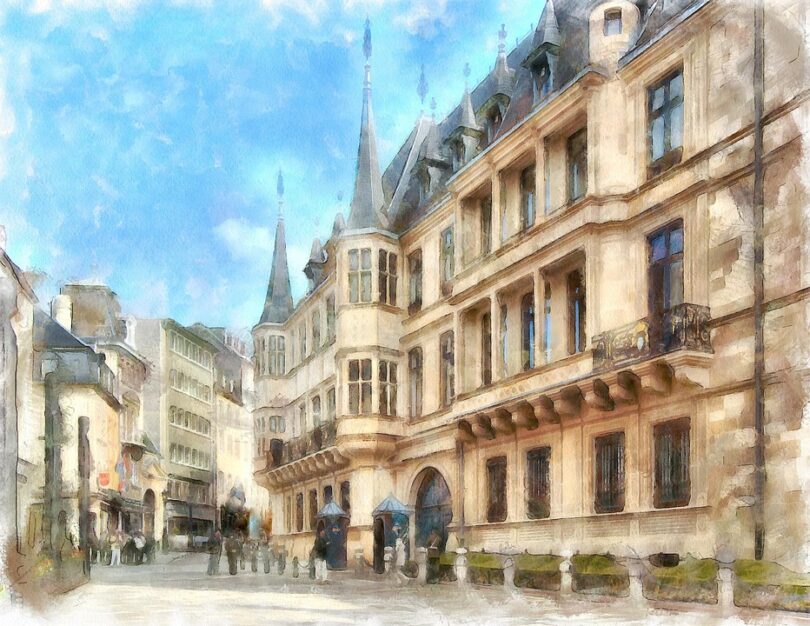
The capital city is a delightful mix of historic architecture and modern amenities. The Old Town, a UNESCO World Heritage Site, features cobblestone streets, the Grand Ducal Palace, and the Bock Casemates, an impressive network of underground tunnels.
2. Vianden Castle
Located in the north of Luxembourg, Vianden Castle is one of the largest feudal castles in Europe. With its stunning views and well-preserved medieval architecture, it’s a must-visit for history enthusiasts.
3. Moselle Valley
The Moselle Valley is famous for its picturesque vineyards and charming villages. A boat trip along the Moselle River will reward you with breathtaking scenery and opportunity to sample local wines.
4. Mullerthal Region
Also known as Luxembourg’s Little Switzerland, this area is known for its stunning rock formations and hiking trails. The Mullerthal Trail offers a unique experience for outdoor lovers.
Cultural Experiences
Luxembourg is a melting pot of cultures, and this diversity is reflected in its cuisine, language, and festivals. Don’t miss trying local dishes like judd mat gaardebounen (smoked pork with broad beans) and gromperekichelcher (potato fritters). Luxembourgish is the national language, but you’ll find that many people speak English, French, and German.
Navigating Luxembourg
Although Luxembourg is small, it’s well-connected through public transportation. The country offers a free public transport system which includes trains, trams, and buses. Renting a bike is also a popular option, especially in the more rural areas.
Shopping and Souvenirs
Luxembourg boasts a variety of shopping options, from luxury boutiques to artisanal shops. Look for unique souvenirs such as local wines, artisanal chocolate, and handcrafted jewelry. The city center is filled with shops where you can explore local craftsmanship.
Nightlife and Entertainment
Unlike other capitals, Luxembourg City offers a more relaxed nightlife. Many bars and cafes offer a cozy atmosphere, perfect for socializing. For a taste of local music and arts, check out the cultural schedule at venues like the Philharmonie Luxembourg or the Grand Théâtre de la Ville de Luxembourg.
Conclusion
Luxembourg might be small in size, but it offers an incredible variety of experiences for every kind of traveler. From the historical richness of its capital to the breathtaking natural landscapes and vibrant culture, Luxembourg is a destination that warrants attention. Whether you’re planning a weekend getaway or a longer stay, immerse yourself in the unique charm of the Grand Duchy, and you’ll leave with stories and memories to cherish.
FAQs
1. Do I need a visa to visit Luxembourg?
Luxembourg is part of the Schengen Area. Visitors from the EU, as well as many countries, do not need a visa to enter. Check the specific requirements based on your nationality before traveling.
2. What’s the currency used in Luxembourg?
The currency used in Luxembourg is the Euro (€). Credit cards are widely accepted, and ATMs are available throughout the country.
3. Is English widely spoken in Luxembourg?
Yes, English is widely spoken in Luxembourg, alongside Luxembourgish, French, and German. Most locals, especially in urban areas, will be able to communicate in English.
4. What’s the transportation system like?
Luxembourg offers a free public transport system that includes trains, trams, and buses. It is easy to navigate and a great way to explore the country.
5. Are there any safety concerns for travelers?
Luxembourg is considered one of the safest countries in the world. However, like any travel destination, it’s always wise to stay vigilant and practice common safety measures.