

Introduction
Nestled at the confluence of the Rhône and Saône rivers, Lyon is often referred to as the culinary capital of France. With its rich history, vibrant culture, and exquisite cuisine, Lyon attracts food enthusiasts, history buffs, and travelers alike. In this guide, we’ll explore the must-see attractions, delicious dishes, and practical travel tips to make your visit unforgettable.
1. Culinary Delights
Lyon is famous for its gastronomy, with a thriving food scene that includes traditional “bouchons,” local markets, and Michelin-starred restaurants. Here are some must-try dishes:
- Quenelle de brochet: A delicate pike dumpling served with a creamy sauce.
- Tablier de sapeur: A fried dish made from marinated tripe.
- Salade lyonnaise: A hearty salad featuring frisée lettuce, bacon, poached egg, and vinaigrette.
- Coq au vin: Chicken braised with wine, mushrooms, and lardons.
- Nougat de Montélimar: A sweet treat made from honey and nuts.
2. Historic Sites and Attractions
2.1 Vieux Lyon
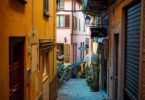
The old town of Lyon, or Vieux Lyon, is a UNESCO World Heritage site filled with narrow cobblestone streets, Renaissance architecture, and hidden traboules—secret passages linking buildings.
2.2 Basilica of Notre-Dame de Fourvière
Perched atop Fourvière Hill, this stunning basilica offers breathtaking panoramic views of the city. Its intricate mosaics and intricate architecture make it a must-see.
2.3 Parc de la Tête d’Or
This expansive park is perfect for a leisurely stroll, picnic, or even a boat ride. With its beautiful botanical garden and free zoo, it’s an oasis for nature lovers.
3. Markets and Local Produce
To truly experience Lyon’s culinary culture, visit its markets. The most famous is the Les Halles de Lyon Paul Bocuse, a covered market featuring some of the finest produce, meats, and cheeses.
4. Festivals and Events
Lyon is known for its vibrant festivals, notably the Fête des Lumières (Festival of Lights) in December. The city transforms into a dazzling display of lights, attracting millions of visitors.
5. Practical Travel Tips
5.1 Getting There
Lyon is easily accessible by train, car, or plane. The Lyon-Saint Exupéry Airport offers numerous international flights, while the city’s train station, Part-Dieu, connects with major French cities.
5.2 Getting Around
Lyon boasts an efficient public transportation system, including trams, buses, and the metro. Consider purchasing a Lyon City Card for unlimited travel and discounts on attractions.
5.3 Best Times to Visit
The best times to visit Lyon are during the spring (April to June) and autumn (September to October) when the weather is mild and festivals abound.
Conclusion
Lyon is not just a destination; it’s an experience that tantalizes the senses. From its rich historical tapestry to its unparalleled culinary offerings, the city invites exploration and indulgence. Whether you are savoring a traditional meal in a bustling bouchon or wandering through its charming streets, Lyon promises to leave a lasting impression. Don’t miss the chance to immerse yourself in this gastronomic paradise on your next trip to France.
FAQs
1. What is Lyon known for?
Lyon is renowned for its vibrant culinary scene, historical architecture, and cultural festivals. It’s often referred to as the gastronomic capital of France.
2. How many days should I spend in Lyon?
A 2-3 day trip is ideal to cover the major attractions and enjoy some local cuisine. However, food lovers may want to stay longer!
3. Is Lyon a safe city for tourists?
Yes, Lyon is generally considered safe for tourists. As in any city, stay vigilant and avoid isolated areas at night.
4. What public transport options are available in Lyon?
Lyon has an extensive public transport network, including buses, trams, and metro lines, making it easy to navigate the city.
5. What should I wear in Lyon?
Wear comfortable walking shoes for exploring the city, and dress in layers to accommodate changing weather conditions, especially in spring and autumn.