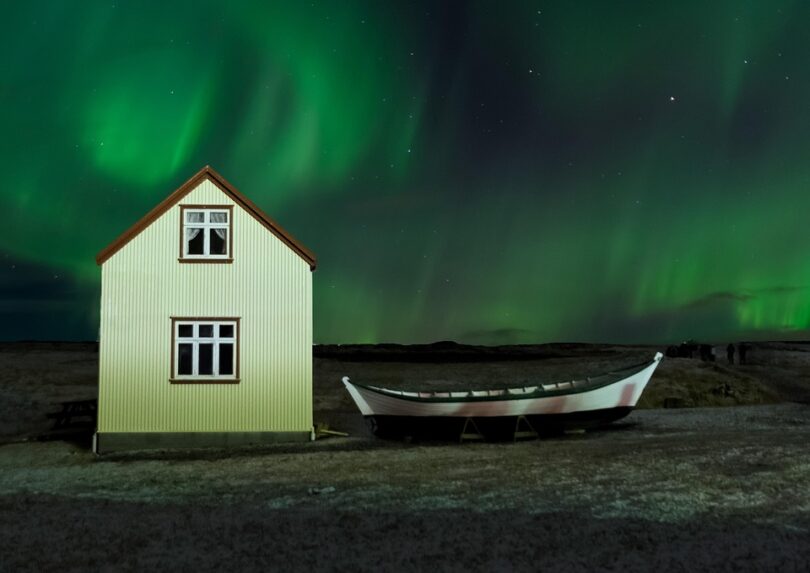


The Northern Lights, or Aurora Borealis, are a breathtaking natural phenomenon that draws travelers to Iceland during winter months. The dances of colorful lights in the night sky are an extraordinary experience that many dream of witnessing. This guide will explore everything you need to know to make your Northern Lights adventure unforgettable, from the best times to visit to ideal locations for optimal viewing.
Understanding the Northern Lights
The Aurora Borealis occurs when charged particles from the sun collide with gases in the Earth’s atmosphere. This interaction creates stunning displays of light, typically in shades of green, pink, and purple. While sightings can occur throughout the year, the best time to view them is between September and April, when the nights are longest.
Best Time to Visit
As mentioned, the peak season for Northern Lights viewing in Iceland runs from late September to early April. However, within this timeframe, the months of October and March are particularly favored due to optimal dark skies and stable weather conditions.
Remember, the weather can be unpredictable in Iceland, and clear skies are crucial for a good viewing. Thus, planning your trip around periods of low moonlight and less cloud coverage can significantly enhance your chances of spotting the auroras.
Top Locations to View the Northern Lights
1. **Thingvellir National Park**: A UNESCO World Heritage Site, this park not only offers stunning landscapes but also a prime location for Northern Lights viewing, thanks to its remote setting and minimal light pollution.
2. **Reykjavik**: While cities usually aren’t ideal for aurora sighting due to light pollution, Reykjavik offers nearby spots like Öskjuhlíð hill and the Grotta lighthouse, making them accessible for urban explorers.
3. **Kirkjufell Mountain**: Known as one of Iceland’s most photographed mountains, it’s an iconic location where you can capture the Northern Lights reflecting off the nearby waterfall.
4. **Jökulsárlón Glacier Lagoon**: The surreal icebergs and serene waters make it a magical spot to witness the auroras dance above.
5. **Hella and Vik**: These towns are situated in South Iceland, providing open landscapes devoid of light pollution, giving viewers an unobstructed view of the night sky.
How to Increase Your Chances of Seeing the Northern Lights
To enhance your chances of successfully seeing the Northern Lights, consider these tips:
- Check the Aurora Forecast: Websites and apps forecast the aurora activity, helping you plan your evening.
- Stay a Few Nights: Extended trips increase your odds of encountering clear skies and auroral activity.
- Join a Tour: Many local companies offer specialized Northern Lights tours that will take you to optimal locations based on current weather conditions.
- Be Patient: The auroras can sometimes be elusive. Waiting for the right moment can make the experience even more rewarding.
What to Bring
When heading out to chase the auroras, make sure you’re well-equipped:
- Warm Clothing: Layering is essential. Wear thermal layers, waterproof jackets, hats, gloves, and insulated boots to stay warm in frigid temperatures.
- Camera Gear: If you’re keen on capturing the Northern Lights, bring a DSLR or mirrorless camera, a sturdy tripod, and a wide-angle lens.
- Snacks and Hot Beverages: Staying nourished and warm will keep your energy up while you wait for the lights to appear.
Photography Tips for the Northern Lights
If you want to preserve the memory of your encounter with the Northern Lights, here are some photography tips:
- Long Exposure: Set your camera for a long exposure time (10-30 seconds) to capture the vibrant colors.
- Adjust ISO: A higher ISO (1600-3200) works well in low-light conditions, but be cautious of noise.
- Manual Focus: Autofocus may struggle in the dark—manually focus your lens for better results.
Conclusion
The Northern Lights are a captivating spectacle that leaves a lasting impression on those fortunate enough to witness them against the backdrop of Iceland’s stunning landscapes. By planning your visit wisely, selecting the right locations, and preparing adequately, you can maximize your chances of experiencing this magical phenomenon. So, pack your warm clothes, bring your camera, and embark on a chase to marvel at the aurora’s ethereal beauty.
FAQs
1. Can I see the Northern Lights in Reykjavik?
Yes, while the city has light pollution, there are several nearby locations where you can see the Northern Lights, such as the Grotta lighthouse and Öskjuhlíð hill.
2. Is it necessary to book a tour to see the Northern Lights?
Booking a tour is not necessary, but it can increase your chances of finding clear skies and guide you to optimal viewing spots.
3. What if I don’t see the Northern Lights during my trip?
It can be disappointing, but the Northern Lights are a natural phenomenon and their appearance is not guaranteed. Extending your trip or trying on multiple nights can increase your chances.
4. Are the Northern Lights visible in the summer?
No, the best time to see the Northern Lights is during the winter months when nights are longer and darker.
5. What should I do if I see the Northern Lights?
Enjoy the moment! Take your time to appreciate the scenery, and if you plan to photograph them, set up your gear without rushing to capture the experience.