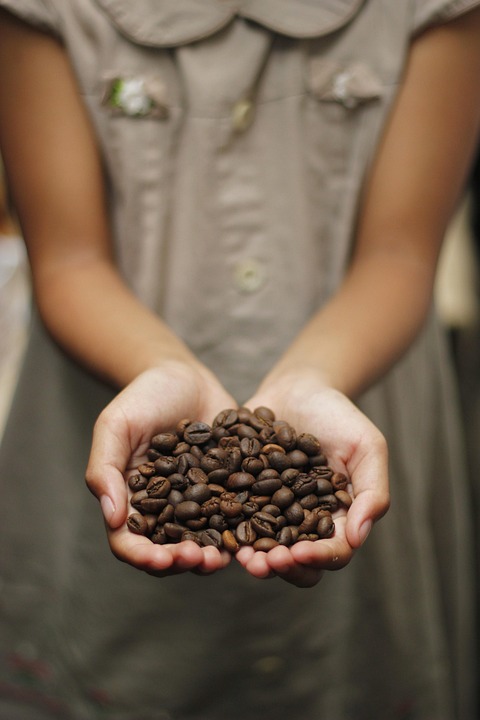


Coffee is more than just a drink; it is a global phenomenon that evokes a sense of community and cultural significance. From the bustling cafes of Europe to street vendors in South America, coffee has an intricate history and an even more remarkable role in society. In this article, we will delve into the diverse aspects of coffee culture around the world, exploring how different regions have embraced coffee in their own unique ways.
A Brief History of Coffee
The origins of coffee can be traced back to the 9th century in Ethiopia, where legend has it that a goatherd named Kaldi discovered the energizing effects of coffee beans after noticing that his goats became unusually lively after eating them. The knowledge of coffee spread to the Arabian Peninsula, where it became an essential part of social life. By the 15th century, coffee was being cultivated in Yemen and was soon brought to Europe, where it gained popularity as a social drink and intellectual stimulant.
Coffee Brewing Techniques Around the World
The method of brewing coffee often reflects cultural traditions and preferences. Here are a few notable techniques from different regions:
1. Espresso – Italy
In Italy, espresso serves as a cornerstone of coffee culture. The drink is made by forcing hot water through finely-ground coffee under pressure, resulting in a rich and concentrated shot of coffee. Italians often enjoy espresso standing up at a bar, emphasizing the social aspect of coffee consumption.
2. Turkish Coffee – Turkey
Turkish coffee is brewed using very finely ground coffee and served unfiltered, allowing the grounds to settle at the bottom. It is often sweetened and served in small cups. The preparation of Turkish coffee is an art form and can take time, fostering conversations and connections among those who enjoy it.
3. Cold Brew – United States
This method has gained popularity in recent years, particularly in the U.S. Cold brew coffee is made by steeping coarsely ground coffee in cold water for an extended period, resulting in a smooth, low-acid drink. It’s often served over ice and is a refreshing choice in warmer months.
4. Siphon Coffee – Japan
A visually striking method, siphon coffee uses a vacuum brewing system that employs both heat and siphoning pressure to brew coffee. This method is not only a brewing technique but also a delightful performance, often witnessed in specialty coffee shops across Japan.
The Role of Coffee in Social Settings
Coffee acts as a social glue in many cultures. In various countries, coffee drinking is a communal affair, often associated with rituals and gatherings:
1. Cafés as Social Hubs
In places like France and Italy, cafés serve as social centers where people gather to converse, read, or watch the world go by. The leisurely pace of sipping coffee allows for interaction and connection among individuals.
2. Coffee Ceremonies in Ethiopia
The Ethiopian coffee ceremony is a ceremonial tradition that involves roasting green coffee beans, grinding them, and brewing them in a traditional pot called a jebena. This elaborate process can last for hours and is a way to bond with family and friends.
Coffee and Sustainability
As the global demand for coffee continues to grow, issues related to sustainability and ethical sourcing come to the forefront. Many organizations are working to ensure fair trade practices, emphasizing the need for environmentally-friendly farming and sustainable production methods. Coffee drinkers are increasingly becoming conscious consumers, seeking brands that prioritize ethical sourcing and environmental stewardship.
Global Coffee Culture in the Digital Age
With the rise of social media, coffee culture has taken on a new dimension. Coffee enthusiasts share their brewing techniques, favorite blends, and café experiences online, creating a global community. Platforms like Instagram and TikTok have become outlets for showcasing visually stunning coffee creations, allowing coffee lovers to connect, exchange ideas, and celebrate their passion for coffee.
Conclusion
Coffee is a rich tapestry of culture, history, and personal connections. From its humble beginnings in Ethiopia to its status as a global phenomenon, coffee continues to evolve, reflecting the diverse societies that embrace it. Understanding the global coffee culture enriches our experience of this beloved beverage, opening doors to new traditions and experiences.
Frequently Asked Questions
1. What is the best way to brew coffee?
The best brewing method depends on personal preference. Popular techniques include espresso, pour-over, French press, and cold brew. Experiment with different methods to find your favorite.
2. How much caffeine is in coffee?
On average, an 8-ounce cup of brewed coffee contains about 95 mg of caffeine, but this can vary based on the coffee bean type and brewing method.
3. What are the health benefits of coffee?
Coffee is rich in antioxidants and has been linked to various health benefits, including improved brain function, a lower risk of certain diseases, and increased energy levels.
4. How can I find ethical coffee brands?
Look for certifications like Fair Trade, Rainforest Alliance, or organic labels. Research brands online to understand their sourcing practices and commitment to sustainability.