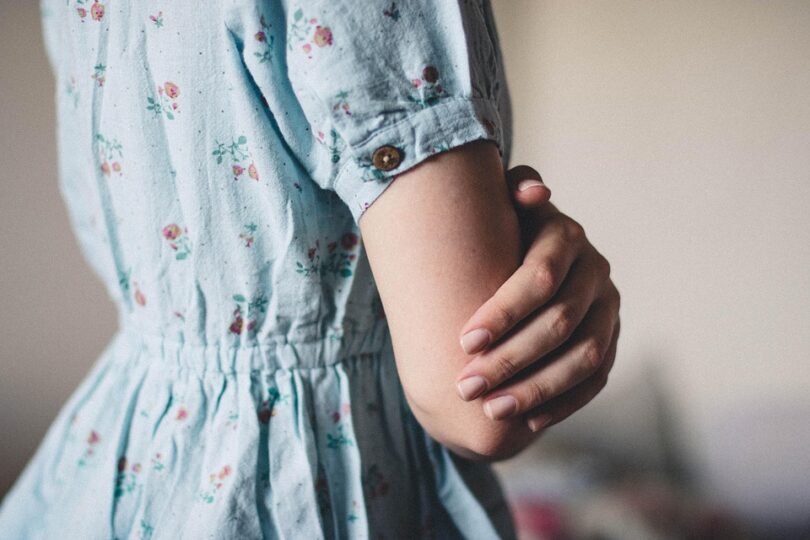


Floral patterns have long been a staple in the world of fashion, but their recent resurgence on the runway signifies a transformative trend. From bold, oversized florals to delicate, intricate designs, flowers have become an essential element of modern attire. This article delves into how floral fashion has evolved and influenced runway styles, exploring key designers, collections, and cultural movements that have shaped this vibrant trend.
The Historical Context of Floral Fashion
The use of floral motifs in fashion dates back centuries, often associated with femininity and beauty. In the 18th century, floral prints flourished in the garments of the aristocracy, especially in Europe. With the Industrial Revolution, the availability of mass-produced fabrics allowed floral designs to infiltrate the wardrobes of the middle class.
During the 1960s and 1970s, floral fashion blossomed as a signature of the counterculture movement. Bright, psychedelic prints reflected a spirit of freedom and rebellion, while designers like Yves Saint Laurent popularized the idea of wearing flowers with elegance. This connection between floral patterns and cultural movements has paved the way for their contemporary revival.
The Resurgence of Floral Patterns in Modern Fashion
In recent years, floral patterns have re-emerged on the runways with newfound energy. Designers are reinterpreting classic floral motifs through modern lenses, creating fresh takes that resonate with today’s fashion enthusiasts. The powerful symbolism of flowers continues to represent growth, renewal, and femininity, making them a natural choice for designers.
Key Designers and Collections
Several designers have made significant contributions to the floral trend. Notable names include:
- Gucci: Alessandro Michele’s flamboyant floral designs have captivated audiences, using a mix of textures and prints to create visual narratives that celebrate nature.
- Valentino: Known for its romantic and ethereal pieces, Valentino has showcased numerous collections featuring delicate floral embroidery and statement prints.
- Etro: This brand utilizes bohemian aesthetics, incorporating vibrant florals into flowing silhouettes, enriching the contemporary wardrobe with a touch of art.
The Role of Social Media Influencers
Social media has also played a pivotal role in the revival of floral fashion. Influencers and fashion bloggers showcase their personal styles, emphasizing floral patterns in everyday wear. Platforms like Instagram and TikTok have allowed floral designs to gain traction among younger audiences, further contributing to its popularity.
Floral Fashion in Street Style
Beyond the glamorous runway, floral patterns have infiltrated street fashion. They have become a symbol of individuality and authenticity, allowing people to express their unique styles. From casual daywear to chic evening outfits, floral designs have proved versatile and accessible.
Types of Floral Patterns
Within this blooming trend, various types of floral patterns have emerged:
- Bold Florals: Large-scale floral prints create a statement and serve as a focal point of an outfit.
- Miniature Florals: Small, delicate prints offer a subtle way to embrace this trend, often found in feminine dresses and blouses.
- Abstract Florals: These designs incorporate artistic interpretations of flowers, often blending them with graphic elements.
Floral Fashion Beyond Clothing
The influence of floral design has extended beyond clothing, permeating accessories, footwear, and even beauty products. Floral patterns on handbags, shoes, and jewelry allow style enthusiasts to incorporate this trend without committing to outfits dominated by floral motifs. The use of floral themes in beauty, such as floral-inspired makeup palettes and fragrances, complements the fashion narrative.
Environmental Considerations
The modern consumer has become increasingly environmentally conscious, and floral fashion aligns with sustainability initiatives. Many designers are focusing on eco-friendly materials and ethical production practices, using floral patterns to represent nature and harmony with the environment. This connection enhances the allure of floral fashion, marrying aesthetics with responsible consumerism.
Conclusion
Floral fashion has undergone a remarkable transformation, evolving from historical roots to contemporary statements on runways and in everyday life. As designers continue to innovate with this beloved motif, the floral trend is projected to flourish further. The balance of traditional aesthetics with modern interpretations ensures that floral patterns remain a vital part of the fashion landscape, symbolizing beauty, renewal, and creativity in a continually evolving industry.
FAQs
1. What can floral fashion symbolize?
Floral fashion often symbolizes femininity, beauty, growth, and renewal.
2. How can I incorporate floral patterns into my wardrobe?
You can start with accessories like scarves or bags, or wear floral dresses, blouses, and skirts for a bolder look.
3. Are floral patterns suitable for all seasons?
Yes! While they are typically associated with spring and summer, darker floral shades can be worn in fall and winter, making them versatile year-round.
4. Which designers are leading the floral fashion trend?
Designers like Gucci, Valentino, and Etro are prominent in showcasing innovative floral designs in their collections.