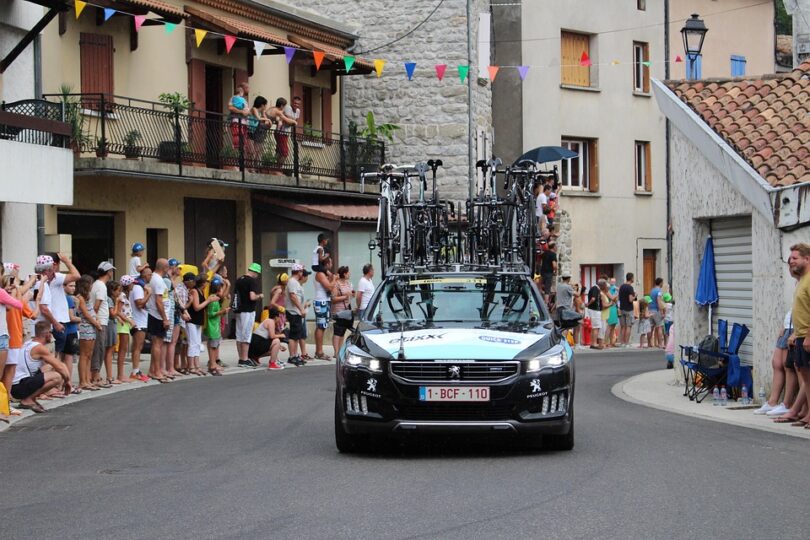


The Tour de France is more than a cycling race; it is a cultural phenomenon that transcends the sport itself. Established in 1903, this annual event attracts millions of spectators and participants from around the globe, showcasing the beauty of France while influencing various aspects of culture, economy, and environmentalism. Through the lens of sports, this article seeks to illuminate the multifaceted cultural impact of the Tour de France.
The Historical Context
The inaugural Tour de France was conceived by the Parisian newspaper L’Auto to increase sales. Since then, it has evolved into one of the most prestigious cycling events worldwide. The thrilling nature of the race, coupled with its challenging routes through picturesque landscapes, has helped forge a collective identity among cycling enthusiasts and local communities.
National Pride and Identity
The Tour de France plays a crucial role in shaping national pride. Each year, the race travels through different regions, showcasing local culture and heritage. The event highlights France’s diverse landscapes, from the rugged Alps to the rolling hills of Normandy, allowing each region to promote its unique traditions and attractions. The race fosters a sense of belonging among the French and strengthens their national identity.
Economic Influence
The economic impact of the Tour de France is profound. The event attracts millions of tourists, and estimates suggest that the race contributes over €100 million to the French economy. Local businesses such as hotels, restaurants, and shops experience a significant boost during the race, creating a festive atmosphere that draws both tourists and locals alike.
Sponsorship and Global Marketing
For many corporations, the Tour de France serves as an unparalleled marketing platform. Brands like Crédit Agricole and LCL have maintained strong associations with the race, benefitting from its immense visibility. Sponsorship deals not only enhance brand value but also reinforce the connection between cycling and lifestyle, motivating people to engage in outdoor activities.
Environmental Awareness
In recent years, environmental concerns have become a focal point of the Tour. The race promotes sustainable practices and raises awareness about climate change. Initiatives, such as encouraging public transport for spectators and reducing plastic waste, demonstrate the race’s commitment to environmental responsibility. Furthermore, cycling as a mode of transportation is showcased as a solution to urban pollution and traffic congestion.
The Role of Cycling Advocacy
Organizations focused on cycling advocacy have leveraged the Tour de France as a forum to promote healthy, sustainable lifestyles. Events like Ride and Walk to Work Month often align with the race, inspiring people to embrace cycling. By showcasing the sport’s benefits, broader conversations about urban planning and development are ignited, emphasizing the importance of bike-friendly infrastructure.
Media and Pop Culture
The Tour de France’s influence extends into the realms of media and popular culture. Coverage of the event, from live broadcasts to social media updates, engages diverse audiences and cultivates a global following. Documentaries, books, and films about the race illuminate personal stories of the athletes and the challenges they face, bringing the human element of sports to the forefront.
The Impact on Youth and Future Generations
The Tour de France serves as an inspiration for younger generations. Schools often incorporate cycling into their physical education programs, aiming to instill a sense of adventure and healthy competition. Many young cyclists dream of competing in the Tour, and this aspiration drives them to refine their skills and pursue fitness.
Conclusion
The Tour de France is not just about the competition; it embodies a rich cultural tapestry woven from history, economics, environmental accountability, and personal stories. As this iconic race continues to evolve, it remains a powerful vehicle for fostering community pride, advocating for environmental issues, and inspiring future generations to embrace cycling as not only a sport but a way of life. The Tour de France is indeed a journey that goes far beyond the finish line, leaving lasting impacts on society.
FAQs
What is the Tour de France?
The Tour de France is an annual men’s cycling race primarily held in France. It’s one of the most prestigious and grueling sporting events in the world.
When did the Tour de France begin?
The first Tour de France was held in 1903.
How does the Tour de France affect the local economy?
The event significantly boosts local economies through tourism, with a marked increase in visitors supporting local hotels, restaurants, and businesses.
What initiatives are in place to promote environmental sustainability during the race?
Efforts include reducing waste, promoting public transportation for spectators, and enhancing awareness about climate change and cycling as a sustainable transportation option.
How does the Tour de France inspire future cyclists?
By showcasing elite athletes and their journeys, the Tour inspires youth to embrace cycling, whether for competition or as a lifestyle choice.