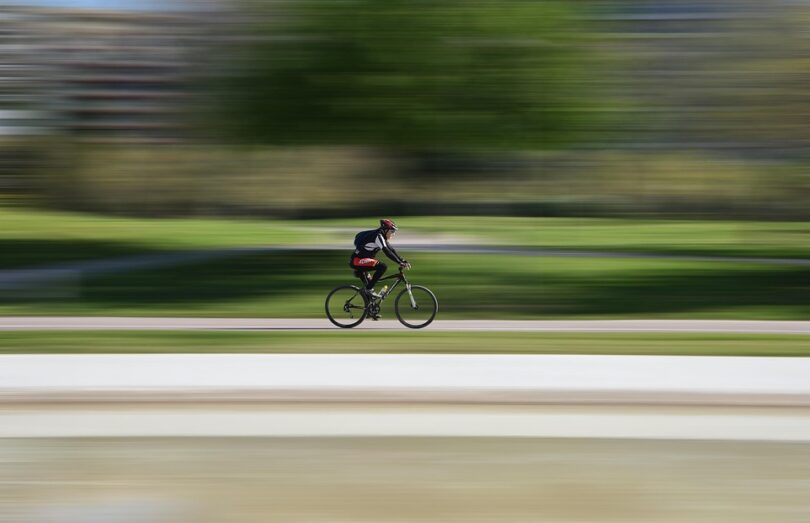


In the world of sports, it’s easy to get caught up in the competition, relentless training, and the pursuit of victory. However, an often overlooked yet essential aspect of being an athlete or a sports enthusiast is maintaining a balanced lifestyle. Embracing a holistic approach not only enhances performance but also contributes to long-term physical and mental well-being.
The Importance of Balance
Balance in a sports lifestyle goes beyond just physical training. It encompasses nutrition, mental health, and social connections. The key components of a balanced sports lifestyle include:
- Physical Fitness: Regular exercise is vital. However, it’s crucial to incorporate various forms of physical activities including strength training, flexibility exercises, and cardiovascular workouts.
- Nutrition: Fueling the body with the right nutrients is essential for performance and recovery. A balanced diet rich in carbohydrates, proteins, fats, vitamins, and minerals is crucial.
- Mental Health: Mental well-being greatly impacts athletic performance. Techniques like mindfulness, meditation, and proper rest can help improve focus and reduce anxiety.
- Social Connections: Engaging with teammates, coaches, and the community fosters a supportive environment that enhances motivation and boosts morale.
Physical Fitness: Beyond Training
While training hard is imperative for any athlete, it should be balanced with adequate recovery time to prevent burnout and injuries. Here are some strategies to maintain physical balance:
- Cross-Training: Incorporate different types of workouts into your routine to avoid overuse injuries and to keep your training regimen exciting.
- Rest Days: Schedule regular rest days to allow your muscles to recover and to avoid mental fatigue.
- Listen to Your Body: Pay close attention to your body’s signals. If you’re feeling tired or in pain, it’s essential to take a step back rather than pushing through.
Nourishing the Body
A balanced diet tailored to your specific sports goals can lead to improved performance and health. Consider the following:
- Hydration: Staying hydrated is crucial for maintaining energy levels and performance during training and competition. Aim to drink plenty of water before, during, and after physical activities.
- Macronutrients: Ensure that your diet includes the right balance of carbohydrates, proteins, and healthy fats. Each plays a vital role in energy production, muscle repair, and overall health.
- Micronutrients: Vitamins and minerals are essential for body function. Incorporate fruits, vegetables, nuts, and seeds into your diet for optimal health.
Mental Health in Sports
The mental game often determines success in sports. Employing strategies to enhance mental well-being can significantly improve performance:
- Mindfulness and Meditation: Practices like mindfulness can help you stay present, reducing anxiety and improving focus during competitions.
- Goal Setting: Set realistic and achievable goals to maintain motivation and track progress. This creates a sense of accomplishment and purpose.
- Seek Support: It’s important to talk about your feelings and mental challenges. Engaging with sports psychologists or trusted mentors can provide valuable support.
The Power of Community
Sports are often more enjoyable when shared. Building relationships with teammates and engaging with your community can create a positive atmosphere:
- Team Bonding: Participate in team-building activities outside of regular training to strengthen relationships and enhance teamwork.
- Community Events: Engage in local sports events, volunteer programs, and family-friendly occasions to expand your network.
Conclusion
Embracing a balanced sports lifestyle requires a commitment to physical health, mental well-being, and connecting with others. By prioritizing nutrition, physical fitness, mental strategies, and social interactions, athletes and sports enthusiasts can significantly enhance their performance and enjoyment of the game. Ultimately, it’s about more than just winning; it’s about fostering a vibrant, well-rounded way of life beyond the game.
FAQs
1. How can I maintain a balanced diet while training for a sport?
Focus on incorporating a variety of foods from all food groups. Meal prep can help ensure you have nutrient-dense snacks and meals on hand.
2. What are some effective recovery strategies after intense training?
Consider incorporating active recovery, such as light yoga or stretching, proper hydration, and restorative sleep to enhance recovery.
3. How can I improve my mental health as an athlete?
Techniques such as mindfulness meditation, talking to a sports psychologist, and practicing relaxation exercises can significantly improve mental well-being.
4. Why is social support important in athletics?
Having a strong support system can boost motivation, enhance teamwork, and provide a sense of belonging, which is vital for performance and enjoyment in sports.