


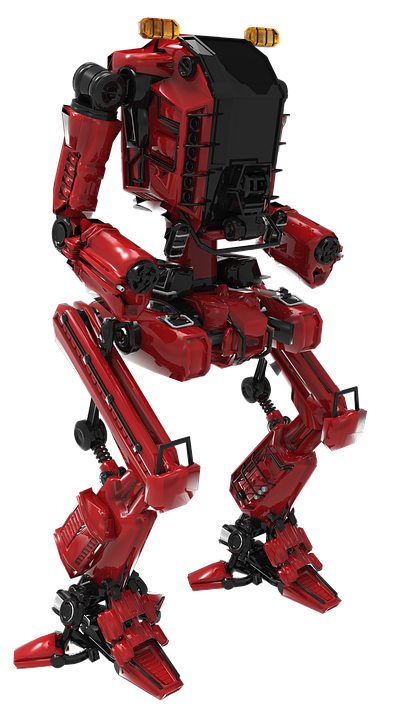


As we progress further into the 21st century, the landscape of robotics is evolving rapidly. With advancements in artificial intelligence (AI), machine learning, and materials science, robotics is poised to revolutionize everyday life in ways we might not yet fully comprehend. Beyond mere automation, the future of robotics promises to enhance our daily experiences and enrich our lifestyles.
The Rise of Intelligent Robotics
Historically, robots were designed to perform repetitive tasks, primarily in industrial settings. These robots have been pivotal in enhancing productivity and efficiency. However, the new wave of robotics transcends basic automation. Intelligent robots equipped with AI and machine learning capabilities can learn and adapt to their environments, making them highly versatile and functional.
Smart Home Robots
Imagine walking into your home and having an automated assistant that understands your preferences. Smart home robots like the Roomba and automated cooking assistants such as the Thermomix are already reshaping how we interact with household tasks. Future developments could lead to advanced systems that manage our homes autonomously, learning from our habits, optimizing energy usage, and even providing companionship.
Healthcare Revolution
In the healthcare sector, robotics is on the frontline of innovation. Surgical robots, like the da Vinci system, enable greater precision and minimum invasiveness. Additionally, robots equipped with AI can assist in diagnostics by analyzing patient data to identify health risks early. Projects like robotic exoskeletons are redefining rehabilitation for individuals with mobility impairments, thereby enabling a more independent lifestyle.
Implications for Transportation
The transport industry stands to benefit immensely from advancements in robotics. Autonomous vehicles are becoming a reality, promising safer roads and more efficient travel. Companies like Tesla and Waymo are pioneering self-driving technologies, aiming to reduce traffic accidents significantly and streamline urban transportation systems. The shift towards electric and autonomous vehicles could lead to major urban transformations, reshaping city infrastructure and public transport.
Robotics in Education
As robotics becomes increasingly integrated into everyday life, education systems are also adapting. Schools are beginning to incorporate robotics into their curricula to prepare students for future job markets. Robotics kits like LEGO Mindstorms and educational platforms such as VEX Robotics encourage creativity and problem-solving skills among students. These programs not only foster interest in STEM fields but also equip students with essential skills for an evolving workforce.
Robotics Competitions
Imagine students from all over the world coming together to compete in robotics challenges. Events such as FIRST Robotics Competitions encourage teamwork, innovation, and engineering skills. Participating in these competitions enhances students’ ability to think critically and collaborate effectively — skills that are crucial in any career.
Addressing Ethical Considerations
As we embrace the benefits of robotics, we must also address ethical considerations. Issues like privacy, data security, and job displacement raise concerns that society must tackle. Policymakers, technologists, and the public must collaborate to create frameworks that ensure responsible development and deployment of robotic technologies.
Job Displacement and Creation
While some fear that robots may replace human jobs, history shows that technological innovations often lead to job transformation rather than elimination. New roles will emerge that involve managing, maintaining, and improving robotic systems. Investing in workforce training and reskilling programs will be essential to prepare workers for this shift.
Conclusion
The future of robotics in everyday life is not merely about automation but about enhancing human capabilities and improving quality of life. From smart homes to healthcare breakthroughs, the implications of robotics are vast and transformative. As we navigate this robotics-driven future, it is imperative to address the ethical challenges posed by these technologies, ensuring that their integration benefits society as a whole.
FAQs
1. What are the most common applications of robotics in daily life?
Robotics is commonly used in smart homes (like robots for cleaning), healthcare (surgical robots, rehabilitation robots), transportation (autonomous vehicles), and education (robotics kits for schools).
2. How will robotics impact the job market?
While some jobs may be automated, new roles related to robotic maintenance and management will emerge. It is important to focus on reskilling and preparing the workforce for these changes.
3. Are there risks associated with robotics?
Yes, risks include privacy concerns, data security, and ethical considerations about the impact of robots on employment. Addressing these issues is crucial for responsible development.
4. What are some examples of advanced robots currently being used?
Examples include surgical robots like the da Vinci surgical system, autonomous vehicles from companies like Tesla, and collaborative robots (cobots) used in industries for tasks alongside human workers.
5. How can I learn more about robotics?
There are many resources available, including online courses, robotics clubs for students, and community workshops. Universities also offer degree programs focused on robotics and AI.


