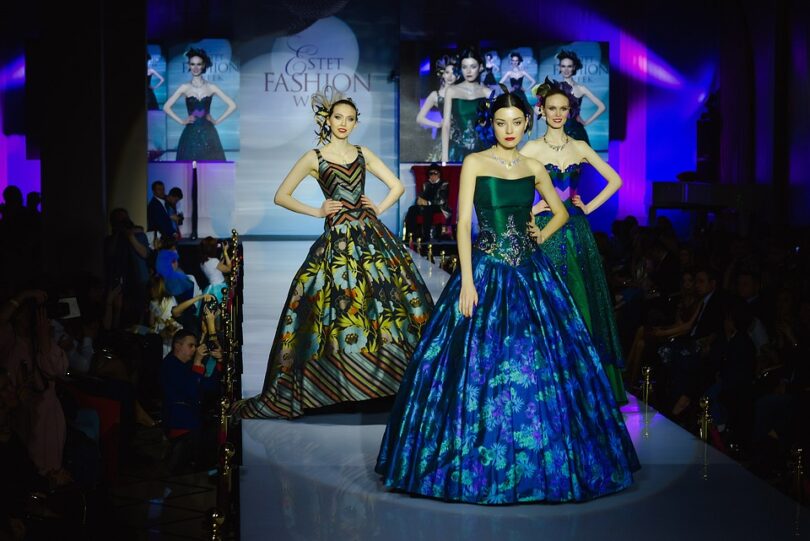


Fashion shows are often seen as glamorous events showcasing the latest trends, collections, and designs from top designers and brands. However, what the audience sees on the runway is just the tip of the iceberg. Behind every successful fashion show lies a meticulously planned and executed production. This article dives deep into the intricate processes involved in fashion show production, highlighting the roles of various professionals, the preparation, and the challenges faced during the event.
The Pre-Production Phase
The pre-production phase is where the foundation for the entire fashion show is laid. It involves multiple steps, including concept development, budgeting, and scheduling.
Concept Development
A fashion show begins with a clear vision. Designers collaborate with producers to conceptualize the show, defining themes, color schemes, and overall aesthetics. This is crucial as it sets the tone for everything that follows.
Budgeting
Once the concept is established, the budget comes into play. Fashion shows can be expensive, and producers need to allocate funds for venue rental, models, lighting, sound, and other essential elements. A detailed budget helps prioritize spending and ensures that the show stays within financial limits.
Scheduling
With a set budget and concept, producers create a timeline leading up to the show. This includes booking venues, hiring staff, and scheduling rehearsals. Time management is critical, as delays can wreak havoc on the entire production.
The Team Behind the Show
A successful fashion show doesn’t just happen; it requires a diverse team of professionals working together harmoniously.
Fashion Show Producer
The producer is the mastermind behind the show. They oversee the entire process, coordinating between various teams and ensuring that every detail is executed flawlessly.
Director and Choreographer
The director works closely with the producer, taking charge of the artistic vision and flow of the show. The choreographer designs the model’s movements, ensuring that they reflect the designer’s vision while also making the best use of the runway space.
Set and Lighting Designers
The set designer creates the physical environment for the show. This includes stage design, props, and backdrop arrangements. Simultaneously, lighting designers work to create an atmosphere that enhances the designs on display, using different lighting techniques to highlight specific elements.
Models
Models bring the designer’s creations to life. Casting the right models is essential; they need to embody the aesthetic the designer envisions while also being capable of walking the runway gracefully.
Hair and Makeup Artists
Hair and makeup artists play a critical role in completing the overall look. They collaborate with the designer and stylist to create a cohesive appearance that aligns with the fashion theme.
Logistics and Rehearsals
With the team in place, logistics come into play. This includes everything from transporting models and clothes to the venue to ensuring that all technical aspects are ready for the show.
Run-Throughs
Rehearsals are crucial for a seamless show. They allow the cast and crew to practice the choreography and manage timing. Run-throughs are often conducted on-site, giving everyone a chance to familiarize themselves with the runway and other elements.
Technical Rehearsals
During technical rehearsals, the lighting, sound, and other technical aspects are tested. This step is crucial, as it allows the team to identify any potential issues and rectify them before the actual show.
Show Time: Execution
Day of the show arrives, and the excitement is palpable. However, this is also when the highest levels of stress occur. Last-minute adjustments often take place, and clear communication is essential among all team members.
Finalizing the Set
As the show approaches, the team finalizes the set design, ensuring everything is positioned correctly, and all lighting is set to enhance the mood of the show.
Backstage Management
Backstage management becomes vital during this time. Coordinating with models, ensuring they are dressed on time, and keeping everyone in the right place is paramount to a successful run.
Conclusion
Fashion show production is an intricate and collaborative effort that combines creativity with logistics. Behind the glitz and glamour lies a team of dedicated professionals working tirelessly to bring the designer’s vision to life. Understanding the processes involved enhances appreciation for the art of fashion show production, showcasing not just the designs, but the hard work and passion that fuels this dynamic industry.
FAQs
What is the main role of a fashion producer?
A fashion producer is responsible for overseeing the entire production process, coordinating various teams, and ensuring that the show runs smoothly from concept to execution.
How long does it take to plan a fashion show?
The planning phase can range from a few weeks to several months, depending on the scale and complexity of the show.
What are the most challenging aspects of fashion show production?
Coordination, time management, and adaptability to last-minute changes are some of the most challenging aspects of fashion show production.
Why is rehearsal important?
Rehearsals allow the team to practice and perfect their roles, ensuring that everything runs seamlessly during the live show.