

Action cinema has evolved drastically since its inception, reflecting societal changes, technological advancements, and shifts in audience expectations. From the early days of silent films to the modern age of CGI and franchise phenomena, action films have consistently provided audiences with thrilling, heart-racing entertainment.
Early Beginnings: Silent Films and the Birth of Action
The roots of action cinema can be traced back to the silent film era in the early 1900s. Movies like The Great Train Robbery (1903) showcased the potential for excitement through visual storytelling. Directed by Edwin S. Porter, this short film utilized innovative editing techniques and a compelling narrative that captivated audiences. The 1920s and 1930s introduced serial films, characterized by cliffhangers and adventure-filled episodes. These films laid the groundwork for what would become a staple of action cinema.
The Golden Age of Action: 1940s to 1960s
The 1940s and 1950s marked a significant transformation in action cinema. With the advent of sound and Technicolor, filmmakers were able to create more engaging and visually stunning stories. Films like The Adventures of Captain Marvel (1941) and the rise of Westerns, such as Stagecoach (1939) and The Searchers (1956), garnered immense popularity. Meanwhile, the burgeoning world of espionage films, highlighted by From Russia with Love (1963), laid the groundwork for future action heroes.
The 1970s: The Rise of the Action Hero
The 1970s ushered in a new archetype—the action hero. With stars like Bruce Lee, Arnold Schwarzenegger, and Sylvester Stallone, films took on a more physical and explosive dimension. Enter the Dragon (1973) revolutionized martial arts in cinema, showcasing Lee’s unparalleled skills and charisma. While Stallone’s Rocky (1976) and Schwarzenegger’s Conan the Barbarian (1982) established a new kind of masculinity in film—one that was larger than life, yet relatable. The decade also witnessed the emergence of franchise filmmaking, as series like Star Wars, released in 1977, became cultural phenomena.
The 1980s: Explosive Blockbusters and Iconic Franchises
The action genre exploded in the 1980s, with blockbuster hits dominating the box office. Directors like John McTiernan and James Cameron introduced high stakes and elaborate set pieces. Movies such as Die Hard (1988) and Terminator 2: Judgment Day (1991) shifted the focus to intricate plots intertwined with relentless action. This era also emphasized the importance of special effects, leading to thrilling visuals that captivated audiences worldwide. The introduction of iconic characters, such as John McClane and the Terminator, paved the way for franchises that are still popular today.
The 1990s to 2000s: The Age of CGI and Globalization
The advent of computer-generated imagery (CGI) in the 1990s revolutionized action cinema. Films like The Matrix (1999) pushed the boundaries of visual effects, combining philosophical themes with groundbreaking technology. This era also saw an increase in global cinema’s influence, with movies from Hong Kong, like Hard Boiled (1992) and Bad Boys (1995), showcasing a new style of action choreography. The globalization of action films expanded audiences worldwide, leading to the rise of international stars, such as Jackie Chan and Jet Li.
Modern Day Action: Trends and Innovations
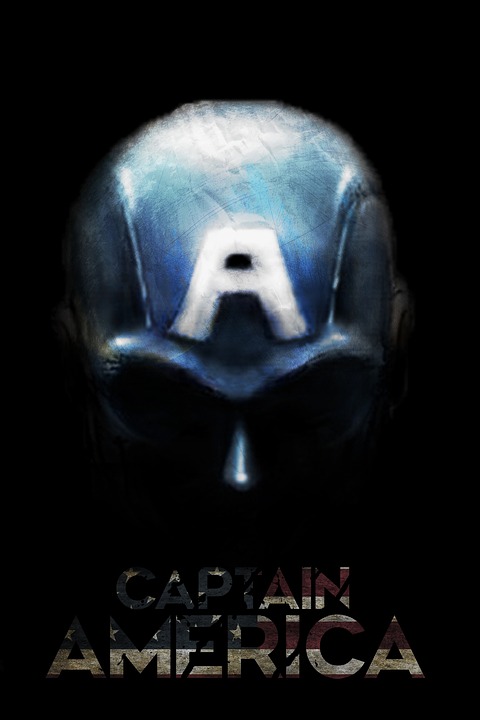
In the 2010s onwards, action cinema has evolved once more. The rise of franchises like the Marvel Cinematic Universe (MCU) and the resurgence of spy films, exemplified by the James Bond series, have garnered immense box office success. The integration of diverse storytelling and character development has led to an enriched genre that resonates with wider audiences. Furthermore, streaming platforms have altered how action films are produced and consumed, allowing for innovative storytelling and niche genres to thrive.
Conclusion
The evolution of action cinema is a testament to humanity’s desire for excitement, escapism, and connection. From its humble beginnings in silent films to the dazzling spectacles of modern blockbusters, the genre continues to adapt and redefine itself. As technology advances and societal norms shift, action cinema will likely continue to thrill and captivate audiences for generations to come.
FAQs
What defines an action film?
An action film is characterized by its focus on physical feats, including fights, chases, explosions, and stunts. It often emphasizes high-energy sequences and thrilling visuals over complex narratives.
Who are the most influential action stars?
Some of the most influential action stars include Bruce Lee, Arnold Schwarzenegger, Sylvester Stallone, Jackie Chan, and more recently, stars like Dwayne Johnson and Tom Cruise.
How has technology changed action films?
Technology has significantly enhanced action films, particularly through the use of special effects, CGI, and advanced camera techniques. These innovations allow filmmakers to create more immersive and visually stunning sequences.
What trends are emerging in contemporary action cinema?
Contemporary action cinema is increasingly focusing on diverse representation and character-driven stories, alongside high-stakes action sequences, appealing to a broader audience.