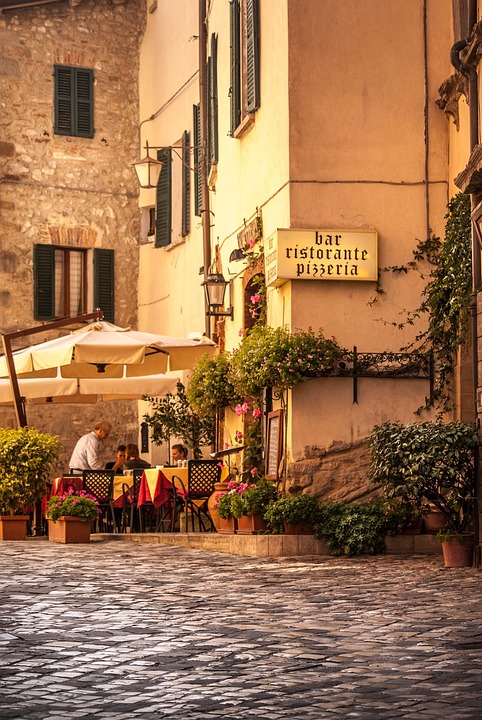


Paris, known as the City of Light, is equally renowned for its vibrant café culture. These cafés have played a significant role in the social, political, and cultural fabric of the city. The history of Parisian cafés is a tale of evolution, where the simple act of sipping coffee or having a meal transformed into a social phenomenon that mirrors the city’s own growth.
Roots in the 17th Century
The roots of the Parisian café can be traced back to the late 17th century. The first coffeehouse, Le Procope, opened in 1686 and quickly became a hub for intellectual exchange among writers, philosophers, and artists. This period marked the beginning of cafes as spaces where ideas could flourish, leading to the Enlightenment.
20th Century: The Café as a Cultural Institution
By the 20th century, cafés became synonymous with Parisian life. Establishments like Café de Flore and Les Deux Magots were frequented by literary giants such as Ernest Hemingway, James Joyce, and Simone de Beauvoir. These cafés turned into intellectual battlegrounds, where the existentialist philosophy was debated over coffee and croissants.
The Surrealistic Movement
In the 1920s, the Surrealist movement further integrated itself into the café culture. Artists and writers would gather to discuss avant-garde ideas, producing works that challenged societal norms. The café served as a canvas for creativity, where conversation often sparked revolutionary artistic expressions.
The Post-War Era and the Café Renaissance
Post-World War II, the Parisian café underwent a renaissance. This era saw an influx of American culture, with jazz music and new dining experiences emerging. Cafés like Le Café de Paris showcased this change, blending traditional French cuisine with international influences. The café continued to be a meeting place for artists and thinkers, adapting as society evolved.
Modern Cafés: A Blend of Tradition and Innovation
In recent years, the landscape of Parisian cafés has changed yet again, with a surge in specialty coffee shops and modern bistros. Contemporary cafés aim to blend traditional aesthetics and flavors with innovation. While some maintain the classic Parisian vibe, others provide a fresh take on café culture, focusing on artisanal brews, organic ingredients, and community engagement.
The Impact of Technology
Technology has also played a role in reshaping the café experience. With the rise of Wi-Fi and mobile ordering, cafés are no longer just places for food and drink; they have become extensions of our work and leisure environments. Yet, many traditional cafés remain steadfast in preserving the essence of what made them iconic.
Conclusion
The history of Parisian cafés is a microcosm of the city itself—rich, multifaceted, and ever-evolving. From their origins in the 17th century to the modern-day, these establishments have remained a vital part of Parisian life. They encapsulate the spirit of community, creativity, and conversation that defines the city. As new generations of Parisians and visitors alike continue to gather in cafés, they ensure that this cherished tradition endures, adapting to the times while holding true to its roots.
FAQs
1. What is the oldest café in Paris?
The oldest café in Paris is Le Procope, which was established in 1686 and is known for its rich history and connections to famous intellectuals.
2. Are Parisian cafés only for coffee?
No, Parisian cafés serve a variety of beverages, including tea, wine, and cocktails, alongside a diverse menu of food items.
3. Can I experience live music at Parisian cafés?
Yes, many modern Parisian cafés feature live music events, especially jazz, which has a longstanding connection to the café culture.
4. How do I choose a good café in Paris?
Choosing a café often depends on personal preference. Look for a place with a welcoming atmosphere, good reviews, and proximity to your area of interest.
5. Are there any famous cafés for tourists to visit?
Yes, notable cafés like Café de Flore, Les Deux Magots, and Le Café de Paris are popular among tourists for their historical significance and classic ambiance.