


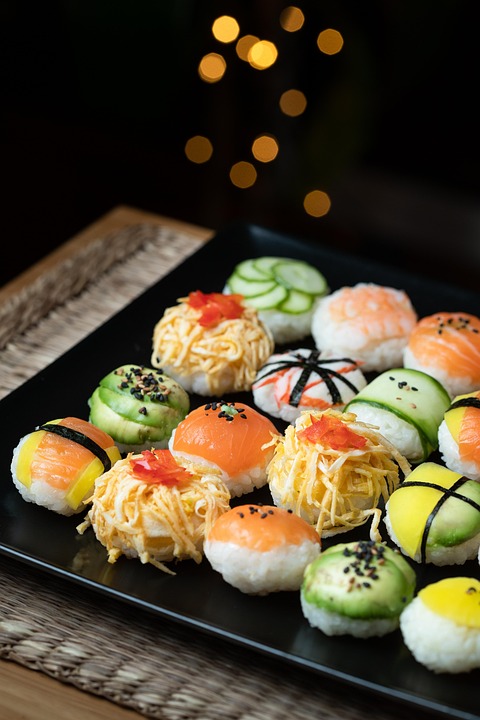


Cuisine is one of the most powerful expressions of culture and identity. Every traditional dish tells a story, reflecting the history, geography, and social practices of the people who created it. From the vibrant spices of Indian curry to the savory flavors of Italian pasta, traditional cuisine is a rich tapestry woven from the threads of diverse human experiences.
The Origins of Cuisine
The roots of traditional cuisine can often be traced back thousands of years. Early humans relied on local resources to survive, which shaped their dietary habits. For example, the ancient Egyptians relied on grains like wheat and barley, while indigenous people in the Americas cultivated maize, beans, and squash.
Over time, trade routes enabled the exchange of ingredients and cooking techniques. The Silk Road, for instance, connected East and West, introducing spices like cinnamon and black pepper to Europe. In this era, food became not just a necessity but also a means of cultural exchange.
Regional Influences on Cuisine
Each region has its distinct culinary identity, influenced by geography, climate, and available ingredients. In Mediterranean countries, olive oil and fresh vegetables dominate dishes due to the region’s climate. Conversely, in colder climates, heartier ingredients like potatoes and grains are prevalent.
Asian Cuisine
Asian cuisine showcases incredible diversity, from the spiciness of Thai food to the subtlety of Japanese dishes. Staple ingredients like rice, noodles, and fresh vegetables create a foundation that varies dramatically based on local preferences and customs.
European Cuisine
European traditional cuisine is incredibly diverse, with each country boasting its unique flavors and cooking styles. Italian cuisine, for example, is known for its use of fresh ingredients, while French cuisine emphasizes technique and presentation. These culinary traditions evolved in response to local availability and sociopolitical influences.
Latin American Cuisine
Latin American cuisine is a fusion of indigenous, European, and African influences. The use of ingredients like corn, beans, and chili peppers reflects indigenous practices, while the presence of spices and cooking techniques from European colonizers adds depth to its flavors.
Tradition and Modernity
Although traditional cuisines are deeply rooted in history, they continue to evolve. Chefs and home cooks alike are blending traditional techniques with modern flavors, creating innovative dishes that pay homage to the past while embracing the present.
Food sustainability has also become a significant concern, prompting many chefs to return to traditional practices. Locally sourced ingredients and sustainable cooking methods are now valued not just for their ecological benefits but also for their ability to preserve age-old techniques.
Culinary Heritage and Identity
For many cultures, traditional cuisine is central to their identity. Family recipes passed down through generations serve as a bridge connecting past and present. Celebrations and rituals often revolve around food, further emphasizing its role in community bonding.
The Importance of Food Preservation
Food preservation is essential for maintaining culinary heritage. Techniques such as fermentation, drying, and curing are not only practical but are also integral to many traditional dishes. These methods enhance flavor and expand the range of available food, allowing communities to thrive even in adverse conditions.
The Globalization of Cuisine
In our interconnected world, traditional cuisines are no longer confined to their regions of origin. Globalization has led to the fusion of culinary practices and ingredients, resulting in exciting new dishes. However, this globalization raises questions about authenticity and cultural appropriation.
While the blending of cuisines can foster appreciation and innovation, it is essential to approach traditional recipes with respect. Understanding the cultural significance of food practices can lead to a more respectful and meaningful culinary exchange.
Conclusion
A culinary journey through the roots of traditional cuisine unveils a world of rich history, cultural identity, and innovative practices. Traditional cuisine does more than fill our stomachs; it connects us to our past and to each other. As we explore and celebrate these culinary heritages, we must also commit to preserving them for future generations, ensuring that the stories behind our food continue to be told.
FAQs
What is traditional cuisine?
Traditional cuisine refers to the cooking practices, ingredients, and dishes that are characteristic of a particular culture or region. These cuisines often reflect the history and geographic characteristics of the area.
How do traditional cuisines evolve over time?
Traditional cuisines evolve due to factors such as globalization, migration, and technological advancements. New ingredients and cooking methods can be incorporated, while local tastes and practices may also shift.
Why is food preservation important?
Food preservation methods help maintain traditional recipes and enhance flavor, making it possible to store food for longer periods. These techniques can play a crucial role in culinary heritage.
How can I explore traditional cuisines in my area?
You can explore traditional cuisines by visiting ethnic restaurants, participating in cooking classes, or attending food festivals that celebrate regional culinary traditions. Engaging with local communities can also provide insights into their cooking practices.


