

French cuisine is known for its elegance, refinement, and exquisite flavors. With a rich history and and strong regional influence, this culinary style has captivated food enthusiasts around the world. In this article, we will explore the essential elements of French cuisine, from its basic ingredients and cooking techniques to iconic dishes that have shaped the culinary landscape.
The Foundation: French Ingredients
At the heart of French cuisine are its fundamental ingredients. The quality of these ingredients greatly influences the overall flavor and authenticity of the dishes. Here are some key components:
- Herbs and Spices: Commonly used herbs include thyme, parsley, and rosemary. Saffron and nutmeg are used sparingly for their aromatic qualities.
- Fresh Produce: Seasonal fruits and vegetables are integral. Regions like Provence boast tomatoes, zucchini, and herbs.
- Cheese: France is renowned for its variety. From Brie to Roquefort, cheese plays a crucial role in many dishes.
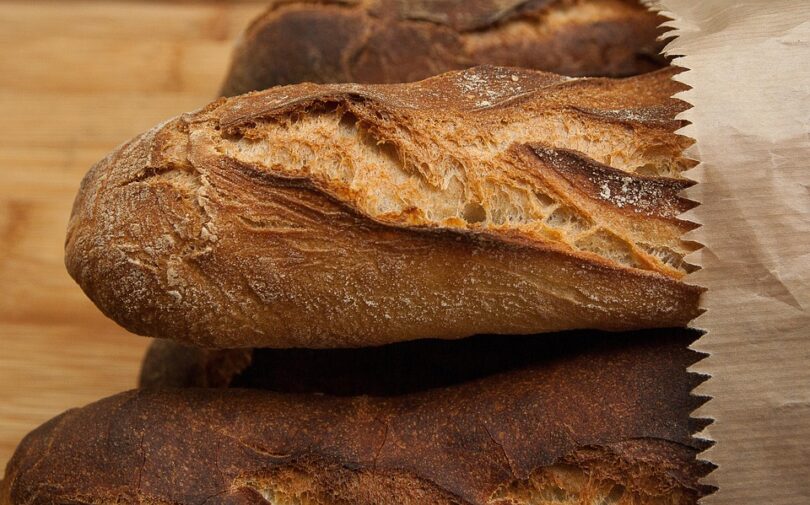
- Meats and Seafood: Baguettes of duck, pork, chicken, and the freshest seafood from coastal areas are common staples.
- Wines: France is a wine powerhouse. Quality wines complement dishes, making meals a sensory experience.
Cooking Techniques: The French Methodology
The French culinary techniques are timeless and widely respected. Chefs worldwide learn these techniques as a foundation for their skills. Here are some essential methods:
- Sautéing: A method that involves cooking food quickly in a small amount of oil or butter over high heat.
- Braising: This involves slow cooking meat or vegetables in a small amount of liquid, resulting in tender, flavorful dishes.
- Roux Making: A mixture of flour and fat is cooked to thicken sauces. Roux is the base for classic sauces like béchamel.
- Poaching: Cooking food gently in liquid at low temperatures ensures tenderness, popular for delicate items like eggs and fish.
Iconic French Dishes
French cuisine boasts an array of dishes that are not only delicious but also reflect the country’s culture and history. Here are some dishes you simply cannot miss:
- Coq au Vin: A traditional dish of chicken braised in red wine, mushrooms, and lardons, showcasing rustic flavors.
- Boeuf Bourguignon: This slow-cooked beef stew, enhanced with red wine, carrots, and onions, represents culinary perfection.
- Ratatouille: A vegetable medley cooked in olive oil, embodying the essence of Provençal cooking.
- Tarte Tatin: Upside-down caramelized apple tart that exemplifies French pastry techniques.
- Crêpes: Thin pancakes filled with sweet or savory fillings, enjoyed as a breakfast or dessert.
Exploring French Pastry
No discussion of French cuisine would be complete without mentioning its legendary pastries. French pastries are known for their delicate textures and rich flavors:
- Éclair: A pastry filled with cream and topped with chocolate icing.
- Macarons: Colorful almond meringue cookies filled with ganache or buttercream.
- Madeleine: A small sponge cake, often flavored with lemon, served with tea.
- Profiteroles: Cream-filled pastry puffs drizzled with chocolate or served with ice cream.
The Influence of French Cuisine Worldwide
French cuisine has greatly influenced culinary practices around the globe. Many other cultures have adopted French techniques and recipes, creating fusion dishes that marry diverse flavors. Culinary institutions worldwide often incorporate French cooking methods into their curriculums, emphasizing the enduring legacy of this cuisine.
Conclusion
French cuisine is not merely about eating; it’s an experience that encapsulates the art of cooking. From its foundational ingredients and essential techniques to iconic dishes and pastries, the culinary journey through French cuisine is one filled with flavor, tradition, and culture. Whether you’re savoring a simple baguette or indulging in a classic gourmet dish, each bite showcases the beauty and depth of this remarkable culinary heritage.
FAQs
1. What are the main characteristics of French cuisine?
French cuisine is known for its high-quality ingredients, meticulous preparation, and elegant presentation. It emphasizes rich flavors, and classic techniques that elevate simple ingredients into gourmet experiences.
2. How has French cuisine evolved over time?
French cuisine has evolved through the influence of regional ingredients, global exchanges, and modern culinary innovations. While maintaining respect for tradition, contemporary French chefs often incorporate international elements into their dishes.
3. What is the significance of wine in French cuisine?
Wine is not only a beverage but also enhances the flavor of food in French cuisine. Paired appropriately, wine complements dishes and adds depth, making the dining experience more enjoyable.
4. Are vegetarian options available in traditional French cuisine?
While traditional French cuisine often focuses on meats and dairy, there are many vegetarian options, particularly in rural and Provençal cooking, where fresh seasonal vegetables play a significant role.
5. How can I learn more about French cooking?
There are numerous avenues to explore French cooking, including cooking classes, online tutorials, and books that focus on French recipes and techniques. Visiting restaurants specializing in French cuisine can also provide inspiration and insight.