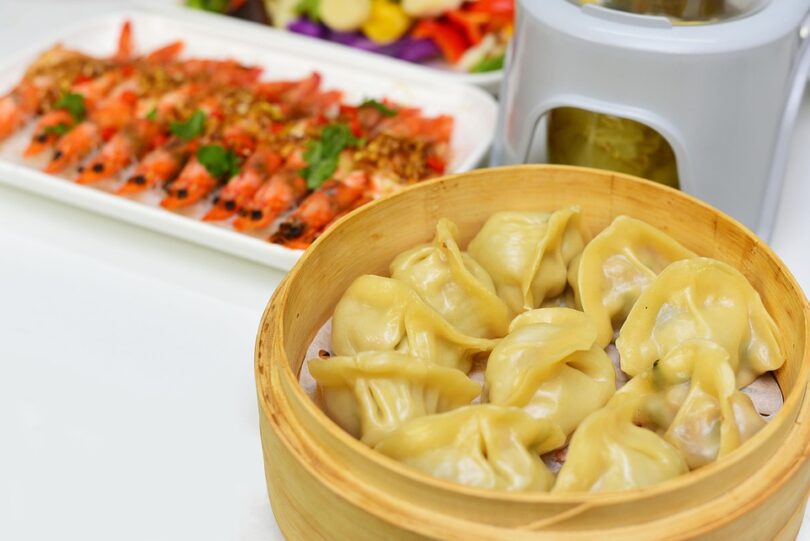


Food is more than just sustenance; it is a vital part of culture and identity. Different regions around the world boast unique culinary traditions that tell stories of their history, geography, and social practices. This culinary journey aims to explore the flavors, cooking techniques, and traditional dishes from various parts of the globe, highlighting how food serves as a common thread that connects us all.
The Spice Route: A Journey through Asia
Asia is often considered the epicenter of culinary diversity. From the fragrant curries of India to the fresh sushi of Japan, Asian cuisine encompasses a plethora of flavors and ingredients. The Spice Route has played a significant role in shaping these dishes; spices like coriander, turmeric, and cinnamon have traveled through peasant markets and royal kitchens alike.
In Thailand, for example, the famous Pad Thai dish is a beautiful amalgamation of sweet, sour, salty, and spicy flavors. Utilizing ingredients like tamarind, fish sauce, and lime, it exemplifies the balance that Thai cuisine is known for. Similarly, Chinese cuisine, with its distinct regional variations, showcases dishes such as Peking Duck and Kung Pao Chicken, which reflect both skillful techniques and cultural significance.
European Elegance: Culinary Crafts from the West
Europe’s culinary heritage is as rich and varied as its history. Each country has its unique flair, traditions, and signature dishes. Italy, for instance, captivates with its emphasis on fresh ingredients and regional specialties. The simplicity of a Margherita pizza or the richness of a risotto offers hints of the nation’s rustic roots and regional diversity.
France, on the other hand, is synonymous with culinary artistry. French cuisine is steeped in tradition, with meticulous techniques revered by chefs worldwide. Dishes like Coq au Vin and Ratatouille not only showcase rich flavors but also provide a glimpse into the regional farming practices and seasonal ingredients that define this culinary landscape.
The Heart of Africa: Savory and Spicy Traditions
African cuisine is a tapestry woven with stories of ancient cultures and communal living. Each region has its flavor profiles, often featuring grains, vegetables, and rich stews. In West Africa, Jollof Rice, a one-pot dish enriched with tomatoes, peppers, and spices, is a staple at gatherings, symbolizing hospitality and sharing.
In East Africa, Uganda’s Luwombo—a rich stew prepared with meat, vegetables, and flavored with groundnut sauce—reflects a deep-seated appreciation for communal meals. The use of local produce and spices creates a distinct character in African dishes, embodying the spirit of the land and its people.
South America: A Fusion of Cultures
South American cuisine is a fascinating blend of indigenous ingredients, European techniques, and African influences. Countries like Peru have gained international acclaim for their culinary innovation. Ceviche, a dish of marinated raw fish, showcases the country’s bountiful seafood and incorporates tropical flavors like lime and cilantro.
Brazil’s feijoada, a black bean stew rich with various cuts of pork, is not simply a dish; it is part of the country’s national identity, often served during social gatherings. The vibrant flavors of Latin American food provide insights into the diverse cultural landscape of this region.
North America: Tradition Meets Modernity
North America’s culinary scene is a melting pot of cultures. The United States, in particular, is known for its regional specialties like Southern Barbecue and New England Clam Chowder. Each dish tells a story of the people who inhabit the land, often reflecting their heritage.
Mexican cuisine, recognized by UNESCO as an Intangible Cultural Heritage, offers a distinct perspective with dishes like Tacos and Mole, celebrating the indigenous ingredients that have shaped its culinary identity. The use of vibrant spices and herbs is a hallmark of Mexican cooking, often symbolizing community and family.
Conclusion
As we travel through various continents and cultures via their cuisines, we discover that food is a universal language that transcends borders. Each traditional dish holds a treasure trove of stories, emotions, and values that reflect the identity of a people. Exploring global flavors allows us to connect not only with distant lands but also with humanity itself, fostering appreciation and understanding. In a world that seems increasingly divided, let us remember that sharing a meal can hold the power to unite us all.
FAQs
- What is the importance of traditional cuisine?
- Traditional cuisine is significant because it captures the culture, history, and principles of the people from which it originates. It serves as a bridge connecting generations and promoting community bonds.
- How do flavors differ across regions?
- Flavors differ across regions due to various factors including available ingredients, climate conditions, and cultural practices that influence culinary techniques and preferences.
- What role does food play in cultural identity?
- Food plays a crucial role in cultural identity as it reflects traditions, history, and the socio-economic factors of a community. It often serves as a form of expression and a way to pass down cultural values through generations.
- Can I recreate global dishes at home?
- Absolutely! Many global dishes can be recreated with local ingredients. There are numerous recipes available online that guide you through the process of making authentic dishes from various cultures.