

Introduction
Spanish cuisine is an intricate tapestry woven from a rich history, diverse cultures, and regional flavors. From the small bites known as tapas to the iconic paella, Spanish culinary traditions offer a feast for the senses. This article explores the origins, significance, and preparation techniques behind these beloved dishes, along with insights into Spain’s diverse culinary culture.
The Art of Tapas
Originating in Andalusia, tapas are small plates meant to be shared. They embody the Spanish spirit of community and conviviality, often enjoyed in bars and restaurants with friends and family. Tapas can range from simple olives and bread to more complex offerings like patatas bravas (fried potatoes with spicy tomato sauce) and gambas al ajillo (garlic shrimp).
History and Evolution
The term “tapa” comes from the Spanish word “tapar,” meaning “to cover.” There is a popular theory that tapas were originally pieces of bread used to cover drinks, preventing flies from getting in. Over time, this custom evolved into a vibrant dining style that showcases the flavors of various regions in Spain.
Popular Types of Tapas
- Patatas Bravas: Fried potatoes served with a spicy tomato and aioli sauce.
- Jamón Ibérico: Cured ham from the Iberian Peninsula, known for its rich flavor and texture.
- Albóndigas: Meatballs often served in a tomato sauce.
- Croquetas: Fried pastries filled with béchamel and various fillings, such as ham or fish.
The Quintessential Paella
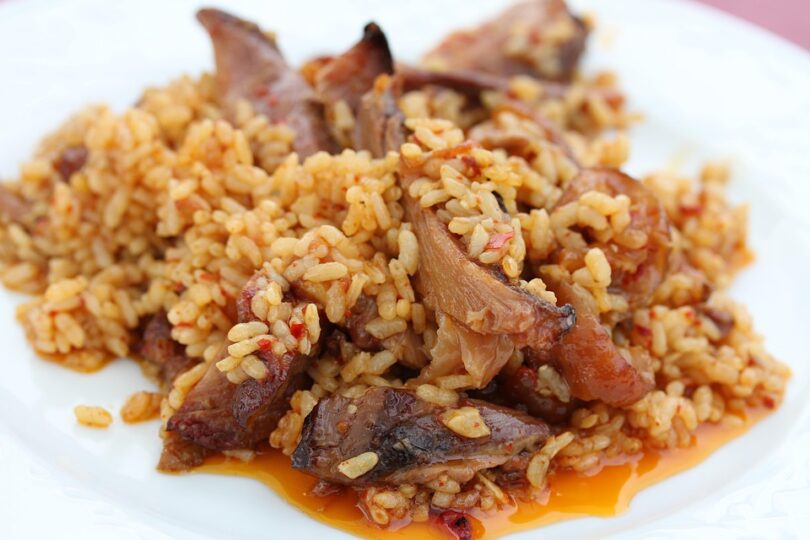
No discussion of Spanish cuisine would be complete without mentioning paella. This iconic rice dish hails from the region of Valencia and is a symbol of the country’s culinary heritage. Traditionally cooked in a wide, shallow pan, paella combines rice with a variety of ingredients, including seafood, meat, and vegetables.
The Origins of Paella
Paella’s origins can be traced back to the mid-19th century in Valencia, where farmers would prepare a meal using whatever ingredients were available—typically rice, vegetables, and the local catch from the nearby rice fields and coast. The dish has since evolved into various regional versions, each with its own unique touch.
Regional Variations
- Paella Valenciana: The traditional version that includes chicken, rabbit, and green beans.
- Seafood Paella: A coastal variation showcasing fresh fish and shellfish.
- Vegetarian Paella: A version made entirely of seasonal vegetables and sometimes beans.
Culinary Techniques and Ingredients
The preparation of tapas and paella often relies on simple yet quality ingredients. Spanish cuisine emphasizes fresh produce, regional meats, and seafood, as well as the importance of olive oil, spices, and herbs.
Essential Ingredients
- Olive Oil: A staple in Spanish cooking, used for frying, dressing, and cooking.
- Rice: Short-grain rice, such as Bomba or Calasparra, is essential for paella.
- Saffron: This precious spice gives paella its distinctive flavor and color.
- Pimentón (Smoked Paprika): Adds depth and smokiness to various dishes.
Conclusion
The exploration of Spanish culinary traditions from tapas to paella reveals a rich tapestry of flavors and techniques that embody the spirit of Spain. Both tapas and paella serve as an emblem of the Spanish way of life, emphasizing communal dining and celebration. As you savor these dishes, you participate in a timeless tradition that transcends boundaries and brings people together, highlighting the importance of food in culture and community.
FAQs
1. What is the difference between tapas and paella?
Tapas are small shareable plates, often served as appetizers or snacks, while paella is a substantial rice dish cooked in a large pan, traditionally served as a main course.
2. Can paella be made vegetarian?
Yes, vegetarian paella substitutes meat and seafood with a variety of seasonal vegetables and sometimes beans, making it flavorful and nutritious.
3. What is the best rice to use for paella?
Short-grain rice varieties like Bomba or Calasparra are preferred for paella because they absorb flavors without becoming mushy.
4. How can I make my tapas authentic?
Using quality ingredients like fresh produce, traditional Spanish spices, and local meats will help you create authentic tapas. Additionally, serve them in a communal style for a true Spanish experience.
5. Why is olive oil important in Spanish cuisine?
Olive oil not only enhances the flavor of dishes but is also a key ingredient in many traditional Spanish recipes, contributing to the culinary culture’s emphasis on freshness and quality.