

Canoeing and kayaking are two exhilarating water sports that offer a unique way to explore rivers, lakes, and oceans. While both activities involve paddling in a boat, they differ in design, technique, and experience. This article will delve into the key differences and similarities between canoeing and kayaking, helping you decide which water sport is right for you.
Understanding the Basics
Canoeing
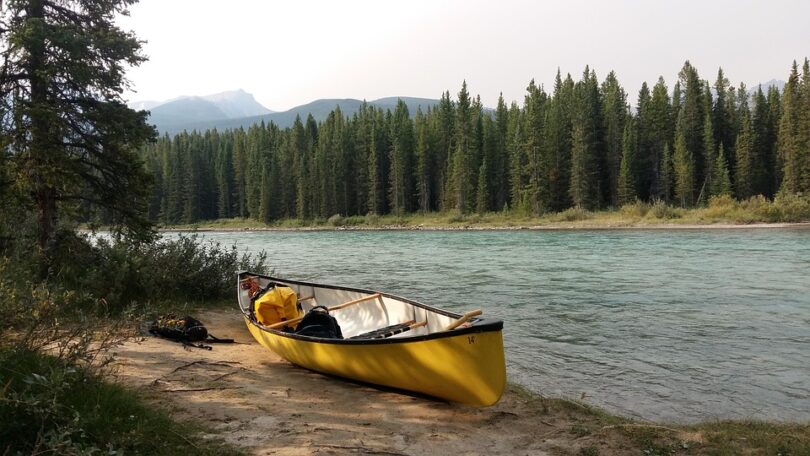
Canoeing is a paddling activity where participants use a single-bladed paddle to propel an open-top boat called a canoe. Canoes are wider and more stable, making them ideal for beginners and families. They are typically more spacious and can hold multiple passengers, making them perfect for leisure outings and exploring calm waterways.
Kayaking
Kayaking involves using a double-bladed paddle to maneuver a closed-top boat known as a kayak. Kayaks are typically narrower than canoes, allowing for increased speed and agility. They are designed for single or tandem paddling, offering a more intimate experience with the water. Kayaking is often associated with more dynamic environments, including rivers with rapids and open ocean waters.
Key Differences
- Design: Canoes are open and allow for more space, while kayaks are closed and offer more protection from the elements.
- Paddle Type: Canoeing uses a single-bladed paddle, whereas kayaking employs a double-bladed paddle.
- Paddling Position: In a canoe, paddlers face forward and often sit on benches. In contrast, kayak paddlers usually sit lower in the vessel, with legs extended in front.
- Stability: Canoes tend to be more stable, making them suitable for calm waters. Kayaks can be more challenging to balance but offer better maneuverability in moving water.
- Speed and Agility: Kayaks are generally faster and more agile, making them preferable for racing or challenging waterways.
Similarities
- Both sports can be enjoyed in various environments, including lakes, rivers, and oceans.
- Both require basic paddling skills, safety knowledge, and respect for the water conditions.
- Both offer opportunities for recreation, exercise, and exploration, fostering a connection with nature.
Choosing the Right Sport for You
Your choice between canoeing and kayaking should depend on several factors:
- Experience Level: If you’re a beginner, canoeing may be the better option due to its stability and ease of use. Kayaking might require more skill, especially if encountering rough waters.
- Intended Use: Consider what you want from your water sport. If you plan leisurely family outings, canoeing might suit you better. If you’re looking for speed or thrilling adventures, kayaking could be the way to go.
- Comfort: Consider the seating and leg positions in both types of boats. Some people may feel more comfortable in the open style of a canoe, while others prefer the enclosed feeling of a kayak.
- Weather Conditions: Kayaks provide better protection from the elements, making them more suitable for cooler weather or harsh conditions.
Conclusion
Both canoeing and kayaking offer fantastic opportunities for adventure on the water. Understanding the key differences and similarities can help you make an informed decision based on your preferences, skill level, and intended use. Whether you choose to glide smoothly across a lake in a canoe or navigate through whitewater rapids in a kayak, both activities promise an enjoyable experience that fosters a deep appreciation for nature.
Frequently Asked Questions (FAQs)
1. Is canoeing or kayaking easier for beginners?
Canoeing tends to be easier for beginners due to its stability and straightforward paddling technique.
2. Can I use a canoe for river paddling?
Yes, canoes can be used for river paddling, especially in calm sections. However, canoeists should be aware of their limitations in fast-moving water.
3. What safety gear do I need for canoeing and kayaking?
Both sports require safety gear, including a Personal Flotation Device (PFD), noise-making device, and possibly a helmet for certain conditions. Always check local regulations.
4. Can I kayak if I don’t know how to swim?
While it’s possible to kayak without knowing how to swim, it is strongly recommended to have basic swimming skills and always wear a PFD.
5. What’s the best environment for canoeing and kayaking?
Both activities can be enjoyed in a variety of environments, from calm lakes and slow rivers to oceans and challenging whitewater. The choice largely depends on the boat type and paddler experience.