

Spain, a vibrant country with a rich history, is renowned for its diverse and sumptuous cuisine. The culinary traditions of Spain vary significantly from region to region, reflecting the local culture, geography, and seasonal ingredients. In this article, we’ll explore the distinct flavors that define the regional dishes of Spain and discover what makes them unique.
1. Andalucía: The Birthplace of Tapas
Andalucía, in the south of Spain, is famous for its tapas culture. These small dishes are often shared among friends and family, making it a social culinary experience. Popular tapas include Gazpacho, a refreshing cold tomato soup, and Patatas Bravas, crispy potatoes served with a spicy tomato sauce. The region is also well-known for its Jamon Ibérico, a high-quality cured ham that has become a symbol of Spanish gastronomy.
2. Catalonia: A Fusion of Flavors
Catalonia boasts a unique culinary identity that blends Mediterranean and traditional Spanish influences. The iconic Pa amb tomàquet, a simple dish of bread rubbed with ripe tomatoes and drizzled with olive oil, showcases the region’s quality produce. Another staple is Escudella i Carn d’Olla, a hearty winter stew made with various meats and vegetables. Catalonia’s seafood dishes are also noteworthy, with Suquet de Peix (a fish stew) being a must-try.
3. Basque Country: Culinary Innovation
The Basque Country is acclaimed for its innovative culinary scene, with concepts like Pintxos, which are small snacks similar to tapas, and Bacalao al Pil-Pil, a cod dish prepared with garlic and olive oil. The region’s focus on local ingredients and contemporary techniques has earned it numerous Michelin stars, making it a hotspot for food lovers.
4. Valencia: The Home of Paella
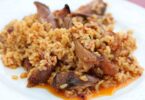
Valencia is synonymous with Paella, arguably Spain’s most famous dish. Traditional Valencian Paella is made with rabbit, chicken, and green beans, flavored with saffron and other regional spices. The coastal location also lends itself to delicious seafood options, with Arroz a Banda being another delectable rice dish popular in the region.
5. Galicia: Seafood and Pilgrimage
Galicia, in the northwest, is known for its fresh seafood, thanks to its extensive coastline. The signature dish, Pulpo a la Gallega (octopus), is typically served with olive oil and paprika. Another specialty is Empanada Gallega, a savory pie filled with a variety of meats or vegetables. The region’s culinary practices are deeply intertwined with its traditions of pilgrimage, especially the famous Camino de Santiago.
6. Castile and León: Hearty and Rustic
Castile and León is home to hearty dishes that reflect the rugged landscape. Cochinillo Asado (roast suckling pig) is a delicacy often served at celebrations. Chuletón, a massive T-bone steak, highlights the region’s rich agricultural and farming traditions. These dishes, accompanied by robust wines from local bodegas, complete the experience.
Conclusion
The culinary landscape of Spain is as diverse as its regions, each offering unique flavors that tell a story of traditions, ingredients, and local customs. From the tantalizing tapas of Andalucía to the hearty meats of Castile and León, Spain’s dishes captivate the senses and foster a deep appreciation for its rich gastronomic heritage. Exploring these regional specialties not only satisfies the palate but also provides a deeper understanding of Spain’s cultural essence.
FAQs
Q: What is the most popular dish in Spain?
A: While many dishes are popular, Paella is one of the most recognized and loved dishes internationally.
Q: What is the difference between tapas and pintxos?
A: Tapas are small dishes served in various regions of Spain, while pintxos are specifically found in the Basque Country and are typically served on skewers.
Q: Are Spanish dishes typically spicy?
A: Spanish cuisine is not known for being overly spicy, although some regional dishes may incorporate flavorful spices like paprika.
Q: What are some common ingredients in Spanish cooking?
A: Common ingredients include olive oil, garlic, tomatoes, saffron, and various meats and seafood, depending on the region.