


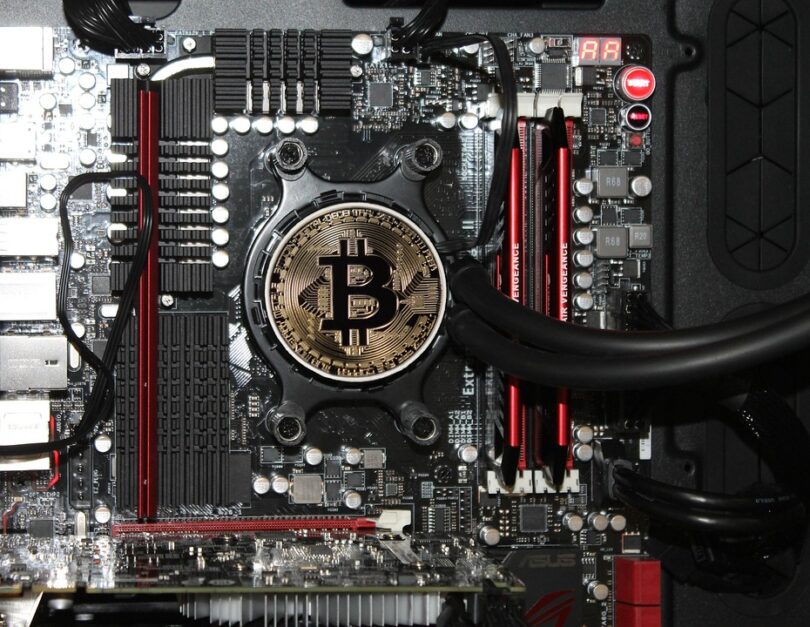


In recent years, cryptocurrency has captured the world’s attention, and among its many components, crypto mining stands out as one of the most enigmatic. Often misunderstood, crypto mining is pivotal to the functioning of many cryptocurrencies, particularly Bitcoin. This article aims to demystify crypto mining by explaining how it works, its significance, and its implications for the broader financial ecosystem.
What is Crypto Mining?
At its core, crypto mining is the process by which new cryptocurrency coins are created and transactions are verified on a blockchain network. It involves using computer hardware to solve complex mathematical problems, which, when solved, validate transactions and add them to the blockchain—a decentralized public ledger of all transactions.
How Does Crypto Mining Work?
To better understand crypto mining, it’s essential to grasp several key concepts:
1. Blockchain Technology
A blockchain is a distributed database that maintains a continuously growing list of ordered records, called blocks. Each block contains a number of transactions, a timestamp, and a reference to the preceding block, making it secure against tampering.
2. Proof of Work
Most cryptocurrencies, including Bitcoin, use a consensus mechanism called Proof of Work (PoW). In PoW, miners compete to solve a cryptographic puzzle, which requires a significant amount of computational power and energy. The first miner to solve the problem gets to add the new block to the blockchain and is rewarded with cryptocurrency.
3. Mining Process
The mining process can be broken down into a series of steps:
- Transaction Broadcasting: When a cryptocurrency transaction occurs, it gets broadcast to the network.
- Transaction Verification: Miners independently verify the transactions by checking their validity against the blockchain.
- Block Creation: Once verified, transactions are grouped together into a block.
- Solving the Puzzle: Miners use their computational resources to solve a complex mathematical problem related to the block.
- Adding to the Blockchain: The miner who solves the puzzle first gets the right to append the block to the blockchain and receives a reward.
Why Does Crypto Mining Matter?
Crypto mining is crucial for several reasons:
1. Securing the Network
Mining is integral to securing the network. The process of solving puzzles and adding blocks ensures that transactions are legitimate and that malicious actors cannot manipulate the blockchain.
2. Decentralization
Mining contributes to the decentralized nature of cryptocurrencies. Unlike traditional financial systems, which rely on central authorities (like banks), crypto mining distributes control among all participants in the network, enhancing transparency and trust.
3. Economic Incentives
Miners are incentivized to participate in the network through rewards, which motivates individuals and organizations to invest in mining operations. The rewards not only compensate for their expenses (like electricity and hardware) but also contribute to the overall supply of the cryptocurrency.
Environmental Impact of Crypto Mining
While crypto mining has benefits, it is not without its criticisms. The energy consumption associated with mining—particularly for cryptocurrencies like Bitcoin—has raised concerns about its environmental impact. The combination of high energy demand and dependence on fossil fuels can contribute to carbon emissions and global warming.
In response, many in the industry are actively exploring more sustainable alternatives. Innovations such as renewable energy sources and more efficient consensus mechanisms like Proof of Stake (PoS) are being developed to mitigate the ecological footprint of mining.
Conclusion
Crypto mining is a fundamental aspect of the cryptocurrency ecosystem, enabling secure and decentralized financial transactions. By understanding the mechanics behind mining, its significance, and its challenges, individuals can better appreciate the role of cryptocurrencies in our evolving financial landscape. As technology advances and the industry matures, the practices surrounding crypto mining will likely adapt to address concerns related to energy consumption and environmental sustainability, paving the way for a more responsible future in the world of digital currencies.
FAQs
1. What equipment do I need for crypto mining?
You typically need specialized hardware called ASICs (Application-Specific Integrated Circuits) for efficient mining, along with software to connect to the blockchain network.
2. Can I mine cryptocurrency on my personal computer?
While technically possible, mining on a personal computer is often unprofitable due to higher electricity costs and competition from specialized mining hardware.
3. What is the future of crypto mining?
The future of crypto mining will likely include more efficient technologies and a greater emphasis on sustainability, with a shift towards less energy-intensive consensus mechanisms.
4. Is crypto mining legal?
The legality of crypto mining varies by jurisdiction. Always check local regulations to ensure compliance with laws related to cryptocurrency and mining activities.


