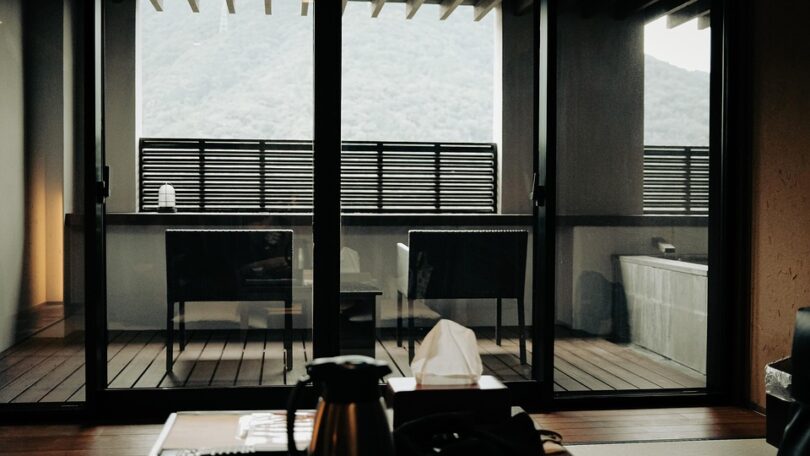


When we think of travel and accommodation, the modern hotel might come to mind with its many amenities and services. However, in Japan, there exists a unique form of lodging known as a ryokan. This traditional inn offers a distinct experience rooted in hospitality, culture, and aesthetic sensibility. In this article, we will explore what makes a ryokan stay so special, capturing the essence of Japanese hospitality that has been honed over centuries.
Understanding Ryokans
A ryokan is more than just a place to sleep; it embodies an entire philosophy of hospitality known as “omotenashi.” This term signifies an anticipatory service, where hosts go above and beyond to ensure guests feel welcomed and valued. Typically adorned with tatami mats, sliding doors (fusuma), and often featuring an onsen (hot spring), ryokans provide an immersive cultural environment where the pace of life slows down.
Traditional Design and Atmosphere
The design of a ryokan is rooted in traditional Japanese aesthetics, characterized by simplicity and harmony. The rooms are often sparse yet elegant, allowing guests to focus on their surroundings and experience tranquility. Natural materials like wood and paper dominate the structure, connecting inhabitants with nature. The incorporation of gardens and views of nature further enhances this peaceful environment, creating a sanctuary for relaxation.
Tatami Rooms
One of the most distinguishing features of a ryokan is the tatami mat flooring. These mats, made from rice straw and covered with a soft woven rush grass, provide a unique seating and sleeping experience. Guests typically sleep on futons laid out on the tatami mats, immersing themselves in authentic Japanese culture.
Exceptional Culinary Experiences
The culinary offerings at a ryokan are another highlight of the experience. Meals are often a multi-course affair known as “kaiseki,” which showcases seasonal ingredients presented in an artistic manner. This culinary tradition emphasizes harmony between flavors and aesthetics, oftentimes incorporating local specialties and fresh produce sourced from nearby farms and fisheries.
The meal is not merely about sustenance; it’s an integral component of the ryokan experience, embodying the principles of balance and beauty. Guests can expect to have their meals in private dining rooms or sometimes directly in their rooms, providing an intimate atmosphere to enjoy their culinary journey.
Onsen Culture
For many, the chance to relax in an onsen is one of the most alluring aspects of staying at a ryokan. Onsens are traditional Japanese hot springs that are renowned for their therapeutic properties. The mineral-rich waters are believed to promote relaxation, relieve stress, and improve skin health.
Staying in a ryokan that offers an onsen takes the experience to another level. Many ryokans feature both indoor and outdoor baths, surrounded by beautiful natural landscapes. The connection to nature enhances the ambience, making a soak in an onsen a rejuvenating and serene experience.
The Role of Service
The hallmark of a ryokan stay is the service provided by the staff. Trained in the art of omotenashi, staff members anticipate the needs of guests, ensuring they have a memorable stay. This may include anything from preparing a traditional tea ceremony to adjusting the temperature of the room or providing insightful recommendations for local attractions. The attention to detail and genuine warmth displayed by the staff create a personal touch that many travelers find unforgettable.
Conclusion
Staying at a ryokan is not merely an overnight accommodation; it is an experience steeped in culture, tradition, and unparalleled hospitality. From the tranquil design of the rooms to the exquisite meals and rejuvenating onsens, each element contributes to a unique retreat. A ryokan offers the traveler a chance to slow down, immerse themselves in the beauty of Japanese culture, and enjoy a form of hospitality that remains unmatched. Whether you are seeking relaxation, an escape from modern life, or a taste of authentic Japanese tradition, a ryokan stay promises to be a memorable journey.
FAQs
What is a ryokan?
A ryokan is a traditional Japanese inn that offers a unique lodging experience, rich in cultural heritage and hospitality.
What should I expect when staying at a ryokan?
You can expect traditional tatami rooms, exquisite kaiseki meals, natural onsens, and a high level of attentive service.
Are ryokans expensive?
Prices can vary widely based on location, luxury level, and available amenities, but many ryokans offer an all-inclusive experience, making it worthwhile.
Can I experience ryokan culture if I don’t speak Japanese?
Yes, many ryokans accommodate international guests and staff often speak English. However, a basic understanding of Japanese customs can enhance your experience.
When is the best time to visit a ryokan?
The best time often depends on the region and your preferences; spring (sakura season) and autumn (foliage) are particularly beautiful times to visit.