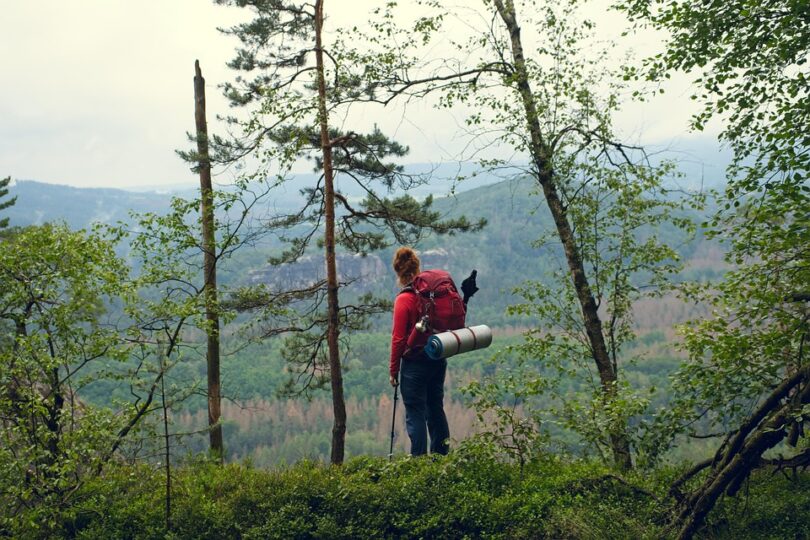


Mountain communities are some of the most picturesque and serene locations on Earth. Interlaced with natural beauty, these areas offer breathtaking landscapes, charming towns, and a unique lifestyle anchored in nature. Whether you are an outdoor enthusiast, a curious traveler, or someone seeking peace away from urban chaos, mountain communities hold a treasure trove of experiences.
Rich Natural Beauty
Mountain landscapes are characterized by towering peaks, lush valleys, cascading waterfalls, and diverse ecosystems. The air is crisp and fresh, filled with the scent of pine and wildflowers. Many mountain regions feature stunning national parks that preserve their natural beauty, allowing visitors to explore hiking trails, engage in birdwatching, and witness unique flora and fauna.
Cultural Heritage
One of the defining aspects of mountain communities is their rich cultural heritage. Many of these towns boast histories steeped in traditions that celebrate their unique environment. Festivals celebrating local crafts, cuisines, and seasonal changes bring communities together and invite visitors to participate in this vibrant culture.
For instance, towns like Telluride in Colorado and Banff in Canada host annual events that showcase local artists and musicians, drawing crowds from far and wide. The traditions run deep, with some communities celebrating indigenous cultures that have lived in the mountains for centuries, adding another layer of depth and understanding.
Outdoor Adventures
Outdoor enthusiasts flock to mountain communities for the endless opportunities for adventure. With activities ranging from skiing and snowboarding in the winter months to hiking, mountain biking, and rock climbing in the summer, these areas provide an adrenaline rush for everyone. The terrain offers challenges for all skill levels, making it a playground for both beginners and seasoned adventurers.
Community and Lifestyle
Life in mountain communities tends to be slower and more connected to nature. Many residents embrace a lifestyle centered around outdoor activities, with a focus on health and well-being. Local farmers’ markets, community gardens, and wellness centers promote sustainable living and local craftsmanship.
The sense of community is strong, with neighbors gathering for events and supporting local businesses. This tight-knit social fabric fosters relationships and encourages a lifestyle deeply rooted in cooperation and mutual respect.
Environmental Awareness
Mountain communities are often at the forefront of environmental awareness. The breathtaking landscapes serve as a constant reminder of the importance of preserving nature. Many towns are implementing sustainable practices, such as using renewable energy sources and promoting eco-friendly tourism. Educational programs aimed at raising awareness about conservation and the preservation of local wildlife help ensure these pristine landscapes remain intact for future generations.
Challenges Faced by Mountain Communities
While mountain communities offer immense beauty and opportunities, they also face several challenges. Climate change is significantly affecting these areas, leading to shifts in weather patterns, reduced snowpack, and increased risk of wildfires. This can impact local economies that depend on tourism and outdoor activities.
Furthermore, there is often a struggle to balance growth and conservation, as increasing numbers of visitors can strain local resources. Community leaders and residents must work together to create sustainable solutions that preserve the natural environment while promoting economic development.
Conclusion
Mountain communities epitomize the charm and richness of life intertwined with nature. From their stunning landscapes to their vibrant cultures, they offer a unique lifestyle and endless opportunities for adventure. While challenges exist, the collective efforts of residents to maintain their environmental integrity and cultural heritage ensure that these magnificent peaks will continue to inspire future generations. A visit to these serene locales not only provides a refreshing escape but also enriches one’s understanding of the delicate balance between humanity and nature.
FAQs
1. What is the best time to visit mountain communities?
The best time to visit varies based on activities. Summer (June to August) is ideal for hiking and outdoor activities, while winter (December to March) is perfect for skiing and snowboarding.
2. Are mountain communities accessible year-round?
Most mountain communities are accessible year-round, although winter traffic may be affected by snow conditions. It’s advisable to check road conditions before traveling in winter.
3. What outdoor activities can I do in mountain communities?
You can enjoy a variety of activities, including hiking, biking, skiing, snowboarding, fishing, and rock climbing, among others, based on the season and local offerings.
4. How can I contribute to the sustainability of mountain communities?
You can contribute by supporting local businesses, practicing Leave No Trace principles, and participating in community conservation efforts.
5. What are some famous mountain communities to visit?
Some notable mountain communities include Aspen and Vail in Colorado, Whistler in Canada, and Chamonix in France, each offering unique attractions and experiences.