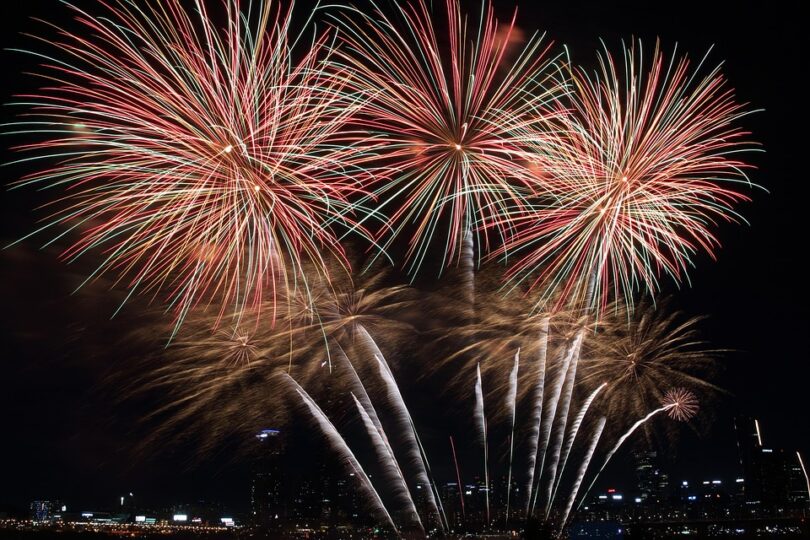


Festivals are vibrant expressions of culture that bring communities together in celebration. From religious observances to seasonal changes, the world’s most iconic festivals offer a glimpse into the local traditions and customs that define humanity. This article takes you on a journey through some of the most celebrated festivals across the globe, exploring their origins, significance, and unique attractions.
1. Carnival in Brazil
Brazil’s Carnival is perhaps the most famous festival globally, attracting millions of visitors each year. Held before Lent, this festival is characterized by vibrant parades, samba music, and extravagant costumes. The city of Rio de Janeiro becomes a hub of activity, with the Sambadrome hosting major samba schools competing in fantastic displays of dance and music.
Significance
Carnival symbolizes the spirit of Brazilian culture, showcasing the creativity and energy of its people. It has roots in Portuguese colonial celebrations and has evolved to embody various Afro-Brazilian influences.
2. Diwali in India
Known as the Festival of Lights, Diwali is celebrated by millions of Hindus, Sikhs, and Jains worldwide. Observed over five days, it symbolizes the victory of light over darkness and good over evil. Homes are decorated with oil lamps, and families gather to share sweets and gifts.
Significance
Diwali celebrates the return of Lord Ram to his kingdom after defeating the demon king Ravana. The festival emphasizes family bonds, spiritual growth, and goodwill.
3. Oktoberfest in Germany
Oktoberfest is the world’s largest beer festival, held annually in Munich, Germany. Lasting 16 to 18 days, it attracts millions of visitors who come to enjoy traditional German food, music, and, of course, beer brewed according to the Reinheitsgebot law.
Significance
Originally a royal wedding celebration in 1810, Oktoberfest has transformed into a massive cultural event, highlighting Bavarian traditions and hospitality.
4. La Tomatina in Spain
Every last Wednesday of August, the town of Buñol hosts La Tomatina, a unique festival where participants engage in a massive tomato fight. This celebration arises from a local tradition dating back to 1945, where young people engaged in a spontaneous food fight during a festival.
Significance
La Tomatina brings a spirit of fun and camaraderie, fostering community spirit and attracting tourists eager for an unconventional experience.
5. Chinese New Year
Chinese New Year, also known as Lunar New Year, is one of the most important festivals for Chinese communities worldwide. The celebrations typically last up to 15 days, marked by family reunions, feasting, and various traditions such as lion dances and firecrackers to ward off evil spirits.
Significance
This festival marks the arrival of spring and symbolizes renewal and the hope for prosperity and good fortune in the coming year.
6. Songkran in Thailand
Songkran is the traditional Thai New Year festival, celebrated from April 13 to 15. It is famously known for its water fights, where locals and tourists alike throw water at each other using buckets, hoses, and water guns.
Significance
Songkran signifies the cleansing of sins and bad luck and emphasizes family togetherness as people return to their hometowns to celebrate with family.
7. Mardi Gras in New Orleans, USA
Mardi Gras, or Fat Tuesday, is celebrated in New Orleans with grand parades, masquerade balls, and a festive atmosphere. The festival is renowned for its colorful beads, elaborate floats, and lively music.
Significance
This vibrant celebration marks the last day of feasting before Lent, with influences from French Catholic traditions and local Creole culture.
Conclusion
Festivals are a testament to humanity’s rich tapestry of culture, showcasing diverse traditions and fostering connections among communities. Whether it’s the electrifying energy of Carnival in Brazil or the serene beauty of Diwali in India, each festival offers a unique glimpse into the values and heritage of its people. Participating in these global celebrations not only enriches our understanding of different cultures but also fosters a sense of unity and joy across borders.
FAQs
1. What is the purpose of worldwide festivals?
Worldwide festivals celebrate cultural heritage, traditions, religious beliefs, and seasonal changes, fostering community bonds and promoting tourism.
2. When is the best time to visit these festivals?
Timing varies by festival. Research each festival’s specific dates and consider local climate and tourism peaks.
3. Are these festivals suitable for families?
Many festivals are family-friendly, offering activities and entertainment suitable for all ages. However, some events may have adult themes, so checking in advance is advisable.
4. How can I participate in a festival as a tourist?
Visitors can participate by attending events, joining local traditions, and respecting the customs and rules of each festival. Buying tickets, if required, is often necessary.
5. What should I wear to these festivals?
Dress codes vary. Comfortable clothing appropriate for the weather is recommended. Some festivals may encourage traditional attire, enhancing the experience.