


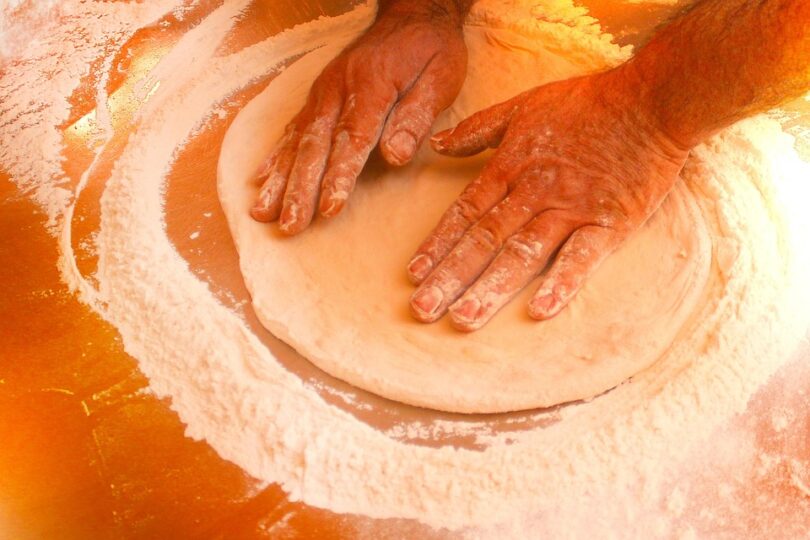


In every family, food holds a place of importance that extends beyond mere sustenance. Recipes often carry more than just the ingredients; they encapsulate stories, memories, and the rich tapestry of cultural heritage. These treasured family recipes, passed down from one generation to the next, are more than just a means of feeding the body—they nourish our souls.
The Importance of Family Recipes
Family recipes serve various functions. They provide a sense of identity and continuity within a family, allowing each generation to connect with its roots. The act of cooking these recipes often becomes a shared experience, creating a bond among family members. Here’s why family recipes hold such significance:
- Cultural Preservation: Many recipes reflect cultural trends and historical events, passing down traditions that might otherwise fade over time.
- Emotional Connections: The scent of a beloved dish can evoke memories of family gatherings, bringing nostalgia and comfort.
- Skills and Knowledge Transfer: Cooking together helps younger generations learn not just how to prepare meals but also skills like patience and teamwork.
Examples of Family Recipes
Throughout history, certain dishes have become emblematic of familial love and tradition. Here are some iconic examples of family recipes that have transcended the generations:
1. Grandmother’s Chicken Soup
Chicken soup is often considered the ultimate comfort food. Many families have their own version, usually passed down from a grandmother who perfected it over years. Ingredients may vary slightly but often include chicken, herbs, vegetables, and a secret seasoning that only she knew.
2. Mother’s Sunday Roast
The Sunday roast is a cherished tradition in many homes, where every Sunday, family members gather for a hearty meal. Whether it’s beef, lamb, or chicken, the associated sides—like roasted potatoes and seasonal vegetables—often follow carefully-followed family recipes.
3. Aunt’s Chocolate Chip Cookies
Chocolate chip cookies symbolize shared joy. An aunt may have a foolproof recipe, perhaps including a special ingredient that enhances flavor or texture. Making and sharing these cookies becomes a rite of passage for younger family members.
The Role of Storytelling in Recipes
Each family recipe often comes with its own story. The tale of how a recipe was created or perfected adds layers of meaning to the dish. For instance, a recipe for a beloved dessert may have originated when a family member needed a sweet to celebrate a milestone. This symbolism can enrich the experience of cooking and eating the dish.
Modern Takes on Traditional Recipes
As cultures converge and innovation flourishes in the culinary world, many are breathing new life into family recipes. People often experiment with healthier ingredients or modern cooking techniques. While the essence of the dish remains, the new interpretations allow families to adjust recipes to suit contemporary tastes or dietary needs.
Passing Down the Tradition
To ensure that family recipes remain alive, it is crucial to involve younger generations in the cooking process. Here are some tips on how to pass down these culinary treasures:
- Cook Together: Make cooking a family activity. Spend weekends preparing a family meal where everyone has a role.
- Document Recipes: Write down family recipes in a dedicated cookbook, highlighting any special stories associated with them.
- Share Experiences: Encourage younger family members to share their experiences and memories related to specific recipes, creating a narrative that extends beyond just cooking.
Conclusion
Family recipes are more than just food. They are a medium through which we express love, preserve our culture, and nurture relationships. Whether it’s a bowl of hearty soup or a gooey cookie, each dish tells a story and brings generations together. By continuing the practice of sharing these recipes, we keep our heritage alive and create new memories to cherish.
Frequently Asked Questions (FAQs)
1. How can I start my own family recipe collection?
Begin by gathering recipes from family members. You can document them in a notebook or create a digital file. Make sure to include notes on preparation and any associated stories!
2. What if I don’t have any family recipes?
You can start new traditions by experimenting with dishes from various cultures that resonate with you. Over time, these can become your family recipes.
3. How do I keep family recipes alive for future generations?
Involve younger family members in the cooking process and share stories behind each recipe. Writing them down or creating a family cookbook can also help preserve these traditions.
4. Can I modify family recipes?
Absolutely! It’s common to adapt recipes to suit modern tastes or dietary preferences. Just remember that the essence of the dish can remain while still being modified.


