


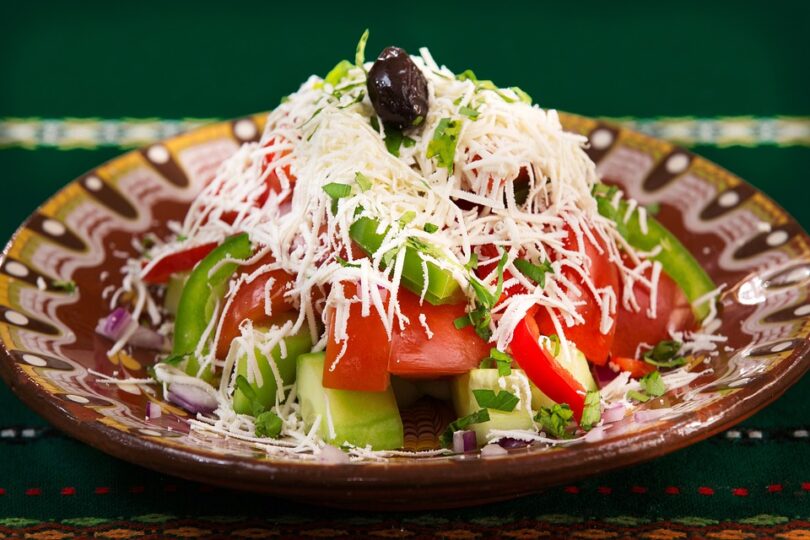


Europe is a continent rich in history, culture, and—perhaps most importantly—culinary diversity. From the sophisticated delights of Paris to the hearty dishes of Prague, European cuisine is a blend of regional ingredients, traditional techniques, and vibrant flavors. This article explores some signature dishes, local ingredients, and culinary traditions that define the gastronomic landscape from France to the Czech Republic.
The Culinary Charm of Paris
Paris, the City of Light, is synonymous with exquisite food and fine dining. French cuisine has influenced culinary practices around the world, emphasizing precision, flavor, and presentation. Key dishes include:
1. Coq au Vin
This classic dish features chicken braised in red wine, accompanied by mushrooms, onions, and bacon. The slow cooking process allows the flavors to meld beautifully. It’s often served with crusty bread or over a bed of fluffy mashed potatoes.
2. Ratatouille
Originating from the Provence region, Ratatouille is a colorful vegetable medley including eggplant, zucchini, peppers, and tomatoes. The dish showcases the bountiful vegetables of summer, making it a favorite for both locals and tourists.
3. Crêpes
No visit to Paris is complete without indulging in crêpes, which can be filled with a variety of sweet or savory options. From Nutella and strawberries to ham and cheese, these thin pancakes offer endless possibilities.
The Allure of Italian Cuisine
As we journey from Paris to Prague, we can’t overlook Italian cuisine. Known for its regional specialties, Italy’s culinary landscape varies from the rich sauces of the north to the olive oil-based dishes of the south.
1. Pasta Carbonara
This Roman classic is made with simple ingredients: spaghetti, eggs, Pecorino Romano cheese, guanciale (cured pork cheek), and black pepper. The sauce is created by mixing the hot pasta with the egg, creating a creamy texture without any actual cream.
2. Risotto
Particularly popular in northern Italy, Risotto is a creamy rice dish cooked slowly with broth. Variations include seafood, mushrooms, and saffron. The key to a perfect risotto is constant stirring, allowing the rice to release its starches and create that signature creaminess.
The Bavarian Flavor of Germany
Continuing our culinary journey, Germany offers hearty, robust flavors that reflect the country’s agricultural roots. Bavarian dishes are particularly noteworthy.
1. Sauerbraten
Pork or beef marinated in a mixture of vinegar and spices, then slow-cooked until tender, Sauerbraten can be found at many traditional German restaurants. It is typically served with red cabbage and potato dumplings.
2. Pretzels
Soft pretzels are a beloved snack, especially in Bavaria. Their distinctive knot shape and golden-brown crust make them irresistible, and they pair perfectly with mustard or cheese dip.
The Rich Flavors of Prague
As we arrive in Prague, the culinary traditions of the Czech Republic reveal a fusion of influences from neighboring countries. Czech cuisine is hearty, focusing on meats, potatoes, and rich sauces.
1. Svíčková
This iconic Czech dish features marinated beef served with a creamy vegetable sauce, often accompanied by dumplings. The flavors are rich and comforting, ideal for the cooler climate of Central Europe.
2. Trdelník
A popular street food in Prague, Trdelník is a sweet pastry rolled in sugar and nuts, then grilled over an open flame. This delicious treat is often filled with ice cream or chocolate, making it a perfect dessert.
Conclusion
The culinary journey from Paris to Prague is a testament to the rich diversity found within European cuisine. Each region boasts unique ingredients, traditional recipes, and historical influences, offering a feast for the senses. Whether it’s the finesse of French cooking, the heartiness of German fare, the comfort of Italian dishes, or the warmth of Czech specialties, each experience deepens our appreciation for the art of cooking and the joy of sharing meals. From luxurious dining to cozy street food, European cuisine continues to enchant and inspire food lovers around the globe.
Frequently Asked Questions (FAQs)
1. What are some must-try dishes in Paris?
Some must-try dishes include Coq au Vin, Ratatouille, and Crêpes, along with classic pastries like macarons and croissants.
2. How can I experience authentic Italian cuisine?
Visit local trattorias or osterias that specialize in regional dishes. Be sure to try handmade pasta and local wines for a complete experience.
3. What is the significance of dumplings in Czech cuisine?
Dumplings are a staple in Czech cuisine, often served as a side dish to meat and gravy-based meals. They are a comforting addition to many traditional dishes.
4. Are there any food tours available in these European cities?
Yes! Many cities offer food tours that guide you through local markets, restaurants, and specialty food shops, allowing you to taste various dishes and learn about their histories.


