


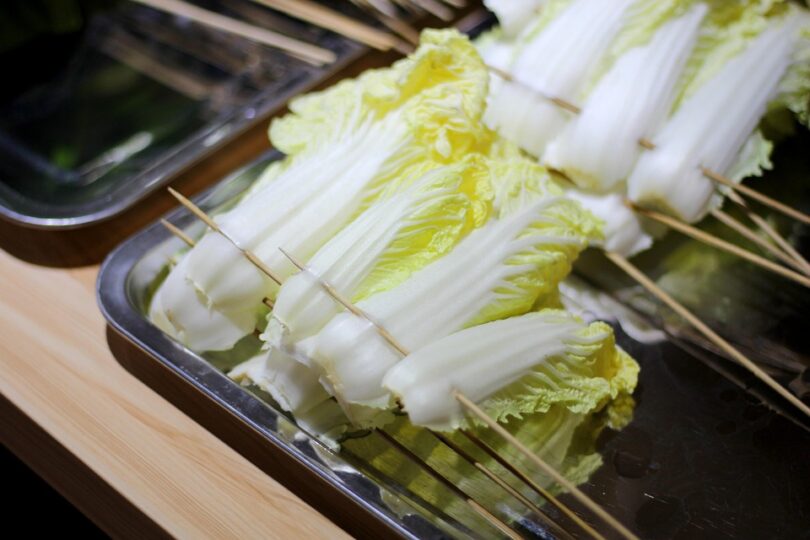


Sichuan cuisine, known for its bold flavors and distinctive spices, is one of the most popular culinary styles in China. Originating from the Sichuan province, this cuisine is renowned for its use of Sichuan peppercorns, garlic, and the famous chili oil. Its unique taste combines spicy, sour, sweet, and salty, making every dish a balance of diverse flavors.
Historical Background
With a history that spans thousands of years, Sichuan cuisine was initially influenced by various other regional dishes and ideas. It evolved significantly during the Qing Dynasty, when it began to emphasize its characteristic spices and preparation techniques. The wet, humid climate of Sichuan led to the development of a cuisine that not only preserved food but also celebrated bold and fiery flavors. The introduction of chili peppers from the Americas further enhanced this cuisine, making it the spicy sensation it is today.
Key Ingredients
Sichuan cuisine relies heavily on a few key ingredients:
- Sichuan Peppercorns: These tiny, red spice balls create a unique numbing effect, known as “mala,” which translates to “numbing and spicy.”
- Chili Oil: A staple in Sichuan kitchens, it adds heat and flavor to many dishes.
- Fermented Broad Beans: Used in sauces and pastes, they provide an umami-rich flavor.
- Garlic and Ginger: Essential aromatics that add depth and complexity to every dish.
- Vinegar: Used to balance the heat and richness with a sour note.
Flavors and Techniques
The hallmark of Sichuan cuisine is its multi-layered flavors. Here are some techniques commonly used to enhance the dish’s depth:
- Stir-Frying: A quick method that retains the freshness of ingredients while infusing them with flavor.
- Steaming: This technique preserves the nutrients of vegetables and proteins, often combined with sauces to amplify flavors.
- Slow Cooking: Perfect for braising meats in rich, spicy sauces, allowing the flavors to penetrate deeply.
- Pickling: Enhances the complexity of flavors using sour notes to balance spiciness.
Popular Sichuan Dishes
Delve into the flavors of Sichuan cuisine with these iconic dishes:
- Mapo Tofu: A delicious combination of soft tofu, minced meat, and a spicy bean paste sauce.
- Kung Pao Chicken: Stir-fried chicken with peanuts, chili peppers, and vegetables, well-loved for its contrast of textures.
- Sichuan Hot Pot: A communal dining experience featuring a bubbling pot of spicy broth where diners cook their choice of ingredients.
- Dan Dan Noodles: A spicy noodle dish topped with minced pork, vegetables, and a rich sesame sauce.
Spicy Recipes to Try
Mapo Tofu Recipe
Ingredients:
- 400g Soft Tofu
- 200g Ground Pork
- 3 tbsp Doubanjiang (spicy bean paste)
- 2 tbsp Sichuan Peppercorns
- 2 tbsp Soy Sauce
- 2 cloves Garlic, minced
- 1 tbsp Ginger, minced
- Green onions for garnish
Instructions:
- In a pan, heat oil and sauté garlic, ginger, and Sichuan peppercorns until fragrant.
- Add ground pork and cook until browned.
- Stir in doubanjiang, soy sauce, and water. Simmer for 5 minutes.
- Gently add cubed tofu. Let it simmer for another 10 minutes.
- Garnish with green onions before serving.
Kung Pao Chicken Recipe
Ingredients:
- 300g Chicken Breast, diced
- 50g Peanuts
- 3-4 Dried Red Chilies
- 1 tbsp Soy Sauce
- 1 tbsp Rice Vinegar
- 2 cloves Garlic, minced
- 1 tbsp Cornstarch mixed with water (for thickening)
Instructions:
- Marinate chicken in soy sauce for 15 minutes.
- In a hot pan, add oil, sauté garlic and red chilies.
- Add marinated chicken and cook until browned.
- Stir in peanuts and rice vinegar. Thicken with cornstarch mixture.
- Serve hot with rice.
Conclusion
Sichuan cuisine is a vibrant tapestry of flavors that can tantalize anyone’s taste buds. Its unique use of spices and diverse preparation techniques create a culinary experience that goes beyond just eating—it is an adventure for your palate. Whether you’re whipping up a quick stir-fry at home or indulging in an authentic Sichuan hot pot, each dish encapsulates the heart and soul of this unforgettable cuisine. Don’t shy away from its spiciness; embrace the burn and let Sichuan flavors ignite your culinary world.
Frequently Asked Questions (FAQs)
1. Is Sichuan cuisine very spicy?
Yes, Sichuan cuisine is known for its spiciness, primarily due to its use of chili peppers and Sichuan peppercorns, which provide a unique numbing and spicy sensation.
2. Can I make Sichuan dishes at home if I’m not experienced in cooking?
Absolutely! Many Sichuan dishes are easy to prepare, and with the use of readily available ingredients, you can enjoy authentic flavors from the comfort of your home.
3. What is the best way to reduce the spiciness of a dish?
If a dish is too spicy, you can add dairy like yogurt or cream, serve it with rice or bread, or balance it with sweetness using sugar or honey.
4. Are there vegetarian options in Sichuan cuisine?
Yes, Sichuan cuisine offers various vegetarian and plant-based options, including dishes like Mapo Tofu (using non-meat proteins) and spicy stir-fried vegetables.


