

Christian Dior, a name that resonates with sophistication and elegance, revolutionized the fashion industry with his unique aesthetic and vision. Since its inception in 1946, the House of Dior has undergone significant transformations, yet its core design philosophy remains rooted in the ideals of femininity, luxury, and timeless elegance.
The Birth of the New Look
In 1947, Christian Dior introduced “The New Look,” a radical departure from the wartime fashion of the 1940s. Characterized by a narrow waist, full skirts, and soft shoulders, this design celebrated the feminine silhouette. The New Look not only redefined women’s fashion but also symbolized a return to luxury and femininity after years of austerity. Dior’s vision was to create clothing that empowered women, allowing them to express their individuality and charm.
Expansion of the Dior Aesthetic
In the decades following its inception, the House of Dior expanded beyond women’s haute couture. The brand ventured into ready-to-wear collections, accessories, and fragrances, each bearing the hallmark of Dior’s timeless elegance. The introduction of fragrances such as “Miss Dior” in 1947 further solidified the brand’s identity, marrying fashion with fragrance, thereby creating a complete lifestyle brand.
Philosophy of Elegance and Femininity
Dior’s design philosophy is anchored in an unwavering commitment to craftsmanship and quality. Each piece is meticulously crafted, ensuring that it is not just a garment but a work of art. This dedication is evident in the use of luxurious fabrics, intricate embroidery, and expert tailoring. Dior understands that elegance is not solely about appearance; it is about the experience of wearing the garment.
Moreover, the brand continues to emphasize femininity in its designs. Creative directors, from Yves Saint Laurent to Maria Grazia Chiuri, have each brought their interpretations of the Dior aesthetic while remaining true to Dior’s foundational principles. The juxtaposition of modernity and tradition has enabled Dior to remain relevant in the ever-evolving fashion landscape.
Embracing Modernity
As fashion evolves, so too has Dior’s approach to design. The introduction of streetwear elements and gender-fluid offerings signified a shift towards inclusivity in the brand’s philosophy. Under the direction of Maria Grazia Chiuri, the first female creative director at Dior, the brand has embraced social themes, using fashion as a platform for dialogue on feminism and empowerment. Collections showcase bold statements and innovative designs that resonate with contemporary values while still paying homage to the brand’s rich heritage.
The Role of Accessories
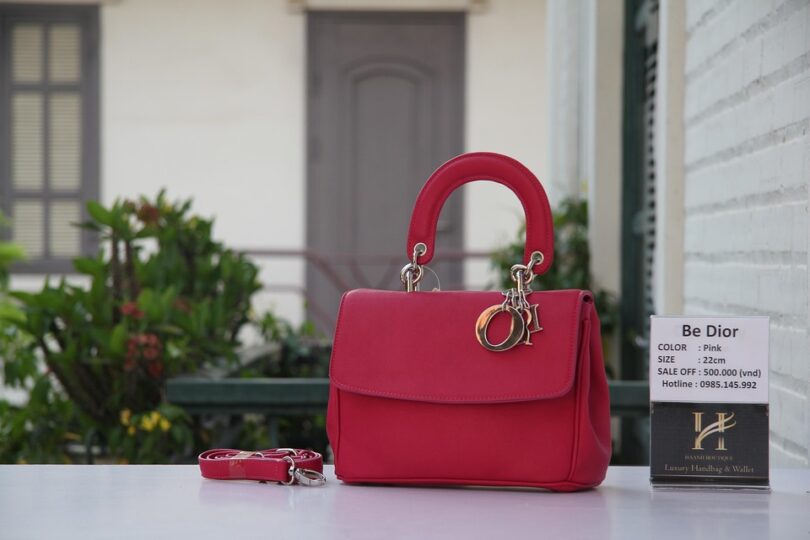
Accessories have always played an integral role in Dior’s design philosophy. The iconic Lady Dior bag, introduced in 1995, exemplifies the brand’s dedication to luxury and craftsmanship. Inspired by Princess Diana, this handbag not only serves as a fashionable accessory but also as a symbol of modern elegance. The marriage of practicality and aesthetic beauty in accessories reflects Dior’s holistic approach to design.
The Future of Dior
Looking forward, Dior’s design philosophy continues to adapt while remaining anchored in its historical roots. The brand’s commitment to sustainability and ethical fashion practices is a testament to its forward-thinking approach. Collaborations with artists, eco-friendly materials, and a focus on local craftsmanship indicate that Dior is not only concerned with fashion but also with the impact it has on society and the environment.
Conclusion
In conclusion, the evolution of Dior’s design philosophy illustrates a remarkable journey from the groundbreaking New Look to contemporary interpretations of elegance and femininity. By balancing tradition with modernity, Dior remains a leading force in the fashion world, championing luxury, craftsmanship, and empowerment. As the brand continues to evolve, its commitment to timeless elegance ensures that it will remain a beacon of style for generations to come.
FAQs
1. What is the “New Look” by Christian Dior?
The “New Look” refers to Dior’s revolutionary design introduced in 1947, characterized by accentuated femininity, with a fitted waist and voluminous skirts, marking a return to luxury after World War II.
2. Who are some notable creative directors for Dior?
Notable creative directors include Yves Saint Laurent, Gianfranco Ferré, John Galliano, Raf Simons, and Maria Grazia Chiuri, each of whom contributed their unique vision while honoring Dior’s legacy.
3. How does Dior incorporate sustainable practices?
Dior is focusing on sustainability through eco-friendly materials, ethical production methods, and collaborations with artists to promote social awareness, reflecting a commitment to responsible fashion.
4. What are some iconic Dior products?
Some iconic products include the Lady Dior handbag, Miss Dior fragrance, and the various haute couture collections that have made a significant impact on the fashion industry.
5. How does Dior define elegance today?
Dior defines elegance as a blend of timeless beauty, quality craftsmanship, and a reflection of contemporary values, emphasizing individuality and empowerment in fashion.